Vegetable tips best guide 18°C harvest boost
"To maximize the nutritional value of your autumn harvest, focus on how you select, store, and prepare each plant to ensure the vitamins remain intact."
To improve your autumn vegetable nutrient boost, you should prioritize seasonal freshness and adhere to specific storage temperatures to prevent spoilage. This guide focuses on selecting high-quality produce and using proper preservation methods to maintain nutrient density.
Key takeaways include following daily serving recommendations, utilizing freezing techniques for longevity, and understanding the impact of storage temperatures on vegetable quality.
How can I select the best fall vegetable choices?
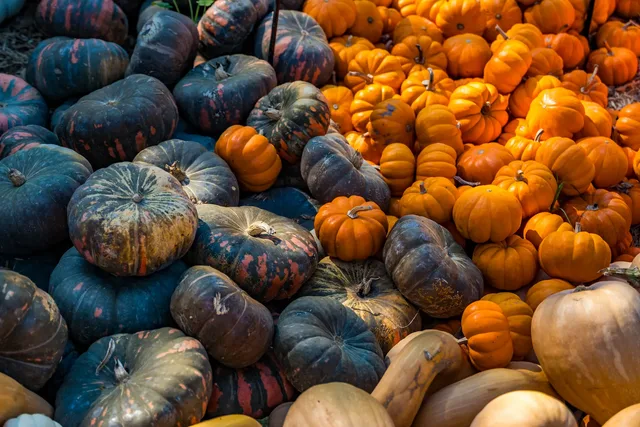
You walk through a local market, feeling the cool autumn air as you inspect a pile of vibrant, earthy root vegetables. Selecting the right produce starts with looking for firm textures and deep colors that indicate peak ripeness.
When choosing seasonal greens, look for leaves that are crisp rather than wilted, as freshness often correlates with higher nutrient retention.
Understanding the economic and behavioral influences on fruit and vegetable choices can help you navigate market options more effectively.
Look for heavy, firm produce with vibrant colors and intact skins to ensure freshness.
How can I eat more vegetables? Autumn vegetable nutrient boost
You sit at your kitchen table, surrounded by various colorful vegetables, wondering how to make them a consistent part of every meal. Improving your daily consumption requires both planning and accessibility.
Maximizing vegetable nutrition involves integrating different species into your diet, such as the sixty-one species of plants listed in the ISO 1991-1:1982 standard. To ensure you are meeting your goals, follow these steps:
- Plan meals around seasonal availability to ensure higher nutrient density. 2. Incorporate a variety of colors to cover different vitamin profiles. 3. Use vouchers or prescriptions if available through local community health strategies.
I found that prepping several types of vegetables on Sunday made it much easier to add them to my lunches throughout the week. Always check your pantry to ensure you have enough variety to meet the recommended daily servings.
Try these simple steps to increase your daily consumption: 1. Add a handful of leafy greens to your morning smoothie. 2. Mix chopped vegetables into your favorite soups or stews. 3. Replace processed snacks with raw veggie sticks and hummus.
How do I use cooking tips for better absorption?
You stand over a steaming pot, watching the colors of your vegetables change as they cook. The way you apply heat can significantly alter the final nutritional profile of your meal.
Cooking tips for better absorption often involve balancing heat exposure with the specific needs of the vegetable. While some nutrients are released through light steaming, others may be sensitive to prolonged boiling.
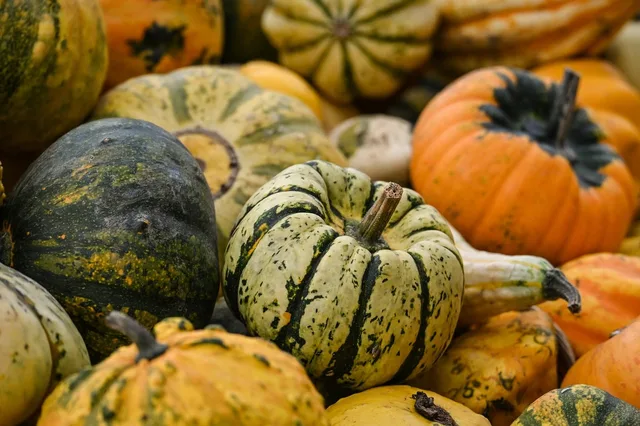
For example, certain vitamins are more stable when vegetables are lightly cooked rather than overprocessed.
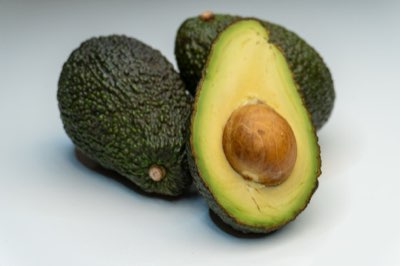
Pair fat-soluble vitamins in vegetables with a healthy source of fat, such as olive oil or avocado, to maximize nutrient uptake.
Can produce prescriptions improve my nutrition?
You hold a small slip of paper from your doctor, which serves as a guide for your next grocery trip. Using specific tools can make healthy eating more manageable. According to the CDC, there are strategies for fruit and vegetable voucher incentives and produce prescriptions.
Strategies for fruit and vegetable voucher incentives and produce prescriptions are designed to help individuals access fresh produce more easily. These programs aim to bridge the gap between nutritional knowledge and the actual ability to purchase high-quality seasonal items.
Implementing these strategies can be a vital component of a long-term healthy eating plan.
Check with your healthcare provider to see if you qualify for programs that provide vouchers for fresh fruits and vegetables.
What are the rules for maintaining vegetable quality?
You open your freezer, seeing the neatly packed bags of seasonal greens waiting to be used. Proper storage is essential to prevent the loss of nutrients over time. According to the Tropical Africa World Vegetable Center, post-harvest losses (vegetables) are a key consideration.
According to ISO 1991-1:1982, the standard lists the botanical names of sixty-one species of plants used as vegetables along with the common names of the vegetables in English, French, and Russian.
Maintaining the quality of your autumn harvest requires strict temperature control. If you are looking for ways of boosting nutrient uptake in fall foods, you must first ensure the food has not spoiled during storage.
| Storage Condition | Temperature Requirement | Duration |
|---|---|---|
| Short-term | Below −10 °C (14 °F) | Short period |
| Long-term | −18 °C (0 °F) | Longer-term |
I always make sure to check the thermometer in my freezer to ensure it stays at the correct level for long-term storage.
Keep vegetables in a cool, dark environment and avoid overcrowding them in storage containers.
What are the limitations of vegetable storage?
You notice a bag of frozen peas has developed ice crystals, suggesting a temperature fluctuation. Even with the best intentions, storage is not foolproof.
A limitation of preserving vegetables is that freezing only prevents spoilage for a certain period depending on the temperature maintained. If the temperature rises above −18 °C (0 °F), the quality and nutrient content may degrade more quickly during long-term storage.
Most fresh produce has a limited shelf life and will eventually lose moisture, texture, and nutritional density over time.
The subject here is Autumn vegetable nutrient boost.
The same subject is also called How to improve veggie intake.
The same subject is also called Selecting seasonal greens tips.
This part also covers Choosing vegetables for high value.
Related
- How does cooking affect spinach nutrient absorption?
- Fall vegetable nutrients: Guide to preserve harvest
How does preparation affect the nutritional value?
The method of preparation directly influences the final nutritional profile of the harvest. For instance, some vitamins are more susceptible to degradation when subjected to intense heat, which is a key caution when preparing vegetables.
Light steaming is mentioned as a technique that helps release certain nutrients while minimizing heat damage. This comparison highlights that not all cooking methods yield the same level of nutrient retention.
What conditions must be met for optimal nutrient maximization?
To truly maximize the nutritional value, a sequence of conditions must be satisfied throughout the entire food cycle. The initial selection of firm, deeply colored produce sets the stage for success.
Subsequently, adherence to precise temperature requirements during storage becomes a critical procedure. These steps ensure that the inherent goodness of the harvest is preserved through the preparation phase.
When comparing preparation techniques, one must consider the vegetable's specific needs; prolonged boiling is noted as a potential risk for certain sensitive nutrients. Therefore, the goal of maximizing nutritional value requires a holistic approach spanning selection, storage, and cooking.
This careful management allows the consumer to reap the full benefit of the autumn bounty.
FAQ
How many servings should I eat daily?
What temperature is needed for long-term storage?
Related posts
Carrot tips 9 why drying changes nutrient content

Broccoli nutrition and selection tips for autumn meals guide
How to boost vegetable nutrient uptake with cooking tips



Comments 0