Protein food guide: Why choose best 23.1 tips
"The safety of protein sources depends on the transparency of their origin and the integrity of their labeling."
* Prioritize whole legumes like peas over isolated concentrates. * Verify labeling accuracy to avoid mislabeled vegetable proteins. * Avoid products claiming impossible protein percentages. * Understand the risks associated with highly processed gluten and concentrates.
How can I choose a reliable Autumn protein food guide?
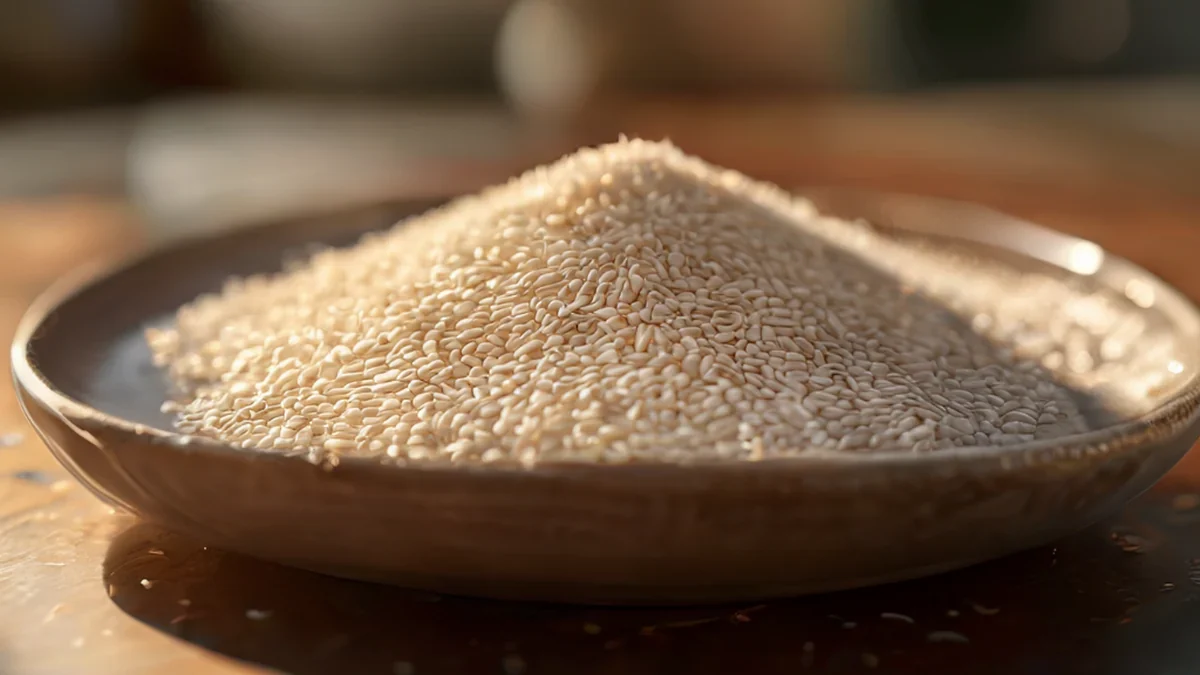
While strolling through the crisp morning market, you run your fingers over the rough skins of dried legumes to find the perfect protein source for your guide.
Walking through a crisp farmer's market in October, you pick up a heavy bag of dried peas, feeling their smooth texture and smelling the earthy scent.
Choosing whole foods is the most effective way to implement an Autumn protein food guide because whole ingredients are less likely to have undergone the intensive processing where additives are introduced.
Relying on whole plants minimizes exposure to these concentrated additives.
While pea seeds naturally contain 23.1–30.9% protein, processed concentrates can be manipulated.
- Look for whole food ingredients. 2. Check for seasonal availability. 3. Verify nutritional transparency.
What are the risks of using Fall protein selection methods based on powders?
As you stir a fine powder into a morning smoothie, a bitter taste lingers on your tongue, making you question your Fall protein selection methods.
Mixing a scoop of white powder into a morning smoothie, you notice how easily it dissolves, yet you wonder about its true origin. A common mistake in Fall protein selection is relying solely on highly processed powders without checking for ingredient integrity.
According to the Food and Drug Administration, in autumn 2008, the Food and Drug Administration detected traces of melamine in one top-selling brand of infant formula and traces of cyanuric acid in another brand.
The risk lies in the potential for contamination or mislabeling during the extraction process. In historical cases, FDA officials revealed that certain vegetable proteins were not only contaminated but also mislabeled.
When you choose powders, you are choosing a product that has been stripped of its natural structure, making it harder to verify its purity.
I find that the second step is the longest.
Why should I be careful with Autumn nutrient foods in concentrated forms?
Setting a bowl of steamed legumes on a wooden table, you enjoy the natural colors of the autumn harvest. Using Autumn nutrient foods in their natural state is safer than using extracts that might contain hidden substances.
Concentrated proteins can sometimes be used to artificially inflate nutritional claims. For example, some products marketed as protein for livestock or poultry claim a crude protein content of 160–300%, which is biologically impossible.
Always check that the protein content listed on the package aligns with the natural composition of the source plant.
How do I implement a High protein fall diet safely?
Preparing a hearty stew in a cast-iron pot, you chop fresh vegetables and add dried beans to the simmering liquid. To build a High protein fall diet, follow these steps to ensure your ingredients are genuine.
- Select whole, intact seeds or legumes, such as peas, which naturally contain 60-65% carbohydrates and specific protein structures like albumins and globulins. 2. Inspect packaging for realistic protein percentages; avoid any product claiming protein levels that exceed 100%. 3. Check for reputable sourcing to ensure the product has not been subject to the mislabeling issues seen in various vegetable protein recalls.
I compared the label of a processed rice protein concentrate with a bag of whole peas to see the difference in transparency.
What is the best way to handle Autumn protein storage tips?
Placing glass jars of dried beans into a cool, dark pantry, you ensure they stay fresh for the coming months. Effective Autumn protein storage tips involve keeping whole ingredients in airtight containers to prevent moisture buildup.
Storing whole foods is generally safer than storing concentrated powders, as powders can absorb environmental contaminants more easily. Keeping your pantry organized helps you track the freshness of your whole-food protein sources.
Can I compare different protein sources?
Laying out various ingredients on a kitchen counter, you weigh a handful of peas against a spoonful of concentrated powder. Comparing different protein sources helps you understand the density and safety of what you consume.
| Ingredient Type | Natural Protein Content |
|---|---|
| Whole Peas | 23.1–30.9% |
| Concentrated Extracts | Variable/Potentially Mislabeled |
- To select high-quality protein during the autumn season, focus on whole, minimally processed ingredients rather than highly concentrated extracts that may carry risks of mislabeling or adulteration.
- This guide is for health-conscious consumers looking to avoid industrial contaminants in plant-based concentrates.
- You should prioritize recognizable whole foods, avoid products with suspicious protein density claims, and be aware that concentrated powders can sometimes be subject to intentional adulteration.
Related
- Protein foods guide 160 best muscle health tips
- Fall nutrient foods: Guide to fiber-rich autumn meals
What conditions indicate poor protein safety?
- If the ingredient label suggests protein percentages that defy biological possibility, the protein safety is questionable. 2. When the product is a highly concentrated extract, the risk of mislabeling or adulteration increases significantly. 3. If the source material is not a recognizable whole food, the consumer must exercise extra caution regarding protein integrity.
The FDA has documented instances where specific vegetable proteins showed evidence of contamination alongside mislabeling, which highlights a critical condition for poor protein safety.
Consumers should treat any product lacking complete labeling transparency as a potential risk to their protein intake.
How does processing affect protein quality?
Processing strips the natural structure from the protein source, which makes verifying its purity more difficult. Concentrates are inherently more susceptible to the issues of adulteration that have been observed in various protein recalls.
When comparing a whole pea to a processed powder, the difference in transparency regarding the protein origin becomes apparent. The removal of natural structure in powders compromises the straightforward assessment of the protein's initial safety.
The selection of whole foods inherently mitigates some of the risks associated with industrial processing, offering a more reliable baseline for protein quality. This preference for whole ingredients is a direct response to the documented vulnerabilities of concentrated protein forms.


Comments 0