Autumn grain selection guide: How to find quality grains
"The definition of what constitutes a whole grain remains a point of significant discussion among nutritionists."
Selecting the right grains during the harvest season requires navigating complex labeling and nutritional standards. This guide explores how to identify high-quality grains, understands the importance of fiber, and addresses the complexities of modern crop varieties.
You will learn how to distinguish between whole and processed products, the benefits of specific fiber ranges, and the reality of current agricultural standards.
How do we define a whole grain?
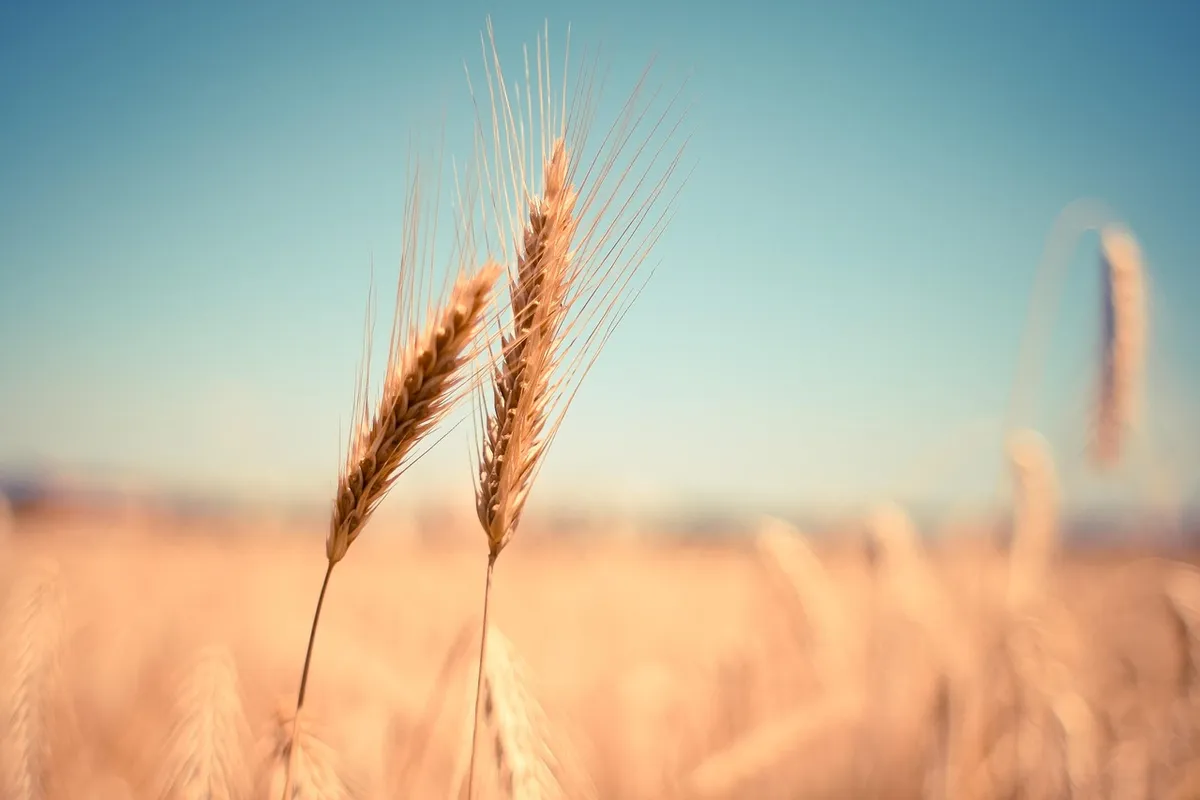
A person stands in a grocery aisle, squinting at a package of multigrain bread to see if it truly meets the standard. While there appears to be increasing consensus for defining a whole grain, significant disparity exists in defining a whole grain food when a product is not 100% whole grain.
This distinction is vital for those seeking an autumn grain selection guide that priorits true nutritional density.
The labeling of grain products can be deceptive when they are blends rather than pure single-grain items. According to Nutrition reviews (2020), significant disparity exists in defining a whole grain food when a product is not 100% whole grain.
This means a product might contain some whole grain components but still be processed in ways that alter its nutritional profile.
The complexity of these definitions makes choosing healthy options difficult. When a product is not 100% whole grain, the nutritional value may shift significantly compared to pure versions. Understanding these nuances is the first step in choosing the best grains for fall.
What is the ideal fiber intake? Autumn grain selection guide
During a quiet autumn morning in the kitchen, I run my fingers through the coarse texture of the grain.
A cook measures out a scoop of coarse-ground grain, considering the texture and the health benefits it provides. Risk reduction associated with a range of critical outcomes was greatest when daily intake of dietary fibre was between 25 g and 29 g.
According to the Lancet (London, England), risk reduction associated with a range of critical outcomes was greatest when daily intake of dietary fibre was between 25 g and 29 g.
Maintaining this specific range can be a cornerstone of a healthy diet.
The relationship between fiber and health is a primary reason to prioritize whole foods. According to the Lancet (2019), risk reduction associated with a range of critical outcomes was greatest when daily intake of dietary fibre was between 25 g and 29 g.
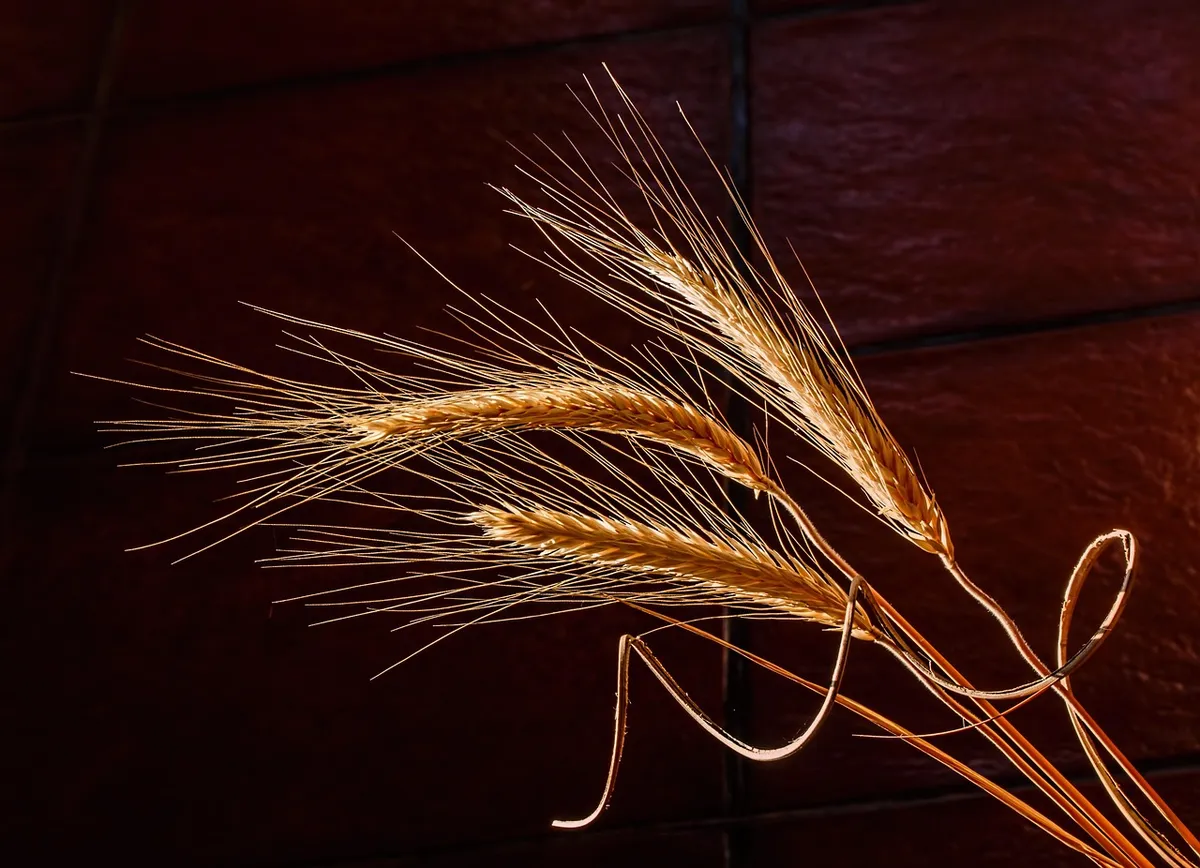
This suggests that meeting this target can offer significant health advantages.
Finding the right balance is essential for dietary success. Choosing autumn grains that help reach this 25 g to 29 g window is a practical way to manage nutrition.
How can we evaluate grain purity?
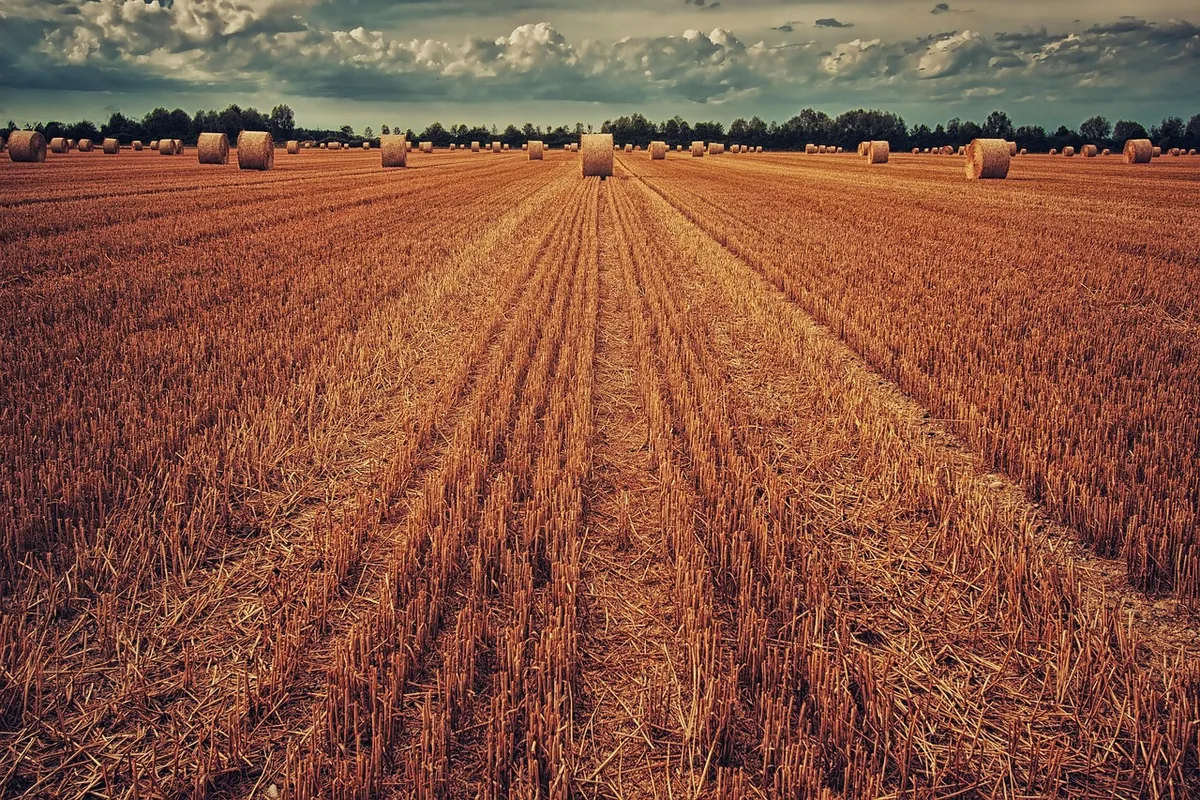
A farmer examines a field of golden crops, looking for consistency and quality in the harvest. Researchers often look at large datasets to understand how different grain types impact long-term health.
According to The American journal of clinical nutrition, this edition of the tables lists over 4000 items, which represents a 61% increase in the number of entries compared to the 2008 edition.
This process of evaluation involves looking at various studies to find patterns in how grain consumption affects the body.
The search for scientific truth often involves looking at multiple databases to find reliable risk estimates.
For example, PubMed, Web of Science, and the Cochrane Database of Systematic Reviews were searched for meta-analyses that provided risk estimates for associations between intakes of whole and refined grains and risk of total and site-specific cancer.
This type of research helps clarify the impact of grain types.
Understanding these scientific methods helps clarify the value of grain nutrition tips. Using data-driven insights allows for better decision-making regarding grain quality.
What are the characteristics of canola seeds?
A worker pours a heavy stream of seeds into a hopper, watching the texture of the harvest. Understanding the composition of common crops like canola helps in understanding the raw materials used in many food products. This knowledge is essential for those interested in grain cooking methods.
The physical makeup of a seed determines how much oil can be extracted from it. About 44% of a seed is oil, with the remainder as a canola meal used for animal feed. This division shows how the seed is utilized in both human food and animal nutrition.

The volume of oil produced is also a key factor in processing. About 23 kg (51 lb) of canola seed makes 10 L (2.64 US gal) of canola oil. This conversion rate is a standard metric for understanding crop yields.
What is the nutritional profile of canola oil?
A chef pours a golden liquid from a bottle into a warm pan, the aroma filling the kitchen. When using oils derived from grains or seeds, understanding the fat composition is vital for healthy cooking. This falls under the umbrella of optimal grain cooking.
The fat composition of canola oil is primarily composed of monounsaturated and polyunsaturated fats. Canola oil is 100% fat, composed of 63% monounsaturated fat, 28% polyunsaturated fat, and 7% saturated fat. This profile makes it a versatile option for various culinary needs.
Energy and vitamin content are also important considerations for daily use. A 100 g (3.5 oz) reference amount of canola oil provides 880 calories of food energy and is a rich source of vitamin E (117% of the Daily Value, DV) and vitamin K (59% DV).
| Component | Percentage |
|---|---|
| Monounsaturated Fat | 63% |
| Polyunsaturated Fat | 28% |
| Saturated Fat | 7% |
I found that checking these percentages helped me better understand the fats I was using in my own kitchen.
How do modern agricultural practices affect grain?
A researcher looks through a microscope at a plant sample, checking for genetic traits. Modern agriculture has changed the landscape of grain production, affecting what we find in stores. This reality is part of the grain quality matters discussion.
In the past, genetic traits were less common in commercial crops. However, historical data shows a shift toward specific traits in certain regions. For instance, in 2005, 87% of the canola grown in the US was genetically modified.
These changes can affect the availability and type of grains in the market. It is important to be aware of these statistics when selecting products.
A limitation of this discussion is that the presence of specific traits in wild plants, such as the 80% found in a 2010 North Dakota study, does not necessarily dictate the quality of all commercial grain products.
Nutrients (2020) Based on the retained excerpt mentioning Nutrients: PubMed, Web of Science, and the Cochrane Database of Systematic Reviews were searched for meta-analyses that provided risk estimates (±95% confidence intervals) for associations between intakes of whole and refined grains and risk of total and site-specific cancer.
- How do we define a whole grain?
- What is the ideal fiber intake?
- How can we evaluate grain purity?
This part also covers Fall ingredient pairing.
Grain quality matters
Related



Comments 0