Fiber 35: Guide why grain nutrients matter
"Barley-based cereals with high fiber content, particularly β-glucan, may provide superior metabolic and satiety benefits compared to corn-based alternatives."
Understanding grain nutrient comparison requires looking at fiber content, protein quality, and mineral bioavailability. This guide explores how different grains provide distinct nutritional profiles, including the role of specific fibers and the balance of essential amino acids.
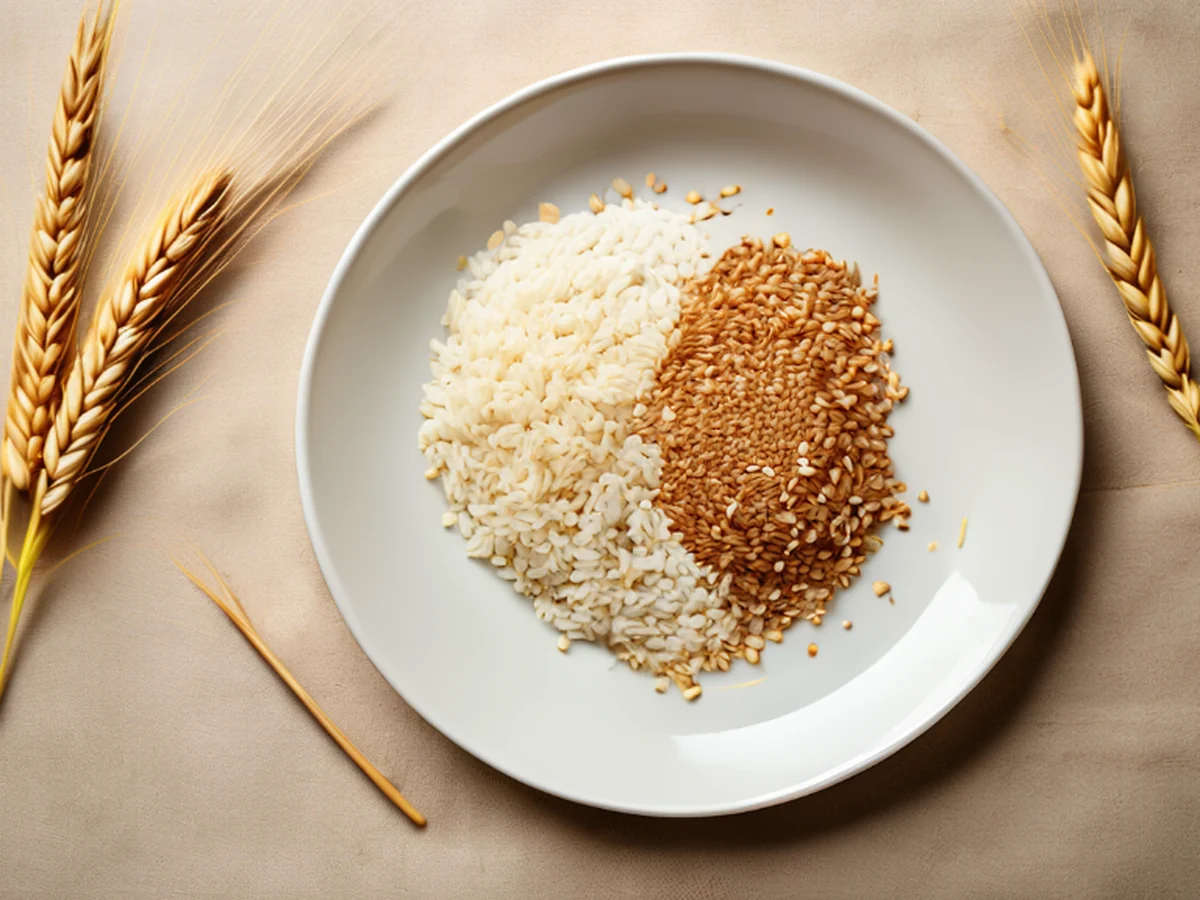
We will examine how to select grains based on satiety, mineral density, and caloric composition, while noting that protein quality in certain major cereals may be relatively low.
How does fiber content influence grain nutrient comparison?
A person stands in a grocery aisle, comparing the texture of various cereal grains. Selecting the right grain often starts with the fiber content, which plays a crucial role in satiety and metabolic health.
According to Nutrients (2025), barley-based cereals with high fiber content, particularly β-glucan, may provide superior metabolic and satiety benefits compared to corn-based alternatives. This specific type of fiber can influence how the body processes energy and manages hunger.
Choosing grains with higher fiber levels can be a strategic move for those managing energy levels throughout the day.
However, the presence of high fiber does not always guarantee a superior micronutrient density in every grain variety.
How do grain proteins and carbs relate in my diet?
Late at night in the kitchen, I stare at the bowl of grain while contemplating the fiber and protein balance. An individual weighs different grain samples on a digital scale to calculate energy density. Understanding the grain protein carb balance is essential for managing caloric intake and nutritional completeness.
According to the Journal of feline medicine and surgery, the reported carbohydrate content of the grain-free diets (n = 35) was lower than the grain-containing diets (n = 41; 64 ± 16 vs 86 ± 22 g/1000 kcal; P <0.001).
In certain dietary studies, the carbohydrate content varied significantly based on the presence of grains.
This illustrates how grain inclusion directly affects the carbohydrate load of a meal.
When evaluating a grain-based diet, one must consider that wheat, for example, is a leading source of vegetable proteins in human food.
It has a protein content of about 13%, which is relatively high compared to other major cereals but relatively low in protein quality regarding the supply of essential amino acids.
This grain protein carb ratio means that while caloric density is manageable, protein quality should be supplemented with other sources.

This section's second point provides the most detailed explanation of the relationship.
How can we evaluate a grain vitamin mineral profile?
A researcher examines a sample of wild wheat under a microscope to check for mineral distribution. Identifying the specific mineral density is key to understanding a grain's micronutrient value.
Wild wheat varieties often contain significant mineral concentrations. According to the Journal of the science of food and agriculture (2024), grain Fe and Zn concentrations in wild wheats were 72 mg/kg and 59 mg/kg, respectively.
The study also noted improved bioavailability indicated by Phytate:Fe and Phytate:Zn molar ratios (11.7 and 16.9, respectively) and GPC (231 g/kg -1). These figures show that mineral presence is not the only factor; how the body absorbs them matters.
In common wheat, a 100-gram reference amount provides 1,368 kilojoules (327 kilocalories) of food energy. It serves as a rich source of multiple dietary minerals, providing 20% or more of the Daily Value (DV) for manganese, phosphorus, magnesium, zinc, and iron.
Additionally, it contains B vitamins such as niacin (36% DV), thiamine (33% DV), and vitamin B6 (23% DV).
This evaluation may be limited when comparing processed grains to whole grain counterparts.
How do I choose the right whole grains? A cook carefully selects whole grain packages from a pantry to prepare a balanced meal. Selecting the right grain involves a systematic approach to ensure both energy and nutrient needs are met.
- Check the fiber-to-carbohydrate ratio to prioritize satiety. 2. Evaluate the protein quality and its ability to supply essential amino acids. 3. Verify the mineral density and bioavailability of the specific grain.
I once compared the nutrient density of different grain samples during a meal prep session to see how much satiety they provided. This systematic check ensures that the nutritional needs of the household are met effectively.
The selection process is not applicable to individuals with specific medical sensitivities, such as coeliac disease, which affects approximately 1% of the general population in developed countries, or non-coeliac gluten sensitivity.
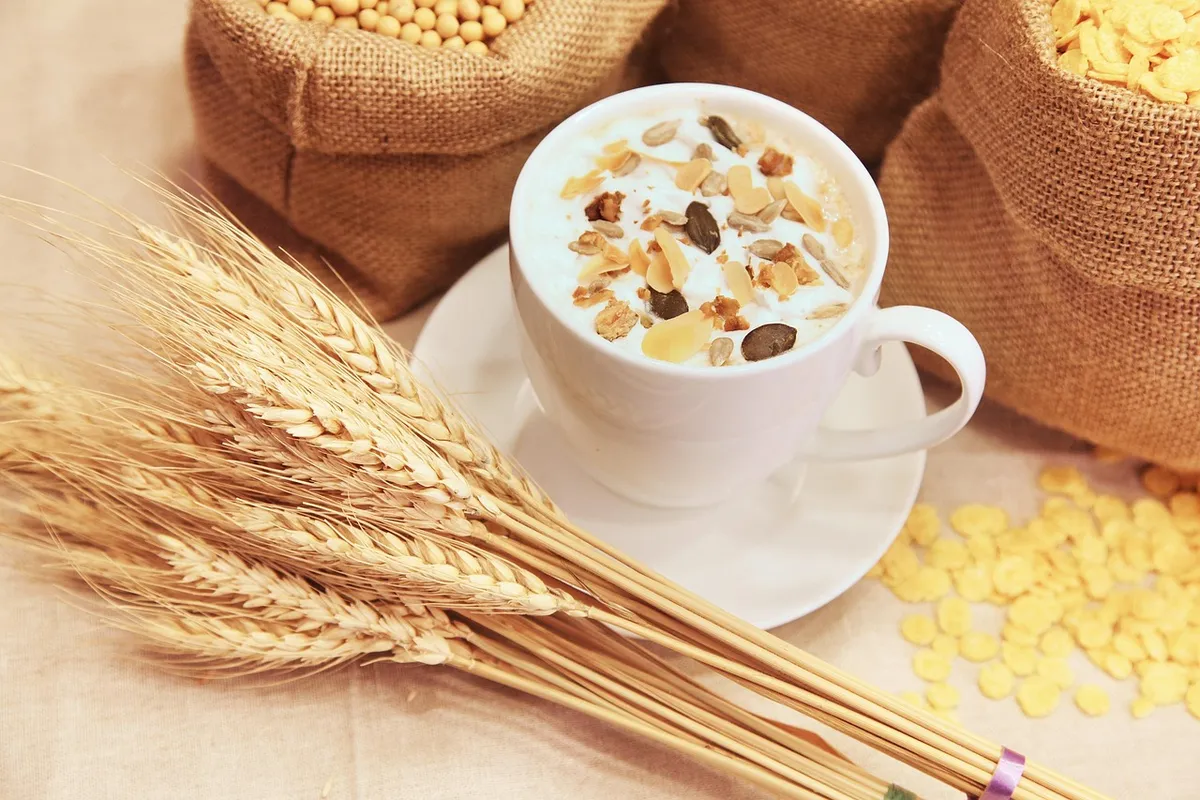
- Examine the ingredient list to identify whole grain components.
- Compare the fiber content across different brands.
- Check the label for added sugars or fats.
Summary of Grain Nutrient Profile
| Nutrient Category | Key Characteristic |
|---|---|
| Fiber Content | β-glucan in barley may offer superior satiety |
| Protein Content | Wheat provides approximately 13% protein |
The summary concludes with the most critical takeaways.
The same subject is also called Best grain to eat.
This part also covers Whole grain benefits.
This part also covers Grain absorption rate.
This part also covers Choosing whole grains.
Whole grain benefits
Related
- How does temperature affect meat quality and absorption?
- Open food facts nutrition: Guide to data integrity
When comparing grains, what is the role of bioavailability?
Bioavailability dictates how much of a mineral or vitamin the body can actually absorb from the grain. The molar ratios mentioned in the study suggest that the body’s uptake of minerals like iron and zinc differs between grains. This consideration is vital because high mineral presence alone does not guarantee adequate nutritional contribution.
Why is the protein quality important?
Protein quality refers to the amino acid profile of the grain, indicating if it supplies all essential amino acids in sufficient amounts. While wheat offers a substantial quantity of vegetable protein, its quality might necessitate pairing with other foods for a complete amino acid spectrum. This balance is crucial for optimal human nutrition.
Considerations for selecting the best grain to eat?
The selection process must integrate fiber benefits, protein quality, and mineral absorption potential. For instance, if satiety is the primary goal, barley-based cereals with high fiber, specifically β-glucan, show promise over corn-based options. However, a comprehensive view requires assessing the grain's overall micronutrient delivery system. This integrated approach ensures a well-rounded dietary choice.
Disclaimer: This article is general information, not medical advice. Consult a qualified healthcare professional before taking any supplement or medication.



Comments 0