How does cooking affect spinach nutrient absorption?
"The nutritional value of greens often changes the moment they hit the heat of a kitchen pan."
Understanding how cooking methods affect spinach nutrient absorption is essential for maximizing the health benefits of this leafy green. This guide explores how heat impacts mineral levels and vitamin content, providing a comparison of different preparation techniques.
Key takeaways include the effectiveness of boiling for reducing oxalates, the preservation of vitamins through specific methods, and the natural nutrient density of the plant.
How does cooking affect spinach nutrient absorption?
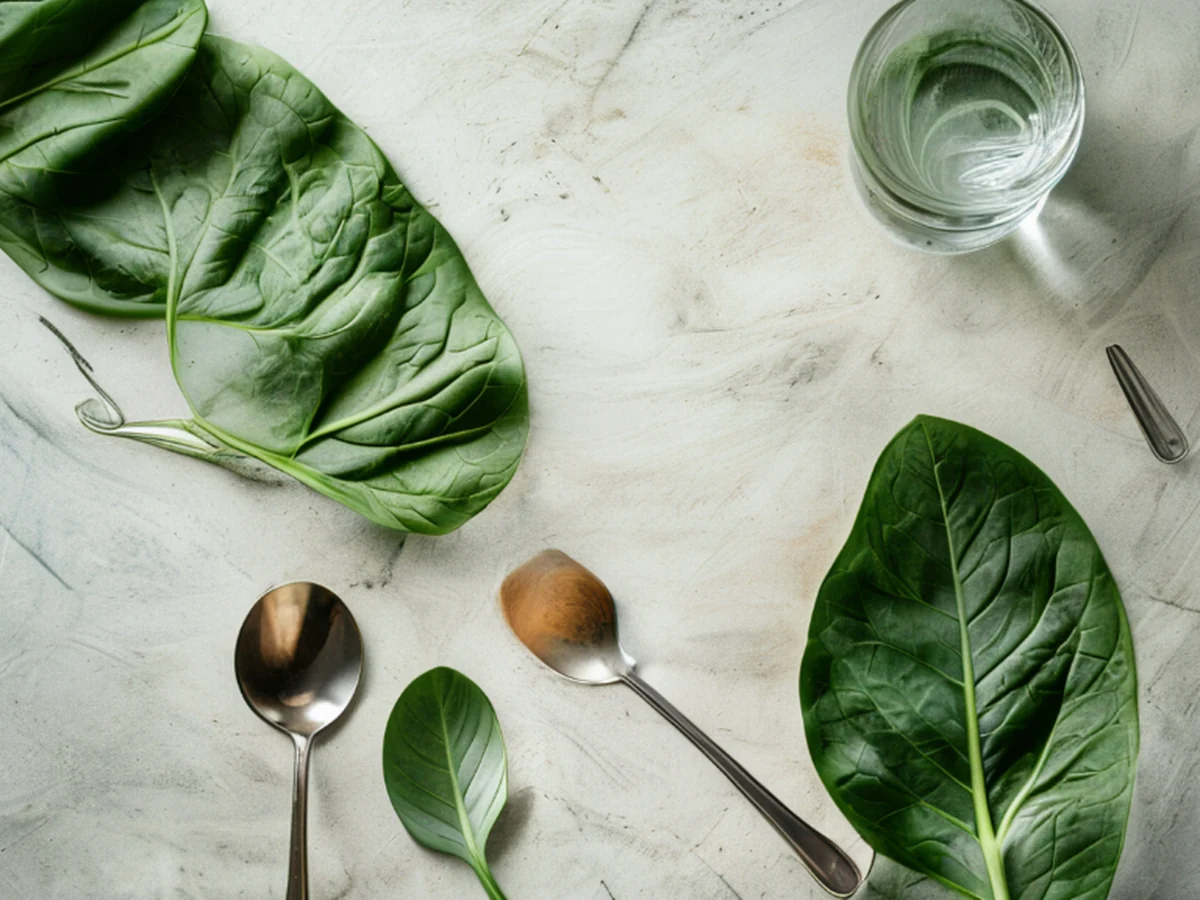
In the quiet kitchen at dusk, I watch the steam rise as the vibrant spinach wilts into a soft, dark mass in the pan.
A chef stands over a steaming pot, watching the vibrant green leaves wilt into a soft texture. The heat transfer from the water to the plant cells changes the chemical composition of the vegetable instantly.
The impact of heat on spinach nutrient absorption depends heavily on the chosen cooking method. While heat can break down tough cell walls to make minerals more available, it can also cause water-soluble vitamins to leach into the cooking liquid.
This reduction can influence how other minerals are absorbed by the body.
What vitamins am I actually getting from spinach? I grip a cold, damp bunch of spinach in my hands while standing in the bright morning light.
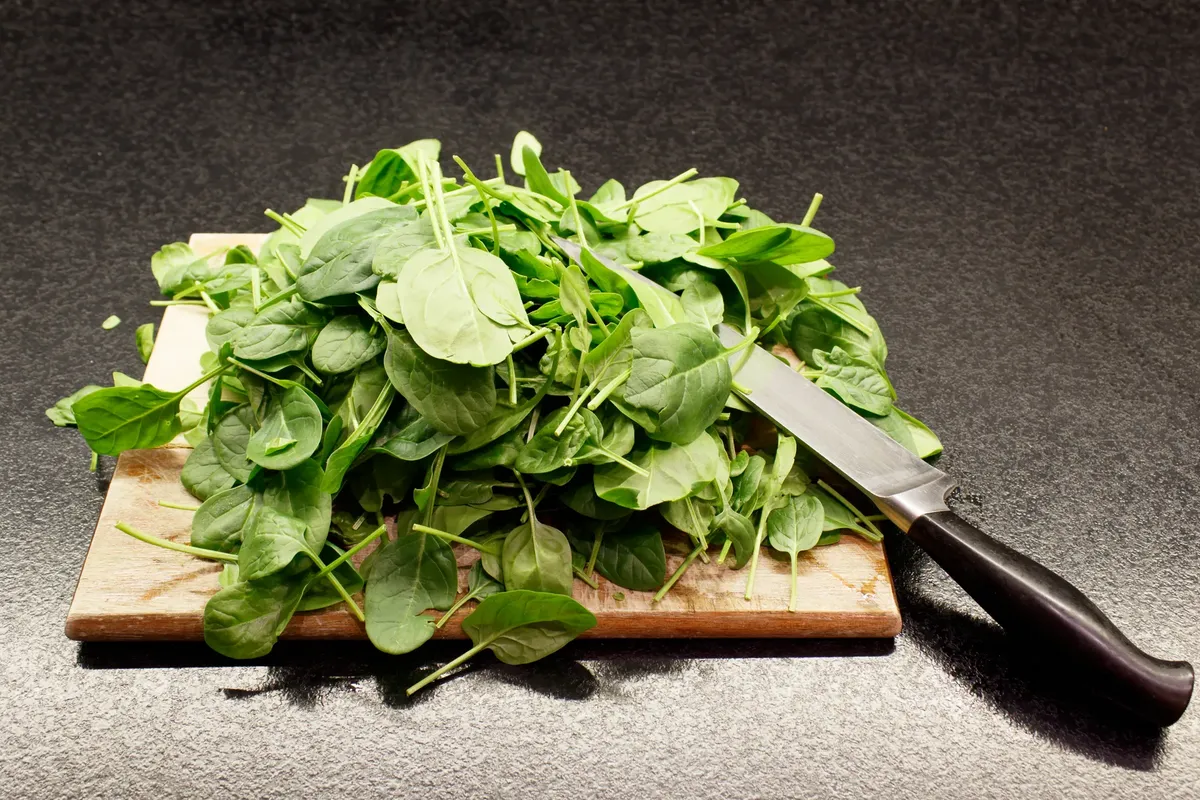
A person picks up a fresh, large leaf from a bunch, noting its deep pigment. The weight of the leaf feels substantial, signaling a high moisture and nutrient density.
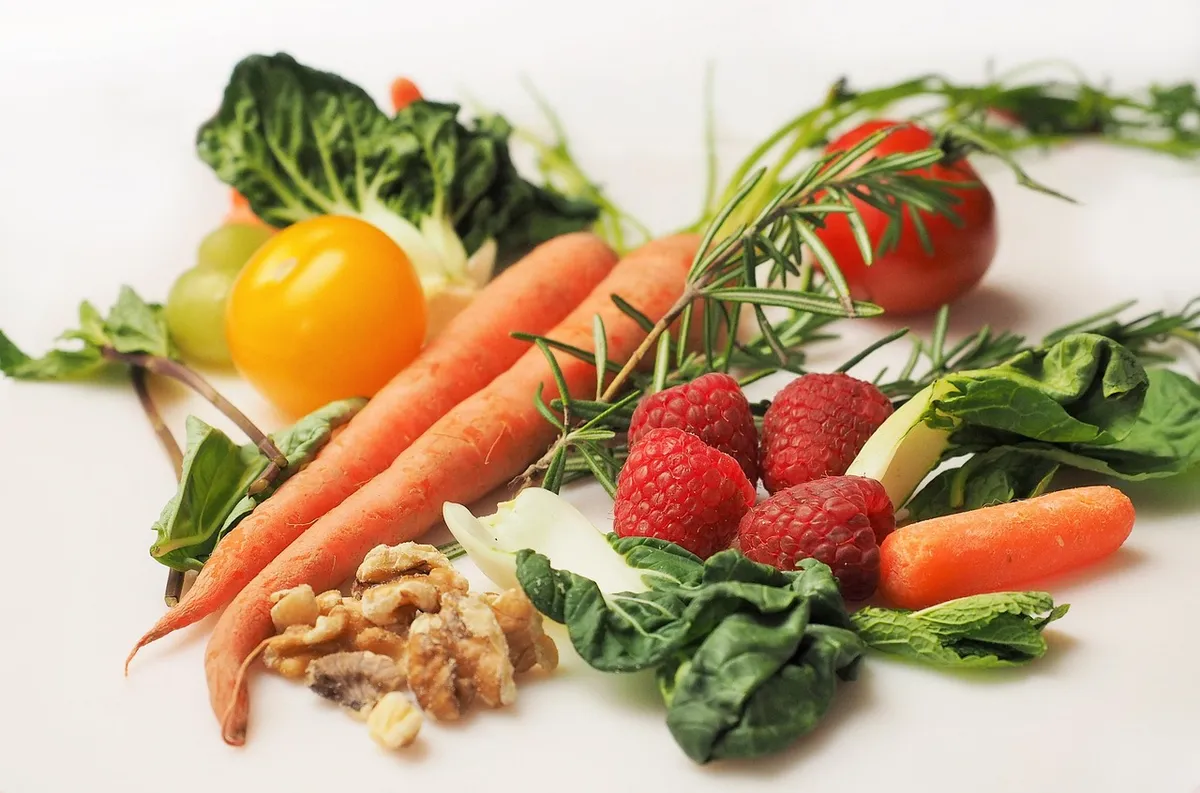
Spinach is a rich source of various essential nutrients, particularly when consumed in appropriate quantities. It provides 20% or more of the Daily Value (DV) of vitamin A, vitamin C, manganese, and folate (31-52% DV), with an especially high content of vitamin K (403% DV).
Additionally, it serves as a moderate source (10–19% of DV) of the B vitamins, riboflavin and vitamin B6, vitamin E, potassium, iron, and magnesium. These levels make it a powerhouse for dietary fiber as well.
How should I cook spinach to lower the oxalates? A cook carefully drains a pot of boiling water, knowing the process has altered the vegetable's chemical makeup. The goal is to minimize specific compounds while maintaining satiety. According to the USDA, news from January 30, 2017, discussed making spinach with low oxalate levels.
When the goal is to lower oxalates, boiling is the most effective technique compared to other heat applications.
Baking was noted to have no oxalate loss, as it was primarily used for potatoes.
| Method | Oxalate Reduction Range |
|---|---|
| Boiling | 30-87% |
| Steaming | 5-53% |
I noticed that when I use boiling methods, the water changes color significantly, which indicates the movement of soluble components.
How can we maintain nutrient retention during prep?
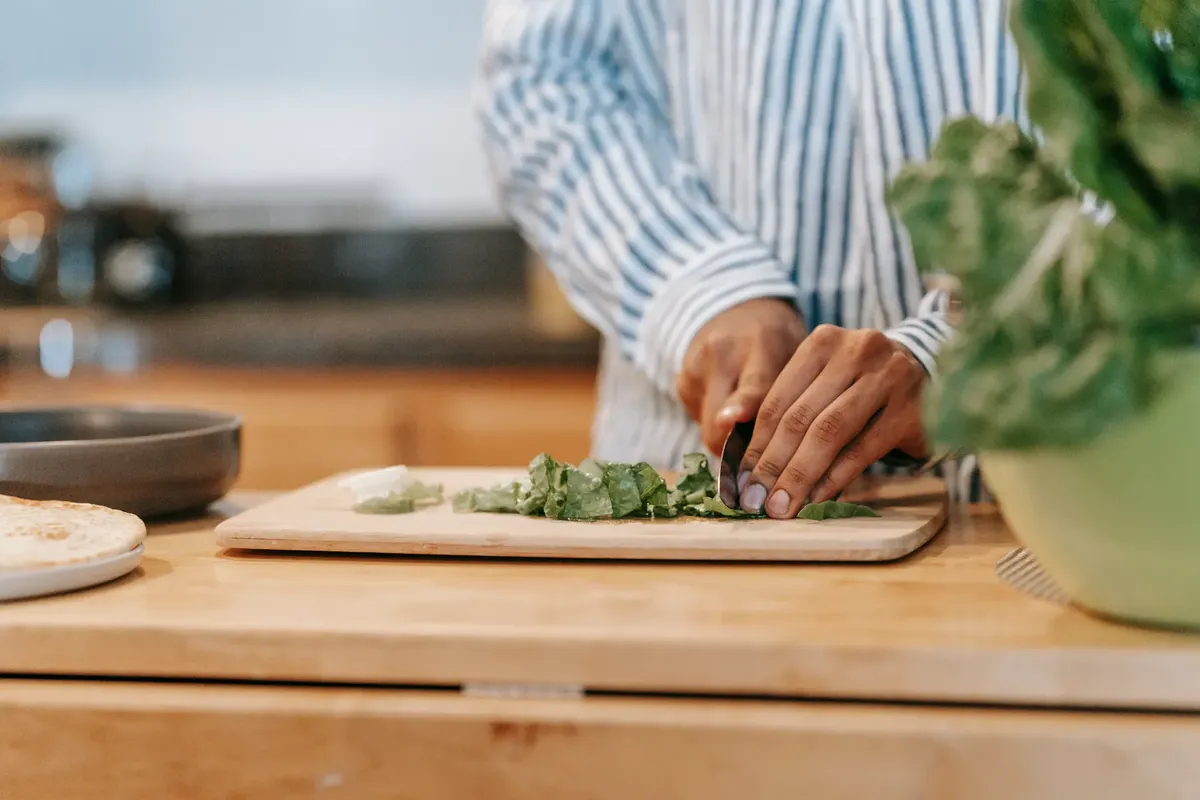
A person washes a pile of leaves under a cool stream, ensuring every surface is clean before the knife touches the cutting board. The leaves vary in size, some wide and some narrow.
To maximize spinach nutrient retention, one must balance the removal of anti-nutrients with the preservation of vitamins. Since much of the vitamin content is water-soluble, over-boiling can lead to significant losses in the cooking water.
Using methods like steaming can preserve more of the structure, though it leaves more oxalates behind.
- Select fresh leaves with high moisture content. 2. Choose a cooking method based on whether you want to reduce oxalates or preserve vitamins. 3. Use the cooking liquid for soups or sauces to recapture leached nutrients.
A final check of the vegetable's texture ensures it is cooked to the desired tenderness without becoming mushy.
What are the physical characteristics of the plant?
A gardener examines a small, 30 cm tall plant in the soil, noting the arrangement of the leaves. The plant is an annual, though it can occasionally be biennial.
The physical structure of the plant is quite variable. The leaves are alternate, simple, ovate to triangular, and very variable in size: 2–30 cm (1–12 in) long and 1–15 cm (1⁄2–6 in) broad.
Larger leaves typically grow at the base of the plant, while smaller leaves appear higher on the flowering stem.
The flowers are inconspicuous, yellow-green, 3–4 mm (1⁄8–5⁄32 in) in diameter, and mature into a small, hard, dry, lumpy fruit cluster 5–10 mm (1⁄4–3⁄8 in) across containing several seeds.
Is the nutrient content consistent across varieties?
A researcher looks through a microscope at different plant samples, comparing the mineral concentrations of various strains. The diversity of the species is evident in the lab.
Research indicates that different varieties can have significantly different mineral profiles.
This shows that the specific variety selected can change the baseline nutritional value.
- How does cooking affect spinach nutrient absorption?
- What vitamins am I actually getting from spinach?
- How should I cook spinach to lower the oxalates?
The same subject is also called spinach vitamin content.
The same subject is also called spinach mineral levels.
The same subject is also called cooking spinach nutrition.
The same subject is also called spinach health benefits.
This part also covers best way to cook spinach.
Related
- Fall vegetable nutrients: Guide to preserve harvest
- Bibimbap nutrition analysis: Why fiber is important now
How does the preparation method affect the nutritional value?
The preparation method dictates the final nutritional value achieved in the cooked spinach. Different cooking processes lead to varying degrees of nutrient retention or loss.
Therefore, selecting the correct technique aligns the preparation with the desired outcome, whether that is maximizing mineral availability or preserving delicate vitamins.
The initial nutritional value of the raw plant differs from its cooked state due to chemical reactions initiated by heat. The physical characteristics of the leaves, such as their cell wall density, influence how much nutrient is retained during cooking.
This physical structure determines the efficiency of heat transfer into the plant tissue.
If the goal is to maximize the absorption of minerals, boiling presents a pathway to enhance availability by breaking down tough cell structures.
Conversely, if the primary concern is retaining water-soluble vitamins, a gentler heat application becomes necessary to minimize leaching into the cooking medium.



Comments 0