Why Salmon Excels: Understanding Long-Chain Omega-3 Benefits
"Healthy fats aren't just fuel; they are the structural building blocks of our very cells."
Understanding why salmon is a nutritional powerhouse requires looking past the general label of "healthy" and peering into the molecular reality of its fats.
Key Takeaways
* EPA and DHA are the biologically active, long-chain omega-3s that provide the most direct health benefits. * The human body is highly inefficient at converting plant-based ALA into these essential long-chain forms. * Optimal health involves balancing these fatty acids to manage inflammation and support cellular structure.

Why is salmon so potent with its omega-3s?
I remember standing in a seafood market in Seattle back in 2024, looking at a vibrant, deep-orange fillet of wild-caught salmon. It looked incredibly rich, but I wondered if that richness was just fat, or if there was a specific biological reason for that heavy, oily texture.
The secret lies in the distinction between short-chain and long-chain fatty acids. Most plant sources, like flaxseeds or chia seeds, provide Alpha-linolenic acid (ALA). While ALA is an essential fatty acid, it acts primarily as a precursor.
Humans can convert short-chain omega-3 fatty acids to long-chain forms, such as EPA and DHA, but this process is quite limited. Specifically, the efficiency of converting ALA into these long-chain forms is documented to be below 5%.
This bottleneck is why eating salmon is fundamentally different from eating a spoonful of flaxseed oil.
While plant oils can vary wildly—for instance, some seed oils might contain 15% ALA and 8% DHA, while others show entirely different ratios—the direct delivery of EPA and DHA in fish is much more efficient for the body.
If you rely solely on plant sources, you are essentially hoping your body can perform a high-speed conversion that often fails to meet your physiological needs.
But if these fats are so efficient, how do they actually interact with our microscopic biology?
🧠 How Do EPA and DHA Work in the Body? Mechanisms of Action
A quiet afternoon in a research lab often reveals how microscopic molecules dictate macroscopic health. Imagine a cell membrane, a thin, flexible wall that must remain fluid to function; that is where these fats live.
According to EPA, humans can convert short-chain omega−3 fatty acids to long-chain forms (EPA, DHA) with an efficiency below 5%.
EPA (Eicosapentaenoic acid) and DHA (Docosahexaenoic acid) serve distinct but complementary roles. EPA is heavily involved in signaling pathways, particularly in modulating inflammatory responses.
Research has shown that certain oils, such as krill oil which contains a specific ratio of EPA and DHA, can have effects on blood lipid levels and markers of inflammation in healthy humans that are similar to traditional fish oil.
DHA, on the other hand, is a structural component. It is highly concentrated in the brain and the retina of the eye. Because the brain is largely composed of fats, the DHA you consume helps maintain the integrity of neuronal membranes.
When these fatty acids are present in sufficient quantities, they help regulate how cells communicate and how the body responds to systemic stress. This makes them much more than just "energy"; they are functional tools for cellular signaling and structural stability.
With these roles understood, the next logical question is determining how much we actually need to consume.
⚖️ Optimal Intake: How Much is Enough?
I once sat through a long seminar in 2025 where a nutritionist tried to explain that "more is always better" when it comes to supplements. It felt intuitive, but looking at the data, that isn't necessarily the case.
Determining an optimal dose requires looking at the Acceptable Macronutrient Distribution Ranges (AMDR). While general caloric intake is divided into carbohydrates, proteins, and fats, the specific breakdown of those fats matters.
It is noted that approximately 10 percent of the AMDR may be consumed as EPA and/or DHA.
Because the body's needs vary based on age, activity level, and existing health status, there is no "one size fits all" number. However, understanding that these fatty acids are part of a larger dietary framework is crucial.
While high-dose studies often use specific concentrations to show efficacy in clinical settings, daily dietary intake should focus on consistent, high-quality sources to maintain steady-state levels in the blood and tissues.
But as we look at the global market and various dietary options, we must consider where else these nutrients come from and how they compare.
Where else can I find these fatty acids?
Walking through a grocery store in mid-2026, you see everything from bottled oils to frozen fillets, each promising a different level of health. It is easy to get lost in the sea of choices.
According to the Commission, current annual catches of krill represent approximately 0.3% of the unexploited biomass.
While salmon is a gold standard, other marine sources offer different profiles. Krill oil, for example, is a common alternative, though its impact on the global ecosystem is carefully managed.
The Commission for the Conservation of Antarctic Marine Living Resources sets catch limits, with current annual catches being around 0.3% of the unexploited biomass of krill, highlighting the importance of sustainable sourcing.
You might also encounter specialized oils, such as certain bioengineered canola oils designed to produce DHA in the seeds. These oils can contain 10% DHA, providing a different way to access these nutrients.
When looking at any source, remember that the goal is to replace less healthy fats with these high-quality, long-chain fatty acids to maintain a proper lipid profile.
Even with the best sources, the quality of the product can make or break the benefits.
🛡️ Safety & Quality Control: Maximizing Nutrient Absorption
I remember opening a bottle of fish oil that had been sitting in a warm kitchen for too long; the smell was sharp, fishy, and overwhelming. That was a clear sign of oxidation.
The primary enemy of omega-3s is oxidation. Because these fats are polyunsaturated, they are chemically unstable and can break and break down when exposed to heat, light, or oxygen. When fats oxidize, they lose their nutritional value and can produce harmful compounds.
To maximize absorption and benefit, always look for freshness.
To keep your omega-3 levels stable, follow these practical steps:
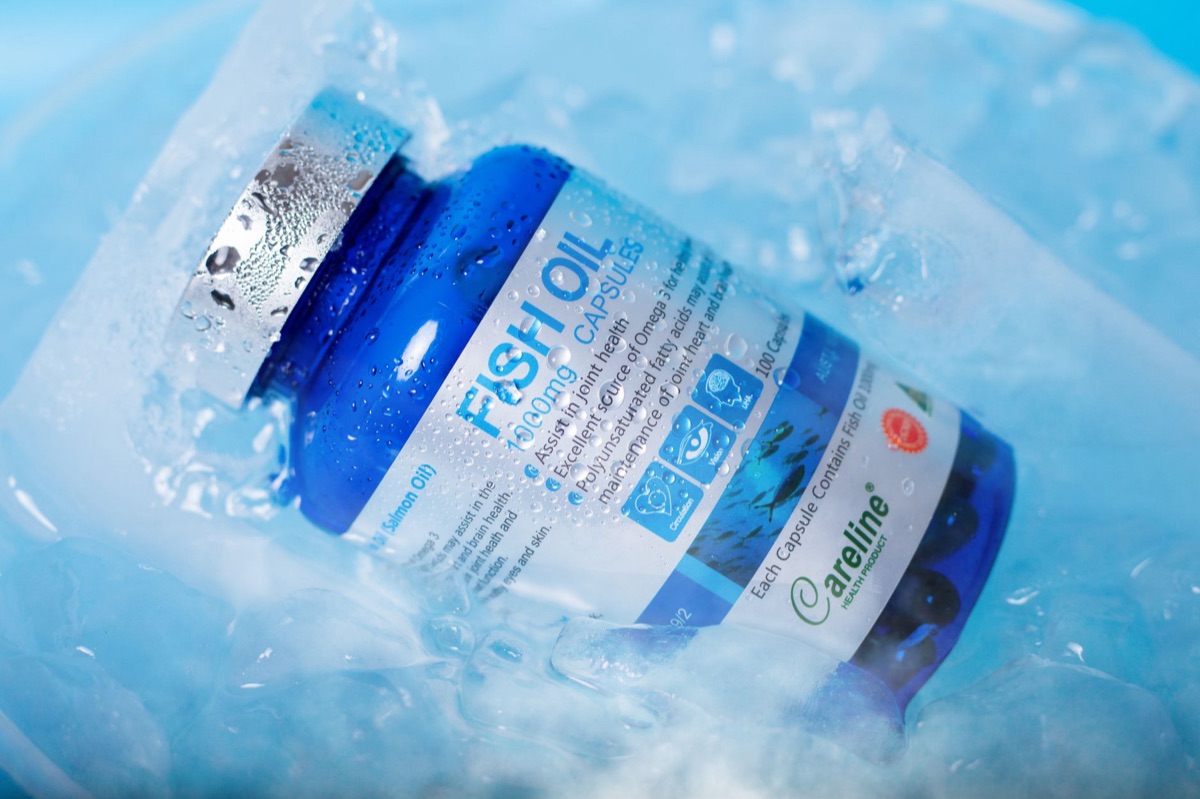
- Store properly: Keep fish oils in a cool, dark place, ideally in the refrigerator, to prevent rancidity.
- Check for freshness: If a supplement or oil has a strong, unpleasant "off" smell, it has likely oxidized.
- Pair with antioxidants: Consuming foods rich in Vitamin E or other antioxidants can help protect these delicate fats from oxidative damage.
- Prioritize whole foods: While supplements are convenient, the complex matrix of nutrients in a piece of salmon provides a more stable delivery of fats than highly processed oils.
| Nutrient Type | Primary Role | Primary Source Example |
|---|---|---|
| EPA | Inflammation modulation | Fatty fish / Krill |
| DHA | Brain and eye structure | Salmon / Algae |
| ALA | Essential precursor | Flaxseed / Chia |
#





Comments 0