Brown vs White Rice: Nutrient Value After Milling Process
"The difference between a bowl of white rice and a bowl of brown rice is essentially the difference between a grain and a complete nutritional package."
Choosing between white and brown rice often comes down to texture and taste, but the real story lies in the milling process. When a grain is polished, it loses the very layers that hold its most vital nutrients.
Key Takeaways
* Bran and Germ Retention: Brown rice keeps the bran and germ layers, which house the majority of the grain's vitamins and minerals. * Mineral Density: Brown rice is a superior source of manganese and magnesium compared to white rice. * Processing Impact: The whitening process removes the nutrient-dense outer layers, leaving primarily the starchy endosperm. * Fiber and Protein: Whole grains provide significantly higher dietary fiber and slightly higher protein levels per serving.
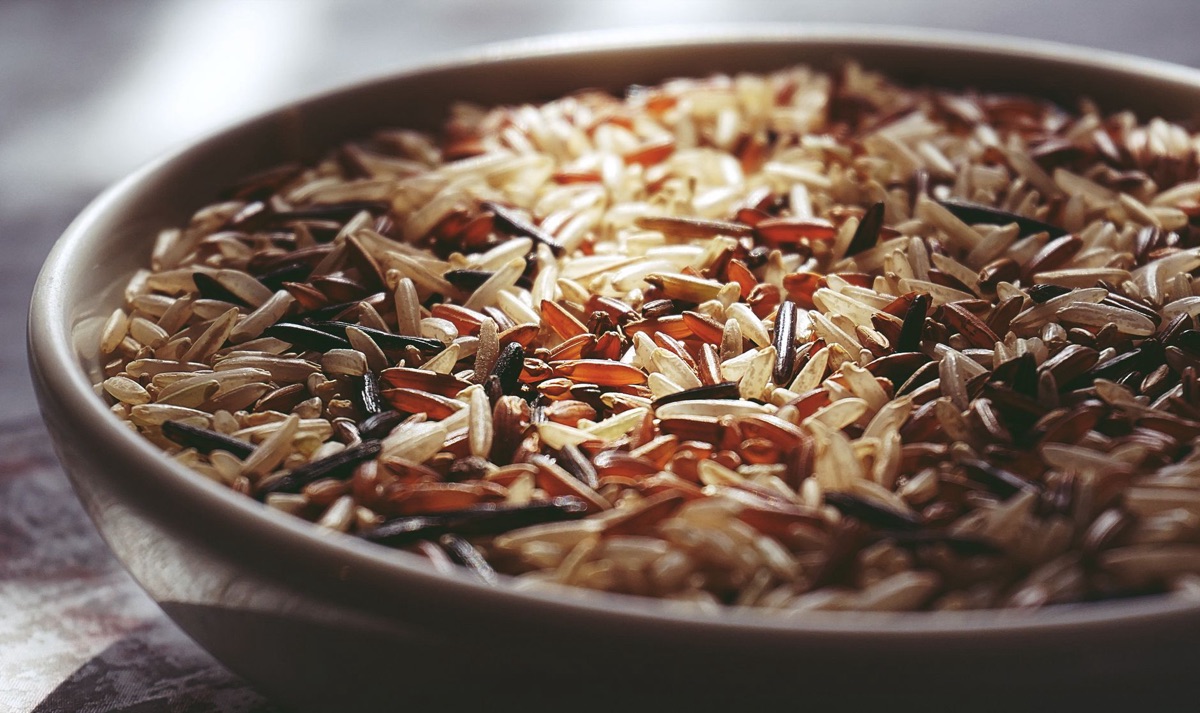
What is the Difference? Whole Grain vs. Polished Grain
A heavy bag of grain sits on a kitchen counter, its golden-brown husk catching the light. When you run your thumb over the surface, the texture is slightly gritty and firm, a stark contrast to the smooth, pearly white grains found in a standard bag of long-grain white rice.
According to The Journal of the Egyptian Public Health Association, bread containing 15% rice bran showed the highest score percentages for organoleptic quality compared with the control in 2014.
When I first started cooking with different grains in my own kitchen, I noticed how the texture of the brown rice changed the entire feel of a meal compared to the lighter white variety.
The fundamental difference between these two staples is the structural integrity of the grain. A whole grain, like brown rice, consists of three distinct parts: the bran (the outer fiber-rich layer), the germ (the embryo and nutrient center), and the endosperm (the starchy interior).
White rice is essentially the endosperm alone. During the milling and polishing process, the bran and germ are stripped away to extend shelf life and create a softer texture.
When looking at the nutritional breakdown, the impact of this removal is clear. Cooked brown rice provides approximately 123 calories and serves as a rich source of manganese, providing 36% of the Daily Value (DV), and acts as a moderate source of magnesium, phosphorus, niacin, and thiamine.
In contrast, cooked white rice contains approximately 29% carbohydrate and 2% protein, with a much lower concentration of manganese.
The loss of the bran and germ means that the "soul" of the grain—the vitamins and minerals—is often washed away during processing. But the loss of these layers leads to a much deeper question about what actually stays inside the grain.
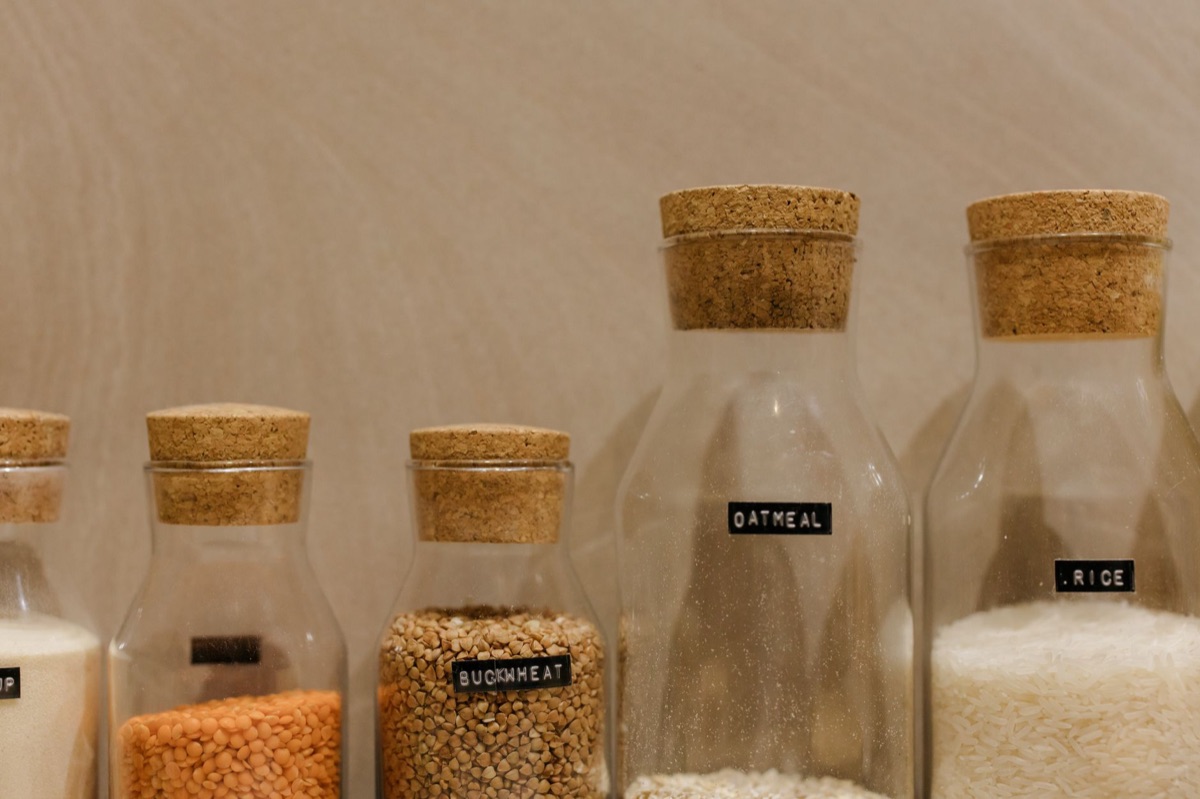
The Micronutrient Advantage: Minerals and B Vitamins
A hand reaches into a wooden bowl, scooping up a handful of uncooked brown grains. The grains look earthy and robust, much like the seeds one might find in a wild field.
As reported by Archivos latinoamericanos de nutricion in 2009, cookies with 50% of ERB had higher contents of protein (7.56 g 100 g(-1)) and dietary fiber (5.17 g 100 g(-1)) than the control.
As reported in Archivos latinoamericanos de nutricion in 2009, cookies with 50% of ERB had higher contents of protein (7.56 g 100 g(-1)), dietary fiber (5.17 g 100 g(-1)) and ash (3.31 g 100 g(-1)) than the control.
The bran layer is the primary carrier of micronutrients. Because the milling process removes this outer shell, white rice loses the concentrated minerals and B vitamins found in the grain's exterior. This is why brown rice is often categorized as a "whole grain" and white rice as a "refined grain."
The mineral richness of brown rice is particularly notable. It is a powerhouse of manganese, which is essential for bone health and metabolic function. It also contains significant levels of magnesium and phosphorus.
While the presence of B vitamins—such as thiamine and niacin—is significantly higher in the whole grain form, the loss of these vitamins during whitening is the primary reason why many white rice products are "enriched" with synthetic vitamins after processing to attempt to replace what was lost.
The density of these micronutrients is tied directly to the intact structure of the grain. Without the bran, the mineral profile shifts dramatically toward carbohydrates. This shift leaves us wondering how the macronutrients themselves compare.
How do the macronutrients actually compare?
A steaming pot of rice sits on the stove, the aroma of toasted grain filling the kitchen. One person reaches for a spoon to scoop the hearty, textured brown rice, while another prefers the light, fluffy white grains.
In a study published by Journal of basic microbiology in 2009, it was noted that L-methioninase activity was increased by preincubation of the enzyme for 2 h with various metal ions.
While both are primarily carbohydrate sources, the macronutrient profiles differ in ways that affect satiety and energy.
The dietary fiber content is the most significant difference; the bran in brown rice provides a substantial amount of fiber, which aids in digestion and helps regulate blood sugar.
When comparing the protein and fiber levels, the data shows a clear distinction. Cooked brown rice contains approximately 3% protein, whereas cooked white rice contains around 2% protein.
Furthermore, research into grain compositions shows that whole grains can offer significantly higher fiber levels—for example, certain grain studies show fiber levels as high as 5.17 grams per 100 grams—compared to the much lower levels found in refined grains.
This difference in fiber and protein means that brown rice typically keeps you feeling full longer than its white counterpart. However, nutrition isn't just about what is in the bowl; it is also about how you manage the grain in your pantry.
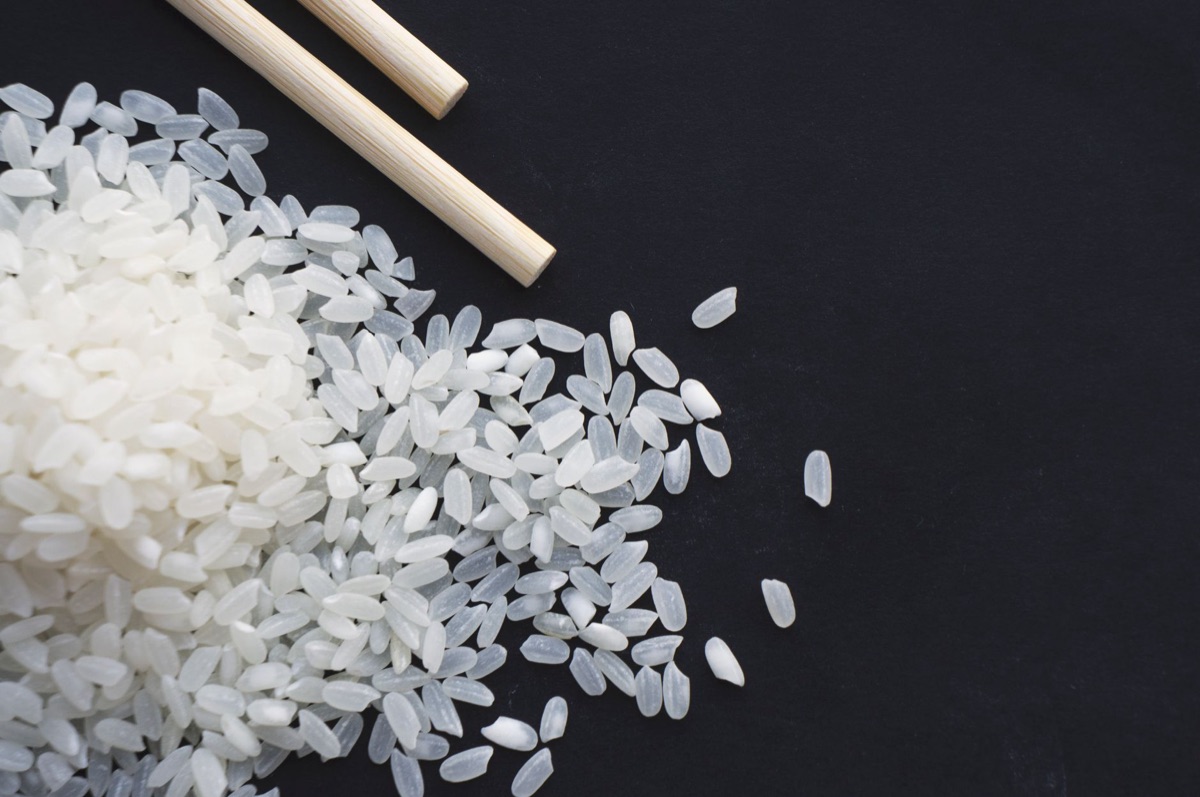
Beyond the Plate: Storage and Cooking Challenges
A pantry shelf holds several airtight glass jars, each filled with different grains. One jar holds white rice that looks pristine and white, while another holds brown rice that looks slightly darker and more textured.
Choosing the right grain also requires understanding how to manage it in the kitchen. There is a trade-off between nutrition and convenience. Brown rice has a shorter shelf life than white rice because the natural oils in the germ can go rancid over time.
While the approximate shelf life of brown rice is about 6 months, storing it in a hermetic (airtight) container can help extend this time.
Cooking and preparation also play a role in nutrient and safety management. For instance, cooking grains in large amounts of hot water can reduce inorganic arsenic content by 40–60%, but this process can also diminish the total micronutrient content.
Additionally, cooking times differ significantly; while white rice might cook quickly, brown rice typically requires a longer cooking time, often ranging between 35 and 51 minutes.
From a budget perspective, it is worth noting that brown rice often carries a price point approximately 10–20% higher than white rice, depending on the retailer and the specific variety. But how do you actually transition to a healthier grain in your daily life?
How to transition to whole grains: A step-by-step guide
A kitchen counter is covered in various measuring cups and a half-empty bag of jasmine rice. A person stands over the counter, looking thoughtfully at a new bag of long-grain brown rice.
Transitioning from white to brown rice can be a challenge due to the texture and cooking time. If you jump straight to 100% brown rice, you might find the texture too heavy.
Follow these steps to make the switch easier and more enjoyable:
- The Gradual Mix: Start by mixing 25% brown rice with 75% white rice in your cooker. Over several weeks, gradually increase the ratio of brown to white.
- 2.tMaster the Soak: To soften the texture and reduce cooking time, soak your brown rice in water for 30 minutes before starting the cooking process.
- Adjust the Water Ratio: Remember that brown rice requires more water than white rice. Use a ratio of approximately 2.5 cups of water for every 1 cup of brown rice.
- Use a Rice Cooker: If you are used to the "set and forget" nature of white rice, invest in a high-quality rice cooker with a "brown rice" setting to ensure consistent texture.
- Flavor the Water: Since brown rice has a nuttier, earthier flavor, try cooking it with a piece of kombu (seaweed) or a splash of vegetable broth to enhance the profile.
| Nutrient/Feature | Brown Rice (Whole Grain) | White Rice (Refined Grain) |
|---|---|---|
| Primary Components | Bran, Germ, and Endosperm | Endosperm only |
| Fiber Content | High | Low |
| Manganese Content | Very High (approx. 36% DV) | Low |
| Protein Content | Approx. 3% | Approx. 2% |
| Texture | Chewy and Firm | Soft and Fluffy |
| Shelf Life | Shorter (due to natural oils) | Longer |
Note on Dietary Needs While brown rice is a nutrient-dense whole grain, individuals with specific digestive sensitivities to high fiber should consult a healthcare professional. Always ensure grains are cleaned and cooked thoroughly to mitigate risks associated with raw grain consumption.
FAQ
Is white rice "bad" for you? "Bad" is a subjective term. White rice is a clean source of energy and is easier to digest for people with certain gastrointestinal sensitivities. However, it lacks the fiber and micronutrient density found in the whole grain.
Why is brown rice more expensive? The price difference often reflects the processing and the higher nutritional value. Because it is a less processed, whole product, it is often priced differently in the commodity market.
Can I mix the two? Yes, many people mix white and brown rice to find a balance between texture and nutrition. This is a great way to introduce more fiber into a diet gradually.



Comments 0