Broccoli's Secret: C & Sulforaphane's Antioxidant Synergy
"The true power of a vegetable lies not in its bulk, but in the chemical reactions triggered within our own cells upon the first bite."
Understanding the nutritional value of broccoli requires looking past the green florets and into the microscopic world of enzymatic reactions and molecular defense. While many see it as a mere side dish, broccoli is a complex chemical factory designed to trigger specific biological responses.
Key Takeaways
* Enzymatic Activation: The health benefits of broccoli depend on the interaction between glucosinolates and the enzyme myrosinase to create sulforaphane. * Cellular Defense: Sulforaphane acts as a potent inducer of the Nrf2 pathway, boosting the body's internal antioxidant production. * Vitamin C Synergy: The presence of Vitamin C works alongside sulfur compounds to provide a multi-layered defense against oxidative stress.
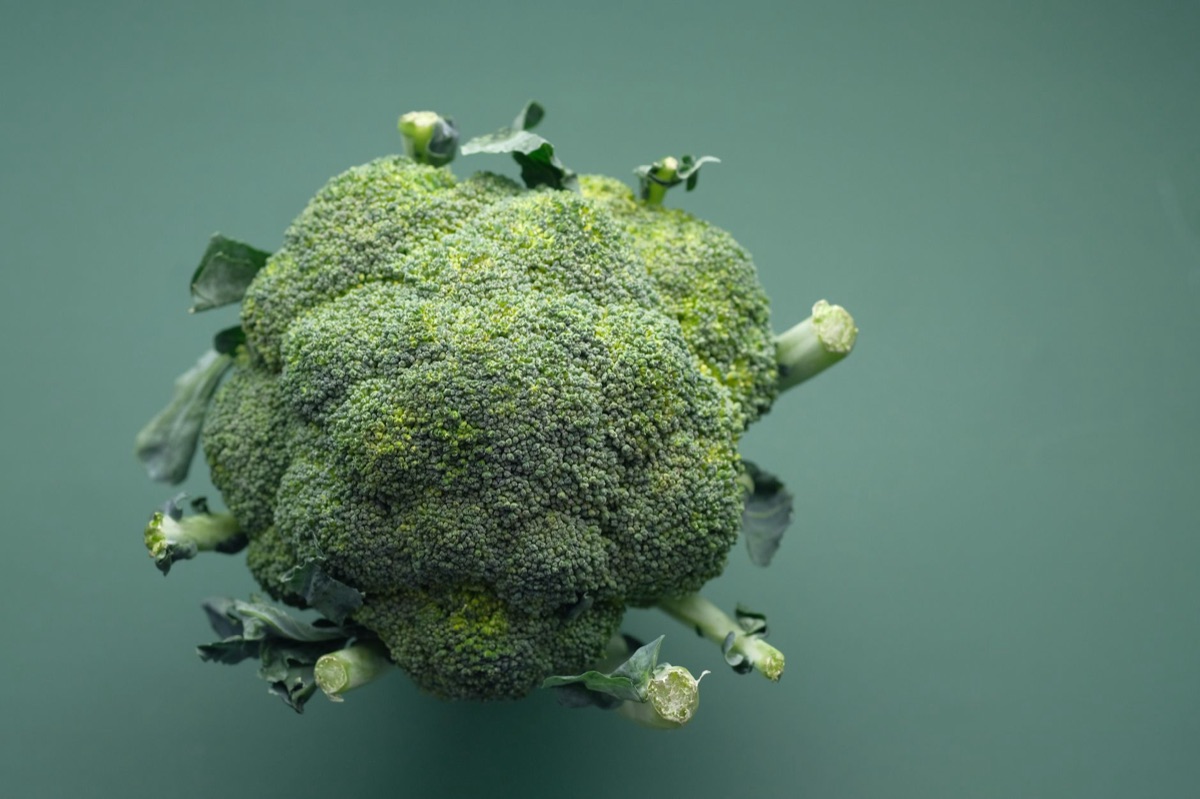
What is broccoli's chemical arsenal? At 6:30 AM, the kitchen is quiet, and the sharp, slightly peppery scent of freshly chopped broccoli fills the air. As the knife hits the cutting board, a silent chemical transformation begins.
According to the Cochrane database of systematic reviews, 2/250 women receiving herbal compress treatment experienced skin irritation in 2020.
The primary chemical group found in broccoli and its relatives is known as glucosinolates. These are sulfur-containing compounds that give cruciferous vegetables their characteristic pungent aroma and bitter taste. However, in their raw state, these compounds are largely inactive precursors.
To unlock the benefits, the plant relies on an enzymatic activation process. When the cell walls of the broccoli are damaged through cutting, chewing, or bruising, an enzyme called myrosinase comes into contact with the glucosinolates.
This reaction converts the precursors into biologically active molecules, most notably sulforaphane.
This structural diversity is a hallmark of the *Brassicaceae* family. The ability to transform a stable storage molecule into a reactive one is a sophisticated biological mechanism. This transformation is what makes the preparation of the vegetable just as important as the vegetable itself.
But how exactly does this chemical shift impact our living cells?
How does sulforaphane defend my cells? A hand reaches for a steaming bowl of greens, and the warmth carries the scent of sulfur through the room. This scent is the physical manifestation of the chemical defense being prepared.
According to Molecules (Basel, Switzerland), recent studies in 2025 demonstrate kale's potential in reducing the risk of chronic diseases such as cardiovascular disorders, type 2 diabetes, and hormone-related cancers.
Sulforaphane is a powerful molecule that interacts with the body at a cellular level. Rather than just scavenging free radicals directly, it works through a more profound mechanism: the induction of Phase II detoxification enzymes.
This is primarily achieved through the Nrf2 pathway, a master regulator of the body's antioxidant response.
When sulforaphane enters the system, it signals the cell to ramp up its own production of protective enzymes. This is a significant distinction from "simple" antioxidants.
While a standard antioxidant might neutralize a single reactive oxygen species (ROS), sulforaphane helps the cell build a more robust, self-sustaining defense system.
This cellular defense is vital for managing oxidative stress and maintaining homeostasis. By upregulating these internal pathways, the body becomes better equipped to handle the daily influx of environmental and metabolic stressors. However, the chemical story doesn't end with sulforaphane alone.
Beyond Sulforaphane: The Essential Contribution of Vitamin C
The bright green color of a fresh broccoli floret is a visual cue to the high concentration of ascorbic acid, or Vitamin C, tucked within the plant tissue. According to Microbial pathogenesis, the CFS of THY-B1 significantly reduced inflammatory markers by decreasing NO production by 22.4% in 2025.
Vitamin C serves as a powerful electron donor. In the fight against oxidative damage, molecules often become "spent" after neutralizing a free radical.
Vitamin C plays a crucial role in the antioxidant cascade by helping to regenerate other antioxidants, such as Vitamin E, back into their active forms.
When consumed alongside sulforaphane, a synergistic effect occurs. While sulforaphane prepares the cellular machinery and the Nrf2 pathway, Vitamin C provides immediate, water-soluble antioxidant support.
This dual-action approach addresses both the immediate threat of oxidative stress and the long-term need for cellular fortification.
This combination ensures that the body has both the "tools" and the "workers" necessary to manage oxidative load. The presence of Vitamin C also supports overall immune function, making the broccoli floret a multi-functional nutritional tool.
If the chemistry is so potent, why do so many people fail to capture it at the dinner table?
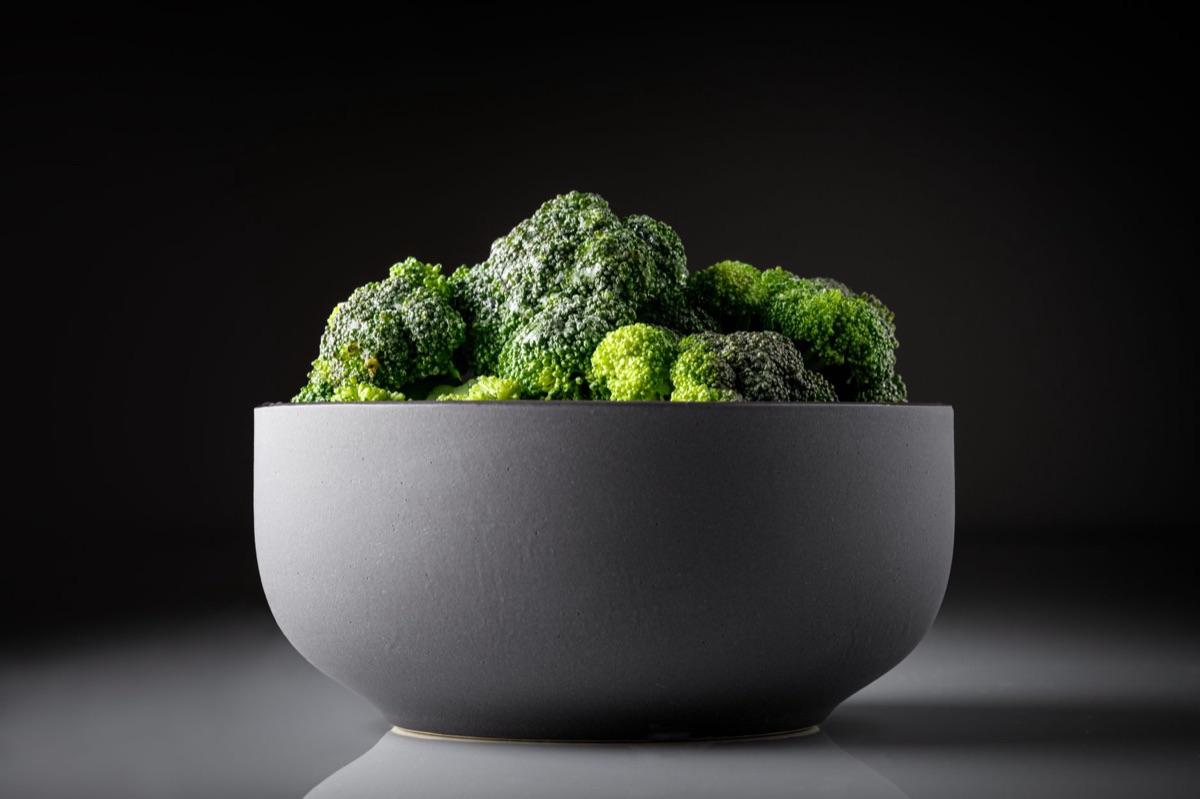
Maximizing Nutrient Absorption: Preparation Methods That Matter
A wooden cutting board sits on the counter, littered with small, and irregular pieces of broccoli, intentionally chopped to release the juices.
When I first started experimenting with different cooking times, I was shocked at how a mere five minutes could change the entire nutritional profile of my breakfast.
To maximize the yield of sulforaphane, one must respect the enzyme. Because the conversion of glucosinolates requires the myrosinase enzyme, the physical act of chopping, grating, or chewing is essential.
If the broccoli is cooked too aggressively before it is cut, the heat can denature the enzyme, significantly reducing the sulforaphane yield.
Cooking methods significantly impact the nutrient profile. Boiling often leads to the loss of water-soluble vitamins, including Vitamin C, as they leach into the cooking water.
Steaming is generally considered the superior method, as it preserves the delicate structure and the enzymatic potential of the vegetable.
| Preparation Method | Enzyme Activity | Vitamin C Retention | Best For |
|---|---|---|---|
| Raw / Chopped | Very High | High | Maximizing sulforaphane |
| Steaming | Moderate | High | Balanced nutrition |
| Boiling | Low | Low | Minimal nutrient density |
| Microwaving | Variable | Moderate | Convenience |
Steps to optimize your broccoli nutrition:
- Chop and Wait: After cutting the broccoli, let it sit for 30–40 minutes before cooking. This allows the myrosinase enzyme time to complete the conversion to sulforaphane.
- Steam, Don't Boil: Use a steamer basket to keep the florets above the water line to prevent leaching.
- Blanching: If you prefer a softer texture, a quick blanch in boiling water followed by an immediate ice bath can preserve color and some vitamin content.
- Add Mustard Seed: If cooking has deactivated the enzymes, adding a small amount of raw mustard seed powder (which contains active myrosinase) can help restart the conversion.
But how should you actually plate this to ensure nothing is wasted?
Broccoli in Context: Pairing for Optimal Nutritional Value
A drizzle of golden olive oil falls over a plate of lightly steamed broccoli, catching the light.
To get the most out of these compounds, consider how they interact with other dietary components. While sulforaphane and Vitamin C are water and sulfur-based, many other beneficial phytonutrients in vegetables are fat-soluble.
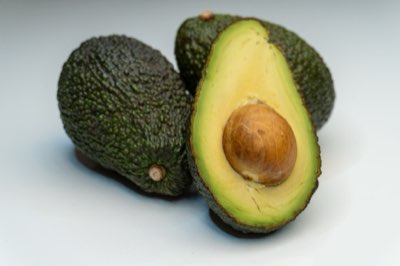
Pairing broccoli with a healthy fat, such as extra virgin olive oil or avocado, can enhance the overall absorption of the meal's micronutrients.
When building a plate, think of broccoli as a functional foundation. It provides the chemical "spark" through sulforaphane and the "support" through Vitamin C.
Combining it with proteins and complex carbohydrates creates a balanced meal that supports both immediate energy and long-term cellular health.
Nutritional Profile: Broccoli (Raw, per 100g)
| Nutrient | Amount |
|---|---|
| Calories | ~34 kcal |
| Protein | ~2.8 g |
| Fat | ~0.4 g |
| Carbohydrates | ~6.6 g |
| Vitamin C | ~89 mg |
| Fiber | ~2.6 g |
A Note on Dietary Needs While broccoli is a nutrient-dense addition to most diets, individual needs vary. For children, dietary fiber requirements are specific to age; for example, the NAM suggests approximately 19 g/day for children aged 1–3 and 25 g/day for those aged 4–8.
Always consult with a healthcare provider regarding specific dietary requirements or if you have known allergies to cruciferous vegetables.
FAQ
Does cooking destroy all the benefits of broccoli? Not all benefits are destroyed, but the method matters. Boiling can leach out Vitamin C and water-soluble nutrients. Steaming is the best way to preserve both the vitamins and the ability to form sulforaphane.
Can I just take a supplement instead of eating broccoli? Supplements can provide specific compounds, but they do not replicate the complex matrix of fibers, vitamins, and minerals found in whole foods. Whole foods provide a synergistic environment that is difficult to replicate in a single pill.
Why does broccoli smell so strong when cooked? The smell is caused by the release of sulfur compounds. While some find it unpleasant, these sulfur-containing molecules are exactly what provide the unique health-promoting properties of the vegetable.
Disclaimer: This article is general information, not medical advice. Consult a qualified healthcare professional before taking any supplement or medication.




Comments 0