Olive Oil: Heart Health Link with 16% CVD Risk Reduction
"It is not a single superfood that changes your health, but the way a drizzle of oil meets a harvest of vegetables."
The Mediterranean diet is often treated like a passing wellness trend, but it is actually a sophisticated nutritional blueprint designed around synergy.
Rather than relying on a single "magic" ingredient, it utilizes a specific balance of fats, fibers, and micronutrients that work together to support long-term health.
Key Takeaways
* The diet's benefits stem from the synergy of various food groups rather than isolated ingredients. * High monounsaturated fat intake from olive oil is a cornerstone of cardiovascular support. * A plant-heavy matrix provides essential fiber and a wide spectrum of micronutrients. * Omega-3 fatty acids from seafood provide critical anti-inflammatory benefits.
Why Olive Oil is the Unsung Hero: Beyond Just Fat
A heavy glass bottle of extra virgin olive oil sits on a sun-drenched wooden table in Crete, its golden hue catching the light. For generations, this liquid gold has been the foundation of every meal, serving as both a flavor enhancer and a primary source of fuel.
According to the Food and Agriculture Organization, the ten leading producers are all located in the Mediterranean region and are responsible for 95% of the world's olives. As reported by the European Union, this region is responsible for nearly 60% of the world's olive oil.
While many view oil simply as a source of calories, in a Mediterranean context, it is a delivery vehicle for health. The primary role of olive oil is to provide monounsaturated fatty acids, which are essential for heart health.
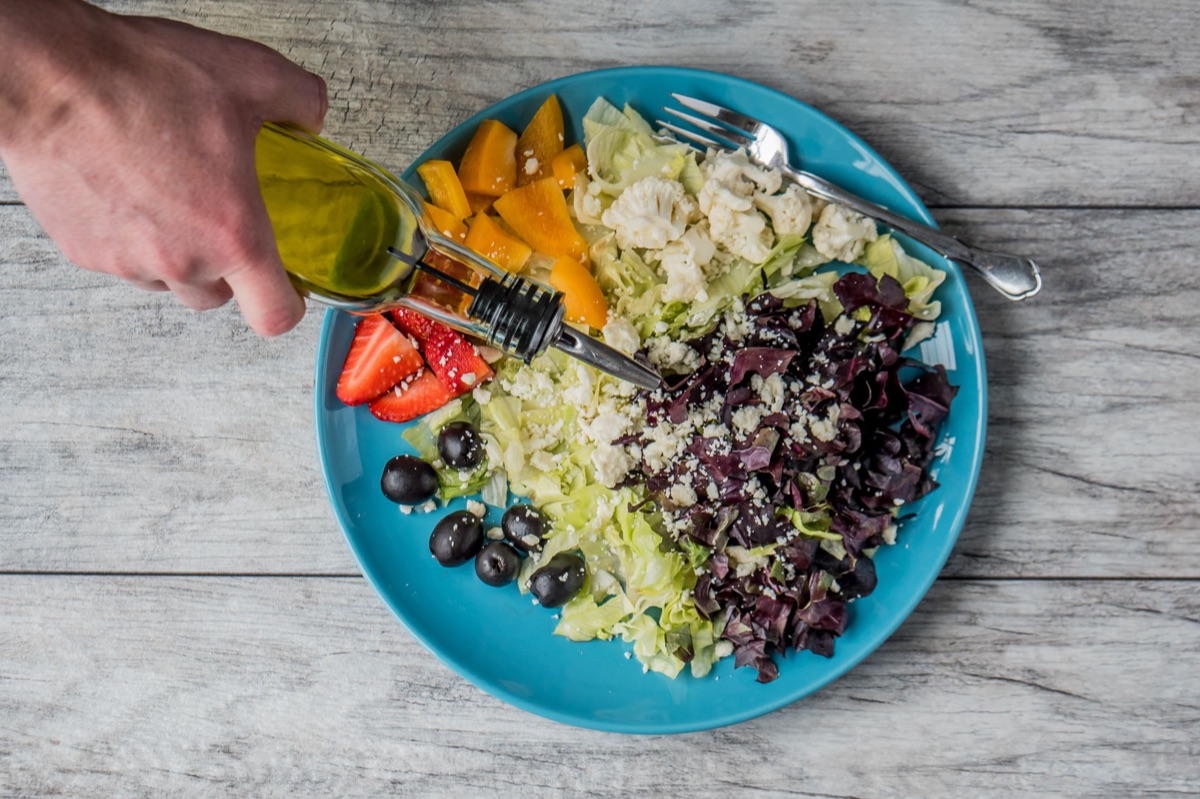
When you drizzle this oil over a salad of tomatoes and cucumbers, you aren't just adding flavor; you are creating a biological synergy. The fats in the oil help the body absorb fat-soluble vitamins, such as Vitamin A, D, E, and K, found in the vegetables.
The scale of this staple is massive. The European Union is responsible for nearly 60% of the world's olive oil production. This abundance has allowed the Mediterranean lifestyle to remain deeply rooted in these specific fats. Clinical research has highlighted the tangible benefits of this habit.
For every additional 25 grams of olive oil consumed per day, studies have found a 16% reduced risk of cardiovascular disease (CVD), according to research published in *Clinical Nutrition*. This suggests that the oil is not just a substitute for butter, but a proactive component of heart health.
But why does this specific fat work so much better than the processed oils we often grab at the supermarket?
The Power Duo: Why Whole Grains and Plants Need Each Other
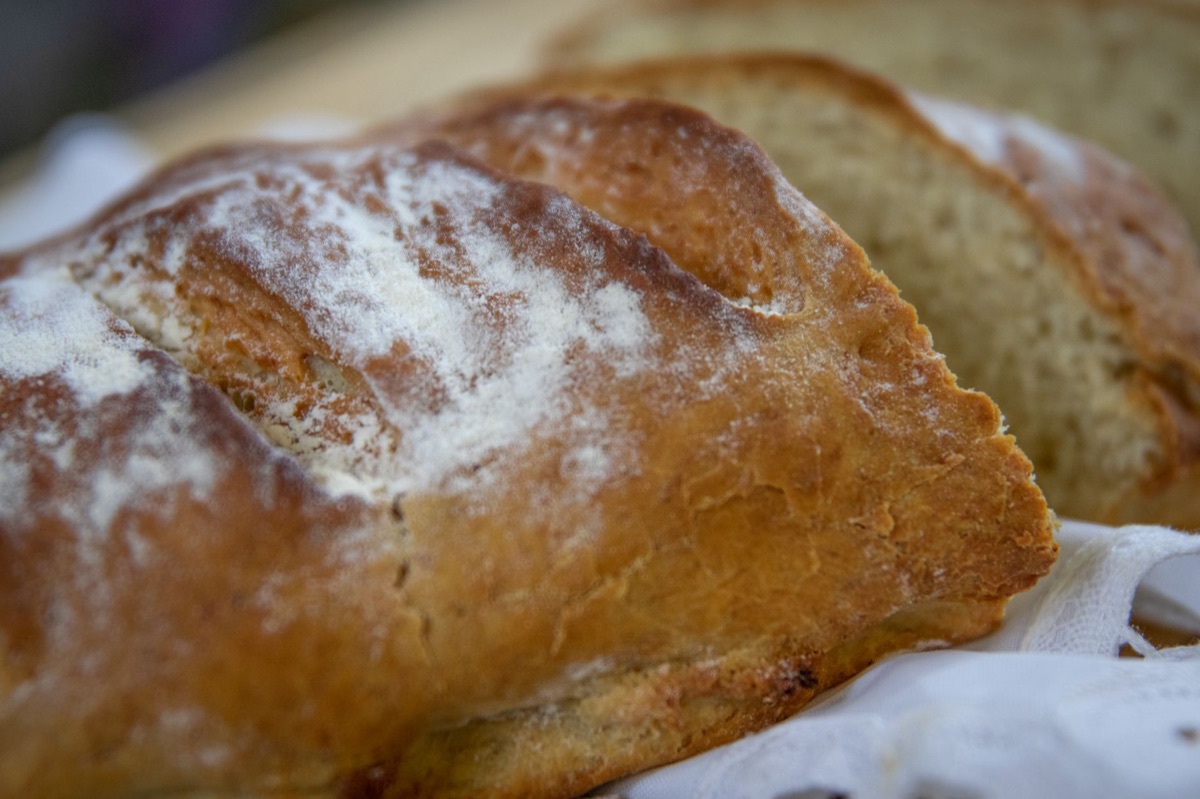
A heavy linen bag of farro sits in a pantry, its earthy scent mixing with the aroma of freshly baked bread. This combination of hearty grains and vibrant vegetables forms the structural backbone of the diet.
The relationship between whole grains and plant-based foods is a cornerstone of nutritional stability. Whole grains provide complex carbohydrates that offer sustained energy release, preventing the blood sugar spikes often associated with refined grains.
When these are paired with a high volume of vegetables and legumes, the result is a massive influx of fiber and micronutrients.
Modern science is increasingly validating this traditional way of eating. There is growing evidence that substituting animal-based foods with plant-based foods is associated with a lower risk of cardiovascular diseases, type 2 diabetes, and all-cause mortality.
By leaning heavily on the plant kingdom, the diet ensures a high intake of antioxidants and phytonutrients that combat oxidative stress. This transition from animal-heavy to plant-forward eating is a primary driver of the longevity observed in Mediterranean regions.
However, a diet of just plants and grains can sometimes lack the specific fats needed for brain health.
Seafood, Nuts, and Seeds: How Do We Balance the Fats?
The sound of waves hitting a pier accompanies the arrival of a fresh catch of sardines or sea bass. These proteins provide a different kind of essential nutrition that complements the plant-based foundation.
While olive oil provides monounsaturated fats, seafood, nuts, and seeds provide the essential polyunsaturated fats, specifically Omega-3 fatty acids like EPA and DHA. These fats are crucial for brain health and managing inflammation.
In a well-balanced Mediterranean plate, the fats are diverse: monounsaturated fats from oil, polyunsaturated fats from fish and nuts, and fiber from plants.
This diversity prevents the "single-source" nutrition trap. While the oil handles the daily caloric and vitamin-absorption needs, the seafood and nuts provide the specialized fats required for cellular function.
This balance ensures that the body receives a complete profile of fatty acids, preventing the inflammatory issues often caused by diets too high in saturated fats from red meat. But how do you actually put this on a plate without getting lost in the complexity?
Building the Plate: What is the Real Ratio?
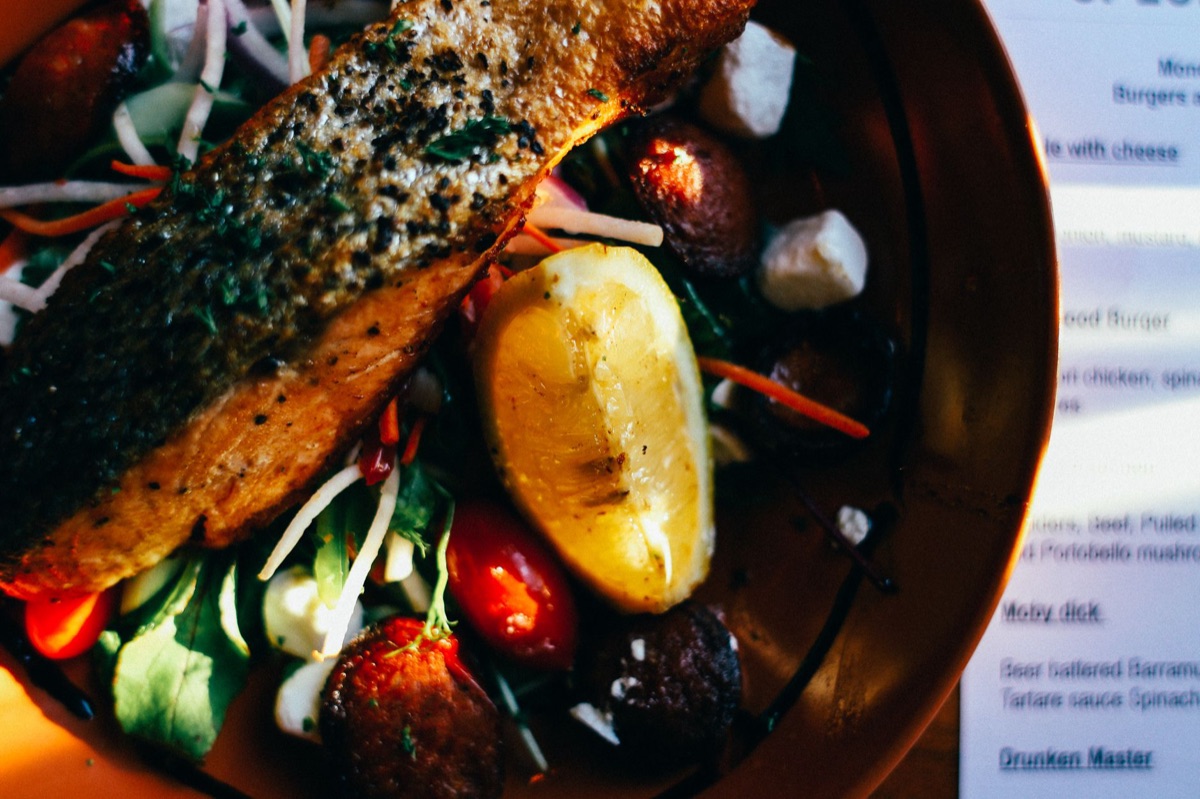
A large ceramic platter is spread across a table, piled high with roasted peppers, a small portion of grilled fish, and a side of herbed couscous. The proportions are clear: the vegetables dominate, the grains are a steady presence, and the protein is a concentrated accent.
To replicate this at home, one must look at the "Golden Ratio" of the Mediterranean plate. It is not about eating large portions of a single item, but about managing the volume of different food groups.
| Component | Typical Portion Size | Primary Nutritional Role |
|---|---|---|
| Vegetables & Legumes | 50% of the plate | Fiber, Vitamins, Minerals, Volume |
| Whole Grains | 25% of the plate | Complex Carbohydrates, Sustained Energy |
| Lean Protein (Fish/Poultry) | 20% of the plate | Amino Acids, Essential Fats |
| Healthy Fats (Oil/Nuts) | 5% of the plate | Nutrient Absorption, Caloric Density |
This ratio maximizes nutrient density. By filling half the plate with vegetables, you achieve satiety through volume and fiber without overconsuming calories. The grains provide the necessary energy, while the protein and fats provide the essential building blocks.
This balance is often supported by the natural environment; for example, the dry summer climates in many Mediterranean regions are ideal for growing the very olives and hardy grains that define this lifestyle. But even with the right ingredients, the way you cook them can change everything.
Beyond the Basics: How Do We Preserve the Nutrients?
A heavy cast-iron pan simmers on a low flame, the gentle bubbling of olive oil and garlic creating a soothing rhythm. The heat is controlled, designed to soften rather than sear.
The way food is prepared is just as important as the ingredients themselves. Mediterranean cooking often utilizes low-to-medium heat, such as poaching, steaming, or light sautéing. These methods help preserve the delicate structure of vitamins and antioxidants.
For example, high-heat frying can degrade the healthy fats in olive oil or destroy heat-sensitive vitamins in vegetables.
To maintain the nutritional integrity of a Mediterranean meal, follow these steps:
- Prioritize Freshness: Select seasonal vegetables to ensure peak micronutrient levels.
- Use Oil as a Finishing Touch: For extra virgin olive oil, use it raw over cooked vegetables to maximize antioxidant intake.
- Control the Heat: Avoid deep-frying; instead, use the oven or a light sauté to cook proteins and vegetables.
- Incorporate Whole Textures: Keep the skins on vegetables and choose whole grains to maximize fiber intake.
When I first tried to transition to this way of eating in late 2025, I realized that I couldn't just swap butter for oil and call it a day; I had to change how I approached the entire meal structure. It wasn't just about the ingredients, but the harmony of the preparation.
One thing to keep in mind is that this approach is not a "one size fits all" solution. For individuals with specific medical conditions requiring strict calorie restriction or those with severe allergies to nuts or seafood, these general guidelines must be adjusted under professional guidance.
#




Comments 0