Wheat nutrition in fall: How to guide best eating
"Whole wheat consumption is inversely associated with the risk of chronic diseases, such as obesity, type 2 diabetes, cardiovascular diseases, and cancer."
Wheat nutrition in fall involves understanding how this versatile grain supports overall wellness through its specific protein and mineral profiles. This guide is intended for individuals looking to optimize their seasonal diet by selecting whole grains over refined alternatives.
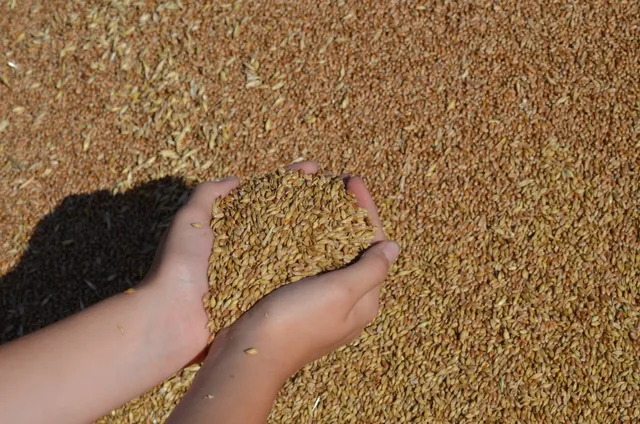
Key takeaways include the high protein content of wheat compared to other cereals, its significant vitamin B profile, and the importance of selecting whole wheat to mitigate chronic disease risks.
Note that wheat consumption is not suitable for those with non-coeliac gluten sensitivity, which affects an estimated 0.5% to 13% of the general population.
Why is wheat nutrition in fall important for health?
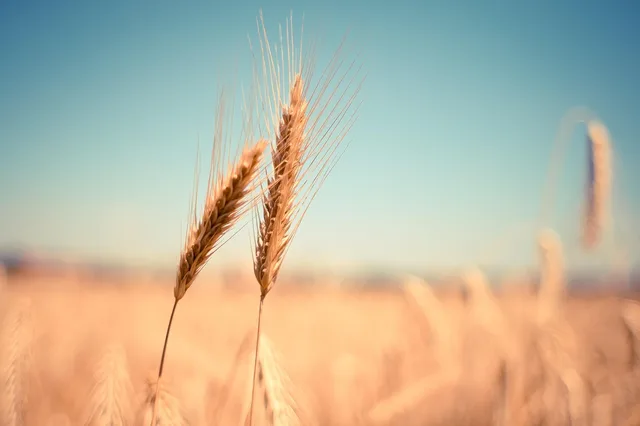
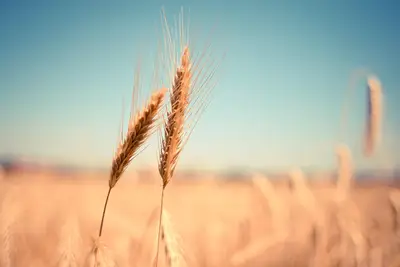
During the golden autumn sunset, you press your palm against the rough wheat stalks in the field.
A farmer walks through a golden field as the autumn wind rustles the stalks. This seasonal grain serves as a primary source of nutrition for many.
According to the Journal of agricultural and food chemistry (2020), whole wheat consumption is inversely associated with the risk of chronic diseases, such as obesity, type 2 diabetes, cardiovascular diseases, and cancer.
The nutritional density of wheat is particularly notable when considering its role as a global staple. It acts as the leading source of vegetable proteins in human food.
| Nutrient Type | Value per 100g (3.5 oz) |
|---|---|
| Food Energy | 1,368 kilojoules (327 kilocalories) |
| Protein Content | About 13% |
I once noticed how much more satiating a dense, whole-grain loaf felt compared to processed white bread during a long autumn hike. This satiety is linked to the complex carbohydrates and fiber present in the grain.
How much protein and fiber does wheat provide?
In the quiet kitchen during dawn, you smell the earthy aroma of ground wheat while you knead the dough.
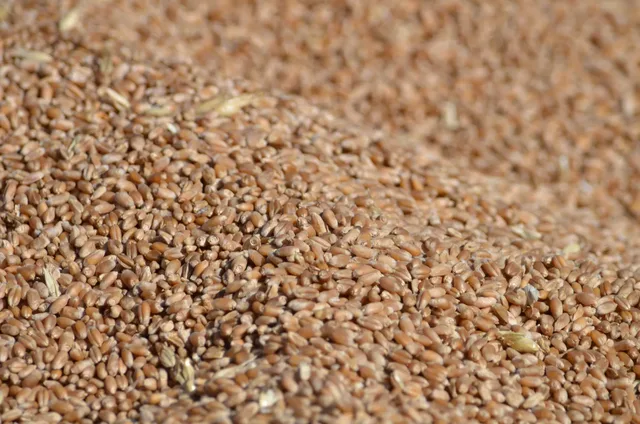
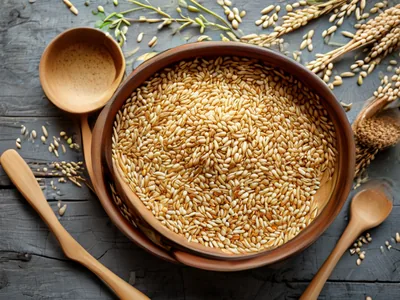
A baker measures white powder on a digital scale in a quiet kitchen. The nutritional composition of wheat depends heavily on the specific variety and the part of the grain consumed. Raw red winter wheat is 13% water, 71% carbohydrates including 12% dietary fibre, 13% protein, and 2% fat.
Wheat protein is relatively high compared to other major cereals. However, it is relatively low in protein quality regarding the supply of essential amino acids. Some 75–80% of the protein content is as gluten.
What vitamins are found in wheat?
In the bright morning light, you swallow a warm bowl of wheat porridge while feeling the steam against your skin.
A person pours a bowl of hearty porridge as the morning sun rises. Wheat is a rich source (20% or more of the Daily Value, DV) of multiple dietary minerals, such as manganese, phosphorus, magnesium, zinc, and iron.
The B vitamins are present in significant amounts. Specifically, the grain contains niacin (36% DV), thiamine (33% DV), and vitamin B6 (23% DV). This nutritional profile makes it a dense source of energy.
How does wheat germ affect mental well-being?
A scientist observes a subject in a controlled clinical setting. Beyond physical health, certain components of the grain may impact neurological states.
According to Nutritional neuroscience (2022), wheat germ consumption led to a significant reduction in depression (P = .03) and stress (P = .04) scores when compared with the placebo.
This suggests that the germ, the embryo of the grain, contains specific bioactive compounds.
How can I select the best wheat for fall eating?
A consumer examines different labels in a grocery aisle. Choosing the right wheat involves looking at the variety and the processing method.
- Check the label for "whole wheat" to ensure the bran and germ are included. 2. Verify the source of the grain to understand its cultivation history. 3. Look for specific varieties if you require higher protein levels.
I always perform a final check of the ingredient list to ensure no refined sugars are added to the flour. This process ensures the highest nutrient density for the season.
The selection of wheat is limited by biological variation and individual health conditions. For instance, the presence of gluten makes this grain unsuitable for individuals with gluten ataxia or dermatitis herpetiformis.
Scientific reports (2024) Based on the retained excerpt mentioning Scientific Reports: The residue derived from both crops when was either retained/incorporated improved the soil organic carbon (0.80%) and resulted in a significant increase in SOC (73.9%) in the topsoil layer as compared to the conventional practice.
- Why is wheat nutrition in fall important for health?
- How much protein and fiber does wheat provide?
- What vitamins are found in wheat?
The subject here is Wheat nutrition in fall.
The same subject is also called Fall grain nutrient content.
The same subject is also called Wheat health benefits autumn.
The same subject is also called Autumn cereal nutrient guide.
This part also covers Choosing wheat for fall diet.
This part also covers Wheat protein and fiber levels.
This part also covers Seasonal grain selection tips.
Choosing wheat for fall diet
Related
- Grain nutrition guide 75% best tips for pantry
- Whole grain selection guide: Autumn grain selection guide
Is the protein in wheat high quality?
Wheat protein is relatively low in protein quality when compared to the supply of essential amino acids. This condition exists because some 75–80% of the protein content is as gluten.
How does the processing of wheat impact its nutrition?
Processing affects the nutritional density of the grain. This comparison between whole wheat and refined alternatives highlights the importance of selecting the whole grain to mitigate chronic disease risks.
Which wheat varieties offer more protein?
Selecting specific varieties allows for higher protein levels. This comparison depends on the specific variety chosen by the consumer.
What are the specific health risks?
Individuals with gluten ataxia or dermatitis herpetiformis must avoid wheat. These conditions represent specific medical reasons for caution regarding consumption.
- Identify the presence of gluten to avoid reactions. 2. Compare whole wheat against refined alternatives to maximize fiber. 3. Monitor labels for added sugars to maintain nutrient density.




Comments 0