Grain nutrition guide 75% best tips for pantry
"Choosing the right grain for your autumn pantry involves more than just looking at the packaging; it requires understanding the strict standards behind the labels."
This guide helps health-conscious shoppers identify high-quality organic grains by distinguishing between different certification levels and labeling requirements.
Please note that while these standards ensure organic integrity, they do not provide a specific nutritional ranking between different types of grains.

* * Recognize "made with organic ingredients" for products with 70% organic content. * Understand the role of international standards in global grain trade. * Learn how certification costs are managed by producers.
How do I recognize true organic grain?
A shopper reaches for a heavy bag of oats in a local grocery aisle, scanning the surface for a familiar green and white symbol.
This seal guarantees that the product meets the most rigorous federal requirements for organic production and handling.
According to Wikipedia, a third category of products exists which contains a minimum of 70% organic ingredients.
If you want the most complete organic assurance for your seasonal porridges, look for the seal rather than just the ingredient claim.
- Check the packaging for an official organic seal.
- Verify the certification body listed on the label.
- Cross-reference the producer's name with a recognized database.
What are the global standards for organic food? Autumn organic grain nutrition
A traveler in a European market examines a box of quinoa, noting a specific logo that looks different from the American version. Understanding the landscape of organic cereal nutrient check requires knowing that labeling is not uniform across the globe.
The European Commission sets global standards for organic food production.
According to the European Commission, an EU-wide label for organic food was issued in March 2002.
Different regions have established their own rigorous frameworks to maintain consumer trust during the autumn harvest season.
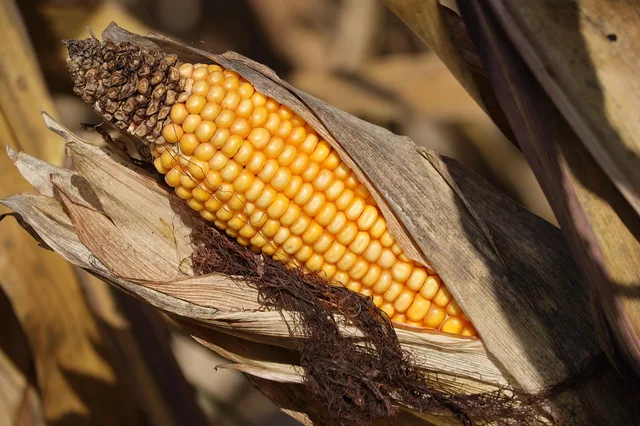
In March 2002, the European Commission issued an EU-wide label for organic food to standardize quality across its member states. This provides a clear reference point for those sourcing grains from international suppliers.
Using an organic grain comparison guide helps you navigate these different regional marks effectively.
I find that the second step in this process is the most extensive.
Which certifications are recognized internationally?
A distributor prepares a shipment of organic barley, checking the documentation to ensure it meets the requirements of various destination countries. The reliability of organic food depends on widespread adoption of consistent standards.
When you are choosing best fall cereal, knowing that these rules are respected globally adds a layer of confidence to your purchase.
The current standard was established in 2002 and is used in over 68 countries. This widespread system is endorsed by both the USDA and IFOAM - Organics International.
Because these standards are embraced across dozens of nations, the organic integrity of your autumn pantry staples is supported by a massive global network.
How do producers manage organic certification?
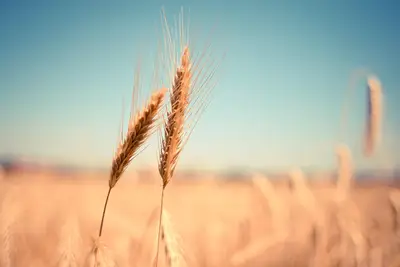
A farmer stands in a golden field of wheat, reviewing the paperwork required to maintain his organic status for the upcoming season. The process of maintaining high standards involves significant administrative and financial commitment.
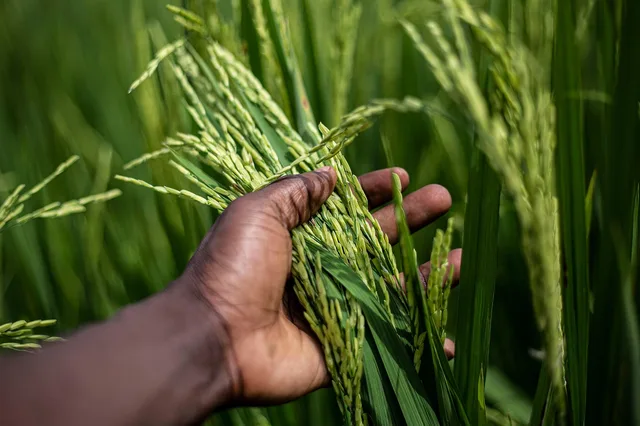
This investment ensures that the organic grain comparison guide you follow is based on verified, high-quality products.
Once certified, producers and handlers can have up to 75% of their organic certification costs reimbursed through the USDA Organic Certification Cost-Share Programs. This financial support helps farmers maintain the strict protocols necessary to keep their certification active.
This reimbursement is a vital part of the ecosystem that keeps organic grains accessible to the public.
What is the process for verifying organic labels?
A person stands in a kitchen, carefully reading the fine print on a bag of organic buckwheat before adding it to a simmering pot. To ensure you are performing an organic grain comparison guide correctly, follow these specific steps to verify your selection.
- Locate the USDA Organic seal on the front of the packaging to confirm the highest level of certification. 2. Check the ingredient list to see if the product falls into the "made with organic ingredients" category, which requires at least 70% organic content. 3. Verify the origin of the grain to see if it adheres to international standards, such as those issued by the European Commission.
I always check the ingredient percentages first to see if the product meets my personal threshold for organic content. This habit ensures that my autumn organic grain selection remains consistent with my dietary goals.
Is there a limitation to these standards?
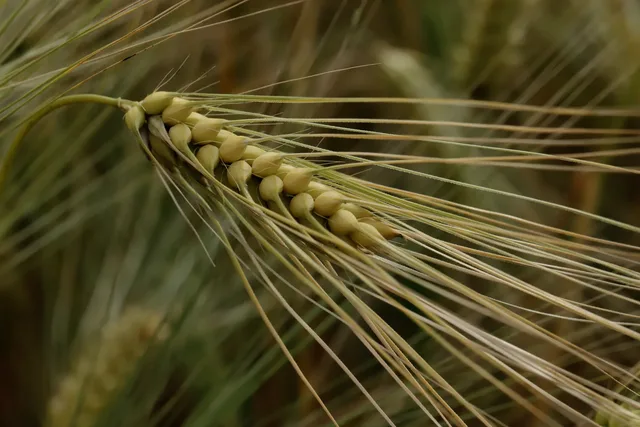
A person looks at a bag of grain that lists several organic ingredients but lacks the official seal. While these labels provide significant clarity, they do not represent a single, unified ranking of nutritional density.
The standards focus on the methods of production and the percentage of organic ingredients rather than comparing the specific vitamin or mineral levels of one grain versus another.
The subject here is Autumn organic grain nutrition.
The same subject is also called Best fall organic grains.
The same subject is also called Compare fall grain values.
The same subject is also called Healthy autumn organic food.
This part also covers Nutrient profile of autumn grains.
Organic grain comparison guide
Related



Comments 0