Nutri-Score Explained: Fiber & Protein Drive Your Food Grade
"A single letter on a package can tell a story, but understanding the math behind that letter tells you the truth about what you are eating."
The Nutri-Score is a front-of-pack labeling system designed to help consumers make quick, informed choices by simplifying complex nutritional data into a single, color-coded letter.
By weighing "negative" components against "positive" ones, the system provides a snapshot of a product's nutritional profile.
Key Takeaways * The Nutri-Score reflects overall nutritional quality by balancing negative and positive components. * Dietary fiber and protein act as positive drivers that can help raise a product's score.
* High levels of sugar, salt, and saturated fats pull the score toward the lower, less healthy end of the spectrum. * A single high score does not constitute a complete diet; nutritional context and variety remain essential.

What is the Nutri-Score and How Does It Work?
At a supermarket checkout in the spring of 2026, a shopper glances at a box of crackers and sees a bright green "A" or a deep orange "E." This visual shorthand is the Nutri-Score, a system intended to guide consumers toward better dietary choices at a glance.
The system works through a mathematical algorithm that assigns points based on the nutritional content per 100g or 100ml. Negative factors, such as high energy density, high sugar content, high saturated fatty acids, and high salt content, increase the score, moving it toward the "E" range.
Conversely, positive components like fiber and protein help offset these negative points. The final result is a grade from A (the healthiest) to E (the least healthy), allowing for a quick comparison between similar products.
While the goal is simplicity, the calculation is nuanced. It isn't just about minimizing the "bad" stuff; it is about the relationship between the energy provided and the nutritional value added. Understanding this balance is the first step to mastering the label.
But how exactly do the "good" ingredients fight back against the "bad" ones?
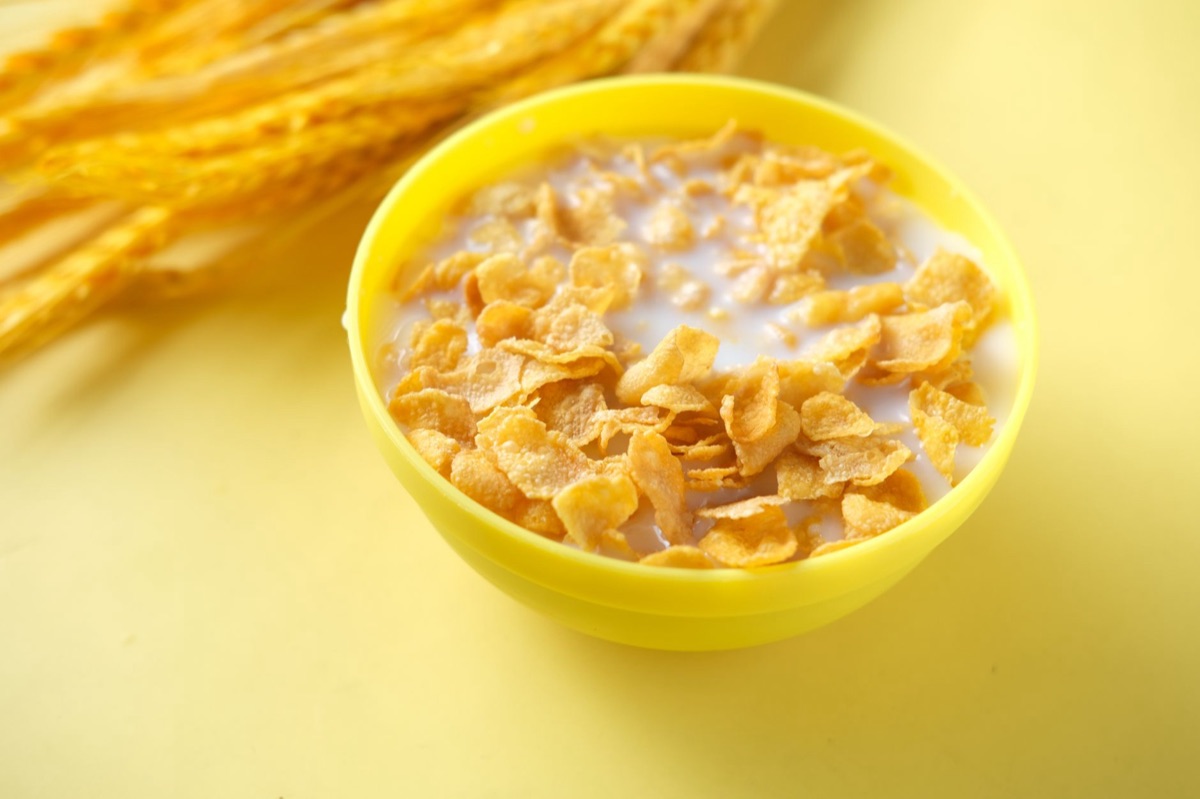
How does dietary fiber affect my Nutri-Score? A person stands in the cereal aisle on a Tuesday morning, comparing a sugary puffed grain box to a dense, whole-grain oat variety. The difference in their Nutri-Score often comes down to the invisible presence of fiber.
Fiber is one of the primary "positive" contributors in the Nutri-Score algorithm. Because fiber adds bulk and nutritional value without adding excessive calories or sugar, it helps lower the overall score.
In the calculation, the presence of fiber can offset the points assigned to carbohydrates or energy density. This is why a whole-grain bread often achieves a better rating than a highly processed white bread of the same weight.
By increasing the fiber content, manufacturers can mitigate the negative impact of other ingredients. This makes fiber a critical tool for achieving a higher score, as it represents a nutrient-dense component that supports satiety and digestive health.
If fiber is the shield, protein is the heavy hitter.
How much does protein contribute to nutritional value? A diner at a cafe looks at a menu, noticing that a protein-rich salad and a pasta dish have different nutritional profiles despite being similar in size. The protein content plays a decisive role in how the nutrition is weighted.
Protein serves as a significant positive driver in the Nutri-Score system. Similar to fiber, protein helps balance the score against negative components like fats and carbohydrates. In many product categories, a higher protein-to-calorie ratio can significantly boost the final grade.
This is particularly important in processed foods where the goal is to provide satiety and essential building blocks rather than just empty calories.
However, the system is careful to weigh protein against the type of fat and the total energy density. While protein is a positive, it must be balanced against the overall caloric load to ensure the score accurately reflects the product's quality.
But what do the actual numbers and studies tell us about how this works in the real world?
Beyond the Score: Real-World Data on Product Quality
A researcher sits at a desk in late 2025, reviewing a stack of studies that compare the labels on supermarket shelves to the actual health outcomes of the people buying them. The data shows that the labels do more than just categorize food; they influence behavior.
According to the International Journal of Behavioral Nutrition and Physical Activity, the absence of the Nutri-Score and the nutritional quality of products were significant for all dependent variables in 2024, with effect sizes ranging between large and medium.
According to the International Journal of Environmental Research and Public Health, 63% of cheeses and cheese products were classified as healthy in 2023.
According to PLoS Medicine, Nutri-Score and Nutri-Wise (NW) were associated with an increased overall healthfulness by 7.9% and 26%, respectively, in 2021.
Research has shown that the Nutri-Score and the nutritional quality of products are significant factors in consumer behavior, with effect sizes ranging from medium to large.
For instance, studies on specific categories like cheese have shown that while many products receive a healthy rating, the distribution varies.
In one study, it was observed that across the whole scale, the majority (63%) of cheese and cheese products were classified as healthy, with a rating of 3.5 or higher, while Nutri-Score Nutritional (NS) products mostly graded lower.
These findings suggest that the system effectively differentiates between products. When consumers use models like the Healthy Scoring Profile (HCSP), they often see an increase in the overall healthfulness of their purchases.
For example, certain nutritional models have been associated with an increase in healthfulness ratings of purchased products by as much as 26%.
These numbers are impressive, but can you actually use this information to build a better meal?
Beyond the Label: Composing a Truly Healthy Meal
A family sits down for dinner, and while the main dish has a high Nutri-Score, the side dishes and drinks vary wildly in quality. This scene highlights the danger of treating a single label as a total dietary solution.
It is important to remember that the Nutri-Score is a tool for individual products, not a blueprint for a complete diet. The system does not guarantee that a consumer's choice of only high-rated products will result in a healthy lifestyle.
A diet consisting entirely of "A" rated processed snacks might still lack the variety and micronutrient density found in a diet of whole foods.
Expert consensus suggests that the score should be viewed as a guide for ingredient selection rather than a replacement for dietary wisdom. A truly healthy meal requires looking at the synergy of all ingredients.
When I first started looking at these labels during my own grocery runs in 2025, I realized that an "A" on a box of granola doesn't mean I should eat it for every meal. It just means it's a better choice than the "D" rated alternative next to it.
Pairing a high-fiber grain with a lean protein and fresh vegetables creates a nutritional profile that a single label cannot fully capture.
Practical Tips for Maximizing Nutritional Value
A home cook stands in a bright kitchen, looking at a shopping list and deciding which ingredients will provide the most value for the family. They decide to swap refined grains for ancient grains and add extra legumes to the soup.
To make the most of nutritional information, you can apply these strategies when shopping and cooking:
- Prioritize Whole Over Processed: Look for products where the first few ingredients are whole grains, legumes, or vegetables to ensure high fiber and protein levels.
- Check the Ratio: When comparing two products, look at the fiber and protein per 100g. A product with higher fiber and protein relative to its sugar and salt content will almost always have a better score.
- Balance the Plate: Use the Nutri-Score to identify "better" versions of processed foods, but aim to make the bulk of your diet consist of fresh, minimally processed ingredients.
- Mind the Salt and Sugar: Even if a product has high protein, check the sodium and sugar levels. If they are excessive, the positive points from protein may be negated.
- Use the Score as a Comparator: Use the label to decide between two similar items (like two different brands of yogurt) rather than using it as the sole reason to buy a product.
| Nutrient Type | Impact on Nutri-Score | Primary Reason |
|---|---|---|
| Fiber | Positive (Increases Score) | Offsets carbohydrates and energy density |
| Protein | Positive (Increases Score) | Provides nutritional value and satiety |
| Sugar | Negative (Decreases Score) | Increases energy density and empty calories |
| Salt | Negative (Decreases Score) | Increases sodium content and health risk |
| Saturated Fat | Negative (Decreases Score) | Increases unhealthy fat content |
FAQ
What makes a product score poorly? A low score is typically driven by high energy density (calories per 100g/ml), high sugar content, high saturated fat content, or high salt content.
Does a high protein count guarantee a good score? Not necessarily. While protein is a positive contributor, the score is a balance. If a product is extremely high in sugar or saturated fat, those negative points can outweigh the benefits of the protein.
How does research correlate Nutri-Score with health outcomes? Research suggests that the Nutri-Score can influence purchasing behavior toward healthier options. Studies have shown that using such nutritional models can lead to an increase in the overall healthfulness of the products people buy.
Note on Limitations The Nutri-Score is a useful tool for comparing similar products, but it has limitations. It is a measure of nutritional density per weight and does not account for the total volume of food consumed.





Comments 0