Boost veggie nutrient uptake: Cooking tips for fall veggies
To boost veggie nutrient uptake, one must focus on specific cooking methods and storage habits that preserve delicate vitamins. This guide is for home cooks looking to maximize the nutritional value of seasonal autumn produce through heat management and pairing. To get the most out of your meals, use healthy fats for fat-soluble vitamins, avoid overboiling, and store greens in high-humidity environments.
* Pair fat-soluble vegetables with oils to increase absorption. * Steam or sauté rather than boiling to prevent nutrient leaching. * Maintain proper humidity during storage to prevent wilting. * Minimize heat exposure for sensitive micronutrients.
How to boost veggie nutrient uptake?
A cook stands in a kitchen, slicing a bright orange carrot on a wooden board as the afternoon sun hits the counter. To effectively boost veggie nutrient uptake, you should prioritize cooking methods that keep nutrients inside the plant rather than letting them dissolve into water.
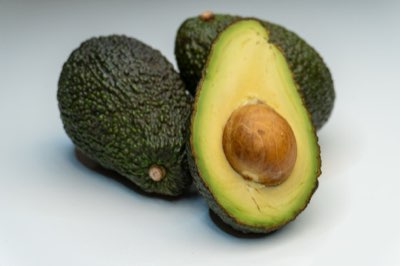
When you consume carrots or sweet potatoes, adding a small amount of olive oil or avocado oil significantly enhances how much of that beta-carotene actually enters your system.
These techniques use controlled heat to soften fibers without the heavy water loss seen in boiling.
While boiling is fast, it often results in water-soluble vitamins like B and C escaping into the cooking liquid.
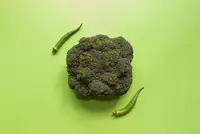
I have noticed that when I switch from boiling broccoli to light steaming, the vibrant green color stays intact, and the texture remains crisp. This simple change ensures that the vitamins stay within the vegetable itself rather than being poured down the drain.
How can I cook to keep all the nutrients?
A heavy pot of water begins to bubble on a gas stove, sending steam swirling toward the ceiling. Using specific cooking tips for nutrient retention involves managing the duration and temperature of heat application to prevent the degradation of sensitive compounds.
For most autumn vegetables, the goal is to reach a state of tenderness without reaching a state of mushiness. Overcooking can break down the cellular structure too much, leading to a loss of texture and a significant reduction in antioxidant levels.
| Method | Nutrient Impact |
|---|---|
| Steaming | High retention |
| Boiling | High leaching |
I prefer using the steaming method because it provides a consistent way to check for doneness without submerging the food. This approach is a reliable way to ensure that the nutritional profile remains as close to the raw state as possible.
What is the best way to store autumn vegetables?
I reach into the chilly cellar at dusk to wrap the kale in damp cloth, hoping to boost its freshness.
A person reaches into a cold refrigerator, grabbing a bunch of kale wrapped in a damp paper towel. Finding the best ways to store autumn vegetables requires understanding how moisture and air circulation affect the longevity of seasonal greens.

Most fall vegetables, especially leafy greens and cruciferous varieties, thrive in environments with moderate humidity. If the air is too dry, the vegetables will wilt and lose their vitamin density; if it is too wet, they may succumb to mold.
- Wrap leafy greens in a breathable cloth or paper towel. 2. Place vegetables in a sealed container or specialized produce drawer. 3. Check for signs of decay every few days to prevent spreading.
After completing these steps, verify that the vegetable feels firm to the touch and lacks any slimy residue. Proper storage ensures that the nutrients you worked hard to preserve during cooking remain available until the moment of consumption.
Enhance vegetable nutrient absorption
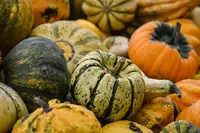
The scent of roasted squash fills the air as a tray is pulled from the oven, the golden edges glistening under the kitchen lights. To enhance vegetable nutrient absorption, you must consider the synergy between different food components.
Beyond just adding fats, certain combinations can unlock specific benefits. For example, eating colorful vegetables alongside foods that contain healthy fats or even certain fermented foods can change the bioavailability of the minerals present in the harvest.
Maximizing vitamin intake from seasonal produce is a cumulative process. It involves selecting the right vegetables, preparing them with care, and storing them correctly to ensure that every bite contributes to your overall nutritional goals.
- Many vitamins, particularly those labeled A, D, E, and K, need a fatty substance to be taken up by the human body.
- Cooking methods for high nutrient fall veggies often involve steaming or light sautéing.
The subject here is Boost veggie nutrient uptake.
The same subject is also called How to absorb more from fall greens.
This part also covers Storage techniques to keep veggie nutrients high.
Cooking methods for high nutrient fall veggies
Related
What are the conditions for optimal veggie nutrient boost?
- The cooking method must minimize water exposure to retain water-soluble vitamins. 2. The storage environment must balance moisture to prevent both wilting and mold growth. 3. The preparation must incorporate healthy fats when consuming fat-soluble vegetables to facilitate absorption.
These conditions work together to ensure the veggie nutrient boost is realized from harvest to plate. A cook must manage heat application carefully, as discussed previously, to meet these requirements.
According to the CDC, there are various strategies for fruit and vegetable voucher incentives and produce prescriptions.
When comparing preparation techniques, steaming offers a superior veggie nutrient boost over boiling because it restricts nutrient migration into the cooking medium. This caution regarding water loss is critical for maximizing the benefit of the veggie.
For the veggie nutrient boost to be substantial, the initial selection of seasonal produce plays a role, as does the final storage method, which keeps the preserved nutrients accessible.
How does fat pairing affect the veggie nutrient boost?
- Fat-soluble vitamins require a lipid medium for proper absorption by the body. 2. Pairing colorful vegetables with oils, such as olive or avocado oil, significantly increases the amount of beta-carotene that enters the system. 3. This synergy between food components is key to the overall veggie nutrient boost.
When considering the veggie nutrient boost, the type of fat used matters because it influences the bioavailability of minerals. Certain combinations, like those involving fermented foods alongside healthy fats, can alter how the body utilizes the nutrients from the harvest.
This consideration adds another layer to maximizing the veggie nutrient boost.
Maintaining the veggie nutrient boost involves recognizing that the preparation method and the food pairing are inseparable aspects of the process. The initial selection of seasonal produce sets the stage for the final nutritional outcome.



Comments 0