Soluble vs Insoluble Fiber: How to best guide digestion tips
"Fiber is not a single substance, but a complex group of carbohydrates that the body cannot digest, serving as the essential architect of digestive regularity and metabolic health."
* Soluble fiber helps regulate heart disease risk when consumed in specific amounts. * Insoluble fiber provides the bulk necessary for regular bowel movements. * The British Nutrition Foundation recommends a minimum daily intake of 30 grams for healthy adults. * Specific quantities of psyllium husk or beta-glucans are required to support certain health claims.
How does soluble vs insoluble fiber affect the body?
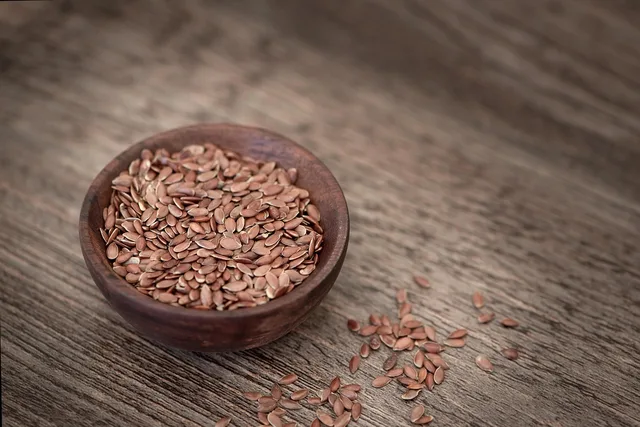
At the kitchen table, he stirs the oats into warm water and feels the soluble texture thicken into a smooth gel.
The FDA provides guidance on the general roles of soluble vs insoluble fiber.
A person sits at a kitchen table, stirring a spoonful of oats into a warm bowl while contemplating the nutritional labels on their morning meal. The distinction between these two categories lies in how they interact with water and the digestive process.
Soluble fiber dissolves in water to form a gel-like substance, which can slow digestion and assist in metabolic regulation. In contrast, insoluble fiber does not dissolve, instead providing the structural bulk that helps food pass more quickly through the stomach and intestines.
Improving bowel function often requires a synergy of both types to ensure both regularity and nutrient absorption.
This specific distinction highlights how different fiber types serve unique physiological roles.
What are the specific roles of digestive fiber types?
A gardener pulls thick, fibrous stalks from the soil, feeling the rough texture that characterizes many plant-based sources. Understanding the roles of digestive fiber types involves recognizing how they manage waste and stabilize energy.
The British Nutrition Foundation discusses the specific roles of digestive fiber types.
Soluble fiber is often linked to prebiotic fiber benefits, as it serves as a food source for beneficial gut bacteria. Meanwhile, insoluble fiber acts as a mechanical cleanser for the intestinal walls.
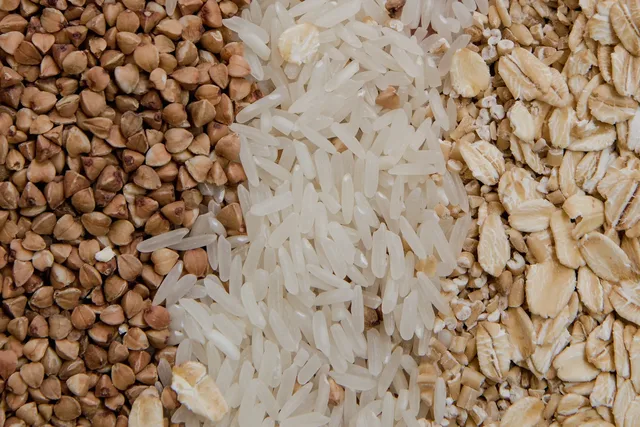
Using these fiber types effectively ensures that the gut maintains a healthy environment for microbial life.
The British Nutrition Foundation issued a statement in 2018 to define dietary fiber more concisely and list the potential health benefits established to date. This update also increased the recommended daily minimum intake to 30 grams for healthy adults.
How can I improve bowel function with fiber?
A person walks through a local grocery store, carefully selecting whole grains, legumes, and leafy greens to fill their basket. Improving bowel function requires a deliberate and gradual approach to dietary changes.
To integrate these components into your life, follow these steps:
- Select whole food sources such as oats, barley, or psyllium husk to ensure a variety of fiber types. 2. Increase your daily intake slowly to allow the digestive system to adapt to the increased bulk. 3. Maintain high hydration levels to assist the movement of both soluble and insoluble fibers through the tract.
After completing these steps, check your regularity and comfort levels to ensure the transition is smooth. I found that adding oats to my breakfast was a simple way to meet these requirements without feeling overwhelmed by dietary changes.
How does gut health with fiber work?
A researcher examines a microscopic slide, observing how various compounds interact with cellular structures in a controlled environment. Maintaining gut health with fiber involves the complex interaction between undigested carbohydrates and the microbiome.
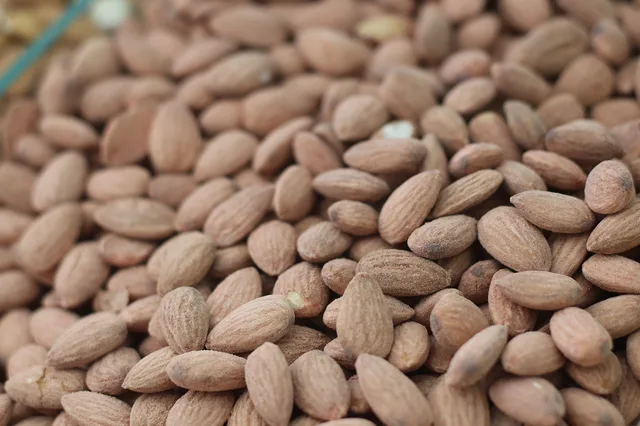
The presence of soluble fiber can influence how the body processes energy and manages lipids. Because different fibers interact with the gut in different ways, a diverse intake is necessary for a balanced internal ecosystem.
This diversity is a key component of how fiber aids digestion over the long term.
The FDA released further guidance in 2018 on the labeling of isolated or synthetic dietary fiber to clarify how different types of dietary fiber should be classified. This ensures that consumers can distinguish between natural food sources and processed additives.
What are the limitations of fiber health claims?
A scientist reviews a stack of clinical reports, noting where data is robust and where it remains inconclusive. While many people seek out specific products for health benefits, it is important to recognize the boundaries of current science.
According to the FDA, there is limited scientific evidence to support the claim that regular consumption of certain fibers may reduce the risk of heart disease.
According to The British Nutrition Foundation, the totality of available evidence suggests that saturated fatty acids should comprise no more than 10% of total dietary energy.
The FDA has concluded that there is limited scientific evidence for some specific health claims regarding fiber. This means that while fiber is undeniably beneficial, the direct link between certain isolated fibers and specific disease prevention is not always fully established.
| Fiber Source | Required Amount per Serving | Potential Health Claim |
|---|---|---|
| Psyllium Husk | 1.7 g | Reduce heart disease risk |
| Oat or Barley (Beta-glucans) | 0.75 g | Reduce heart disease risk |

- Understanding the differences between soluble vs insoluble fiber is essential for anyone looking to optimize their digestive wellness and long-term heart health.
- This guide explains how these two categories function differently within the gastrointestinal tract and provides specific intake targets for healthy adults.
- You should focus on balancing these types while remaining aware that scientific evidence for certain specific health claims remains limited according to some regulatory bodies.
The same subject is also called Fiber role in gut health.
Related
What is the fundamental difference between fiber types?
- Fiber is not a single substance, but a complex group of carbohydrates that the body cannot digest. 2. Soluble fiber functions by dissolving in water to create a viscous, gel-like structure within the digestive tract. 3. Insoluble fiber, conversely, maintains its structure when mixed with water, providing physical mass. 4. This structural difference dictates how each type influences the rate of digestion and the intestinal transit time.
How does fiber interact with the gut microbiome?
- Soluble fiber acts as a substrate, meaning it provides food for the beneficial bacteria residing in the intestines. 2. The resulting fermentation process from this food source contributes to the overall metabolic regulation supported by fiber. 3. Insoluble fiber contributes mechanically by adding bulk, which helps sweep waste material through the system. 4. A balanced intake ensures that both the microbial environment and the physical cleansing action of the gut are supported by fiber.
Disclaimer: This article is general information, not medical advice. Consult a qualified healthcare professional before taking any supplement or medication.



Comments 0