Balancing Fats: MUFAs vs. PUFAs for Peak Nutrition Intake
"The secret to a healthy heart often lies in the quality of the fats we choose to put on our plates."
Understanding the difference between a "bad" fat and a "good" fat is the first step toward mastering your nutrition. While many people fear fats entirely, the truth is that our bodies require specific fatty acids to function, maintain cell membranes, and absorb vitamins.
* Avocados are a concentrated source of healthy fats, primarily monounsaturated fats. * Monounsaturated fats, such as oleic acid, make up a significant portion of an avocado's energy. * Learning to balance monounsaturated fats with polyunsaturated fats is key to a healthy dietary profile.
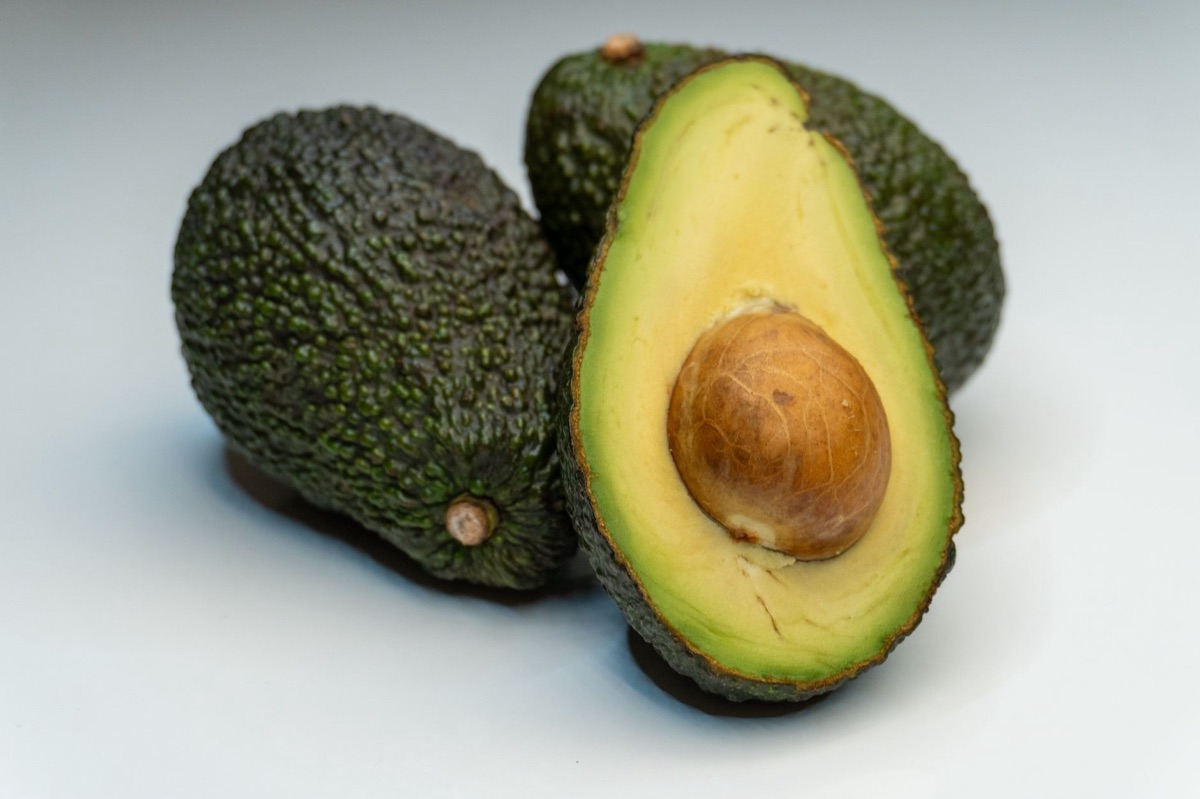
Why is avocado oil so unique? I remember standing in a crowded grocery aisle in Austin last Tuesday, staring at a wall of various oils, wondering which one would actually survive a hot pan without turning rancid. It was then that I realized how much we rely on the chemical stability of our fats.
Avocados are essentially nature's way of packaging energy through fats. According to USDA data, approximately 75% of an avocado's total energy comes from fat. While that might sound high to someone on a low-fat diet, the composition of that fat is what makes it special.
Most of that fat—specifically 67% of the total fat content—is monounsaturated fat in the form of oleic acid. This specific fatty acid is the same heart-healthy component found in olive oil, providing a dense source of nutrition that the body can utilize efficiently.
| Nutrient Component | Composition Detail |
|---|---|
| Primary Energy Source | Fat (approx. 75% of total energy) |
| Dominant Fatty Acid | Oleic Acid (Monounsaturated) |
| Percentage of Total Fat | 67% Monounsaturated |
Because of this high concentration of oleic acid, avocado oil often serves as a more stable alternative to other oils when heat is involved. This unique profile makes it a powerhouse for both direct consumption and culinary applications.
But why does that chemical structure matter so much when the stove is turned on?
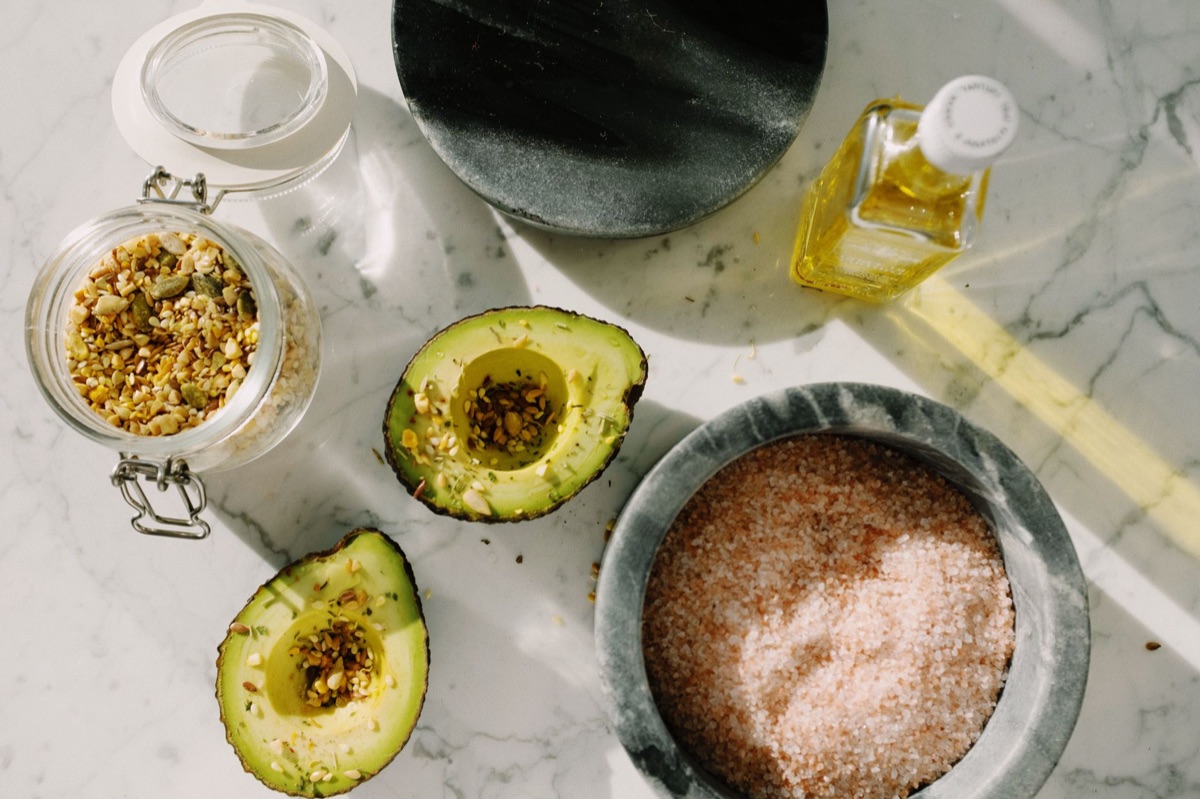
The Science of Unsaturated Fats: Why They Matter
In a quiet corner of a local cafe, I once watched a nutritionist explain to a client that not all fats are created equal; some are built for stability, while others are built for rapid biological response.
To understand why avocado oil is beneficial, we have to look at the distinction between Monounsaturated Fatty Acids (MUFAs) and Polyunsaturated Fatty Acids (PUFAs).
MUFAs, like the oleic acid in avocados, are generally more stable because they contain only one double bond in their chemical structure. This makes them less prone to oxidation when exposed to heat or air.
In 2025, as more home cooks experiment with high-heat air fryers, understanding this stability is more relevant than ever.
In contrast, PUFAs contain multiple double bonds. While essential, they can be more sensitive to environmental factors. For example, flax oil is a much higher source of Alpha-Linolenic Acid (ALA), containing between 30% and 50% ALA.
While ALA is a vital polyunsaturated fat, it requires different handling than the monounsaturated fats found in avocados. The body uses these fats for different purposes: MUFAs often support cardiovascular health and satiety, while certain PUFAs are critical for brain function and cell signaling.
Balancing these two types is the cornerstone of a well-rounded lipid profile. However, knowing the science is only half the battle; you also have to know how to shop for it.
How do other fats compare? Walking through a local farmer's market, you see a massive variety of oils—canola, soybean, flax, and sunflower—each offering a different chemical fingerprint.
When we look at the broader spectrum of fats, we see how much variety exists in the plant kingdom. For instance, vegetable oils like soybean oil contain about 7.8% ALA, while canola oil contains approximately 9.2% ALA.
These are important sources of polyunsaturated fats, but they serve a different dietary role than the monounsaturated-heavy avocado.
In a typical 2026 grocery run, you might see prices for premium avocado oil ranging from $12 to $22 per bottle, making it a significant investment compared to standard vegetable oils.
It is also important to acknowledge that access to these high-quality fats is not universal. The UN Food and Agriculture Organization estimated that in 2023, roughly 40% of the world's population—about 2.8 billion people—could not afford a healthy diet.
This global gap means that while we discuss the nuances of oleic acid versus ALA, many people struggle to access any consistent source of healthy fats at all.
Understanding these differences is a luxury of availability, but it is essential for those of us looking to optimize our health within our means. But how do you actually use this knowledge in your own kitchen?
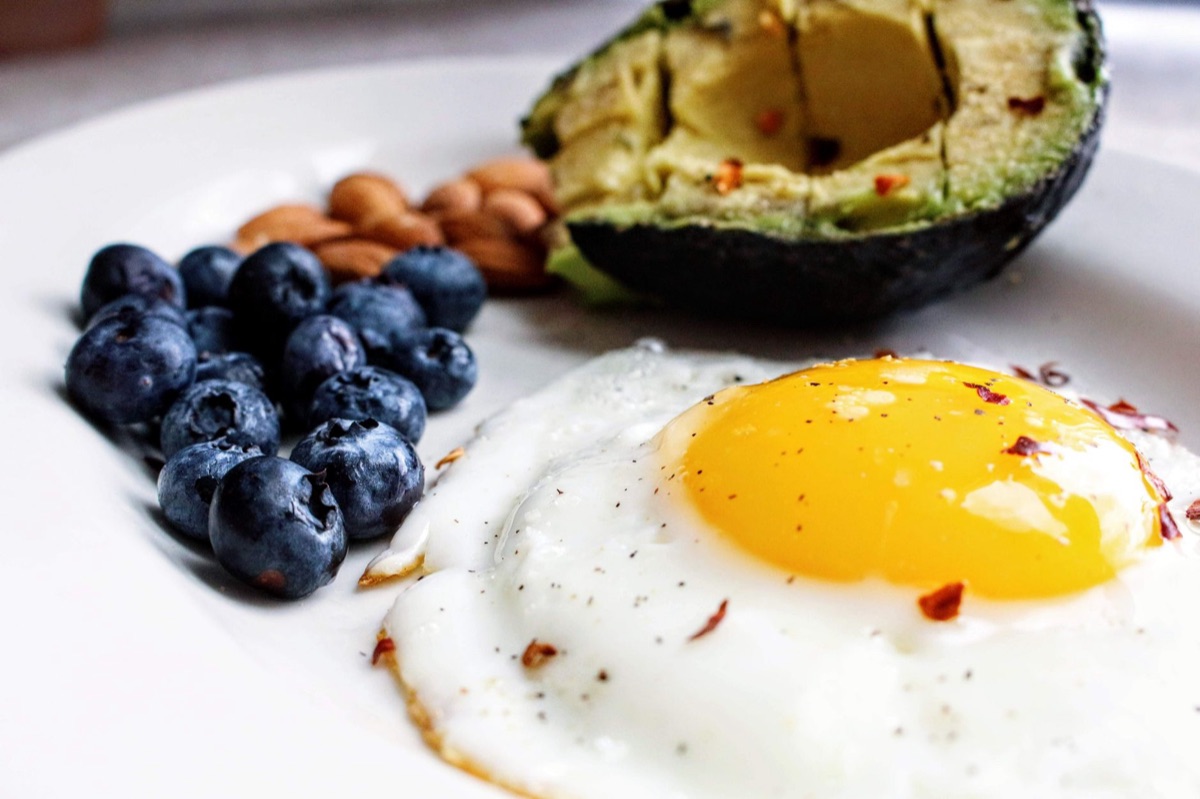
Maximize Nutrient Intake: Cooking & Storage Tips
I recently tried searing a salmon fillet in avocado oil at a high temperature, and the way the oil held up without smoking prematurely was a revelation for my kitchen routine. It stayed clear and didn't produce that acrid smell that often happens with cheaper oils.
To get the most out of your healthy fats, you must match the oil to the cooking method. Because avocado oil has a high smoke point, it is excellent for sautéing, roasting, or searing.
Using a high-stability fat like avocado oil for high-heat tasks helps prevent the formation of harmful compounds that occur when oils oxidize.
To maximize your nutritional intake, follow these steps:
- Match Heat to Stability: Use avocado oil for high-temperature cooking (searing, frying) and use lower-smoke-point oils like flaxseed oil for cold dressings or low-heat applications.
- Store in Cool, Dark Places: To prevent rancidity, especially in PUFA-rich oils like flax or soybean oil, keep them in airtight containers in a cool, dark pantry or even the refrigerator.
- Control Portion Sizes: While healthy, fats are calorie-dense. Use a measuring spoon rather than pouring directly from the bottle to maintain caloric balance.
- Pair with Micronutrients: Combine your healthy fats with vegetables. Many vitamins, such as Vitamins A, D, E, and K, are fat-soluble, meaning your body needs these fats to absorb them from your salad or cooked greens.
While following these steps can transform your meals, there are limits to how much one person can optimize.
*Note: While healthy fats are a vital part of a balanced diet, individuals with specific medical conditions or allergies should consult a healthcare professional before making significant dietary changes. This information is for educational purposes and does not constitute medical advice.
Furthermore, the health benefits of specific oils can vary based on an individual's total caloric intake and overall dietary pattern.*






Comments 0