Chicken Breast: Maximize Protein Density Per 100g Intake
"Eating healthy shouldn't feel like a chore, but sometimes that chicken breast on your plate feels more like a chore than a meal."
If you've ever struggled with dry, rubbery chicken that makes you want to skip your protein goals, you aren't alone. The secret to maximizing nutrition isn't just about the amount of meat you eat, but how you manage moisture and heat during cooking.
* Understand how heat changes protein structure to prevent dryness. * Learn to differentiate between cuts like tenderloin and breast for better texture. * Master moisture-retention techniques like brining and resting. * Identify potential food safety risks to ensure your protein is clean.
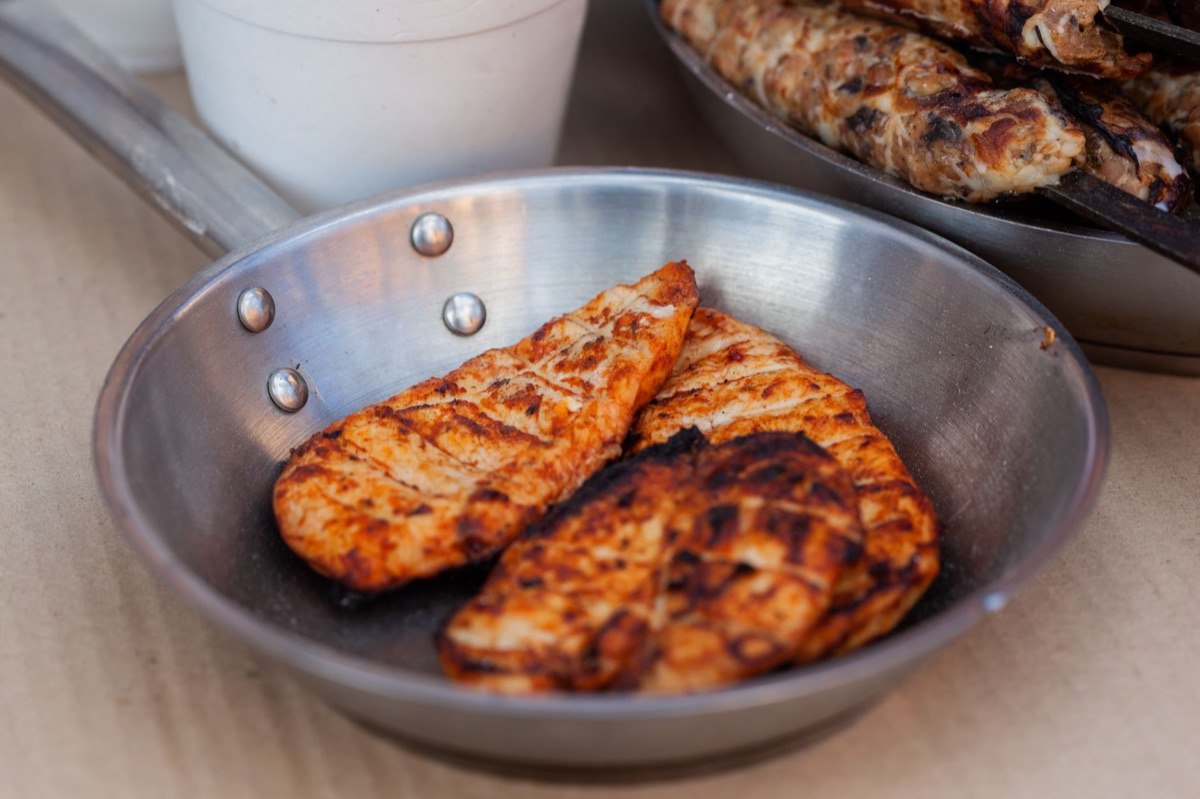
Why is chicken breast the ultimate fitness staple?
It is 6:30 AM on a Tuesday, and you are standing in your kitchen, staring at a vacuum-sealed pack of chicken breast. You grab your cutting board, feeling the weight of the meat, knowing this is your fuel for a heavy lifting session later today.
You wonder why this specific cut has become the universal symbol of health and discipline.
Chicken breast is a global powerhouse for anyone looking to build muscle or manage body fat. It offers a high concentration of protein with minimal fat, making it an efficient tool for body recomposition. However, simply eating it isn't enough to get the most out of your investment.
The way you select your meat and the temperature you cook it at changes how much protein your body actually absorbs and how much you enjoy the meal. For many, the biggest obstacle is the dreaded "dryness." This isn't a protein problem; it is a water-management problem.
How protein-dense and nutritious is it? You place a raw chicken breast on a digital kitchen scale, watching the numbers climb to 250 grams. As you prepare to cook it, you realize that the weight you see now won't be the weight you see on your plate after it hits the pan.
Understanding this transition is vital for accurate nutrition tracking.
Chicken breast is prized because it is almost pure protein. While other cuts might offer more flavor through fat, the breast provides the highest protein-to-calorie ratio. This makes it ideal for those tracking macros strictly.
Here is a breakdown of the typical nutritional profile for 100g of raw chicken breast:
| Nutrient | Amount (per 100g) | Characteristic |
|---|---|---|
| Calories | Approx. 105–120 kcal | Low calorie, high protein |
| Protein | Approx. 23–26 g | Essential for muscle synthesis |
| Fat | Approx. 1–2 g | Very low fat content |
| Carbohydrates | 0 g | Zero carb profile |
| Moisture | Approx. 70–75% | Subject to loss during cooking |
While the protein density is high, the high water content is a double-edged sword. If you lose too much water during cooking, the protein becomes concentrated but the texture becomes unpalatably tough. The goal is to balance protein intake with moisture retention.
But how do you stop the meat from turning into a desert on your plate?
The science of dryness: How cooking changes nutrition
You slice into a freshly cooked chicken breast, expecting a juicy center, but the knife meets resistance and the meat falls apart in dry, splintery chunks. There is no juice on the cutting board, only a sense of disappointment. In that moment, you realize the texture has fundamentally changed.
When you apply heat, proteins undergo a process called denaturation. The muscle fibers in chicken contract, squeezing out the water held within the cells. If the heat is too high or applied for too long, the fibers tighten so much that they become tough and rubbery.
Understanding different cooking methods can help you control this process:
- Steaming or Poaching: These methods use gentle, moist heat to prevent the fibers from tightening too aggressively. It is one of the best ways to keep the meat tender, though you must be careful not to overcook it in the liquid. 2. Grilling or Pan-Searing: These methods create flavor through the Maillard reaction—the browning of the meat. However, the high heat can cause rapid evaporation of moisture. The trick is to sear the outside quickly while keeping the inside juicy. 3. Sous-vide: This involves cooking meat in a temperature-controlled water bath. It is the gold standard for precision, as it allows you to cook the meat to the exact internal temperature needed to denature proteins without losing excessive moisture.
Mastering chicken is essentially a battle between heat and hydration. But choosing the right part of the bird is just as important.
Which cut is right for my goals? You stand in the meat aisle of a local grocery store, looking at various packages of poultry. Some breasts are thick and wide, while others are slim and tapered. You wonder if the shape of the meat impacts the nutrition or the eating experience.
Not all "chicken breast" is created equal. Even within a single bird, the muscle density and fat content vary significantly.
* Tenderloin vs. Breast: The tenderloin (the small strip of meat often tucked inside the breast) has much shorter muscle fibers. This makes it naturally more tender and easier to digest, even though it is still a high-protein cut. * The Sternum Area: The meat closer to the bone is often denser and has a thicker grain. While it is very high in protein, it is also the most prone to becoming dry if not handled correctly. * Skin-on vs. Skinless: Removing the skin significantly cuts calories and fat. However, the skin acts as a natural insulator during cooking. If you are cutting calories, you should remove the skin but use other techniques to prevent dryness.
Use this guide to pick your cut based on your specific needs:
| Goal | Recommended Cut | Reason |
|---|---|---|
| Strict Calorie Cutting | Skinless Breast | Lowest fat and highest protein density |
| Maximum Tenderness | Chicken Tenderloin | Shorter fibers lead to better texture |
| Flavor & Moisture | Skin-on Breast | Natural fats help prevent drying during cooking |
Even with the right cut, you still need a plan for the kitchen.
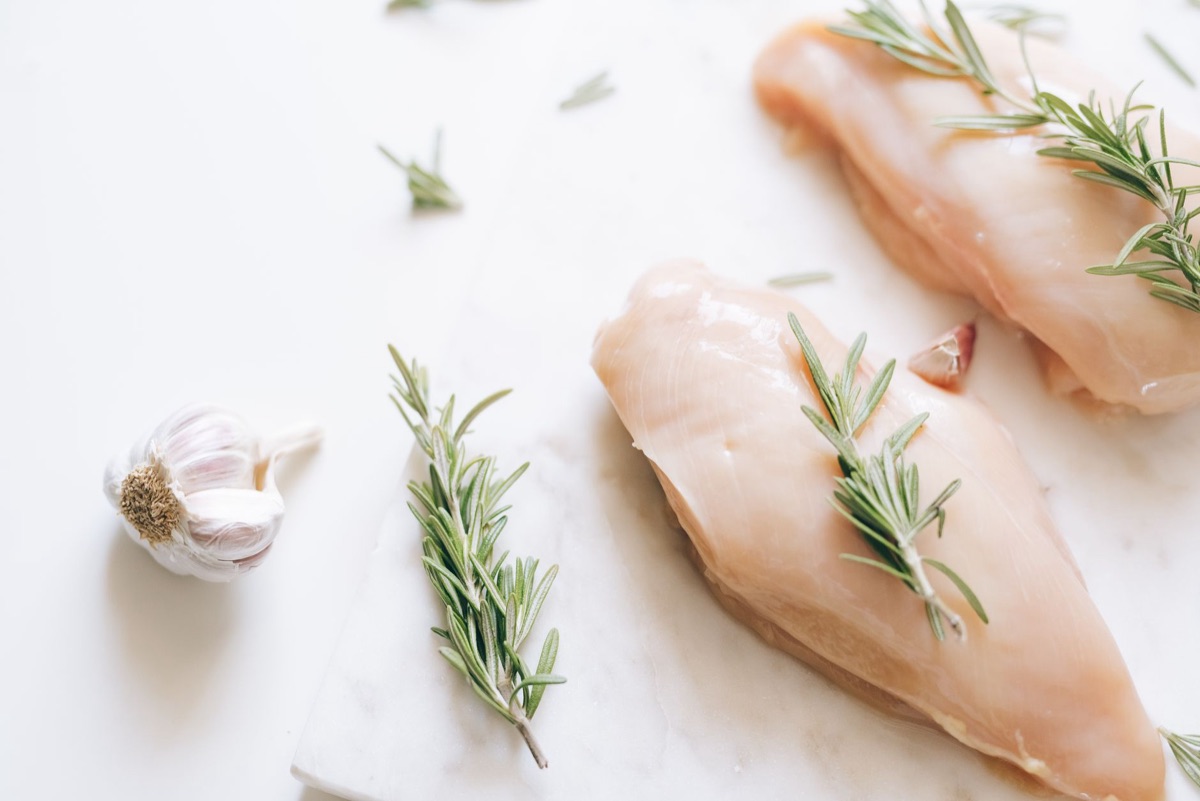
Practical tips to prevent nutrient loss and dryness
You look at your plate after cooking and realize the 200g piece of chicken you started with has shrunk to 150g. It feels like you've lost a significant portion of your meal just by turning on the stove. This weight loss is almost entirely water, and it changes how you experience the protein.
To maximize your protein efficiency, follow these three strategies:
- Utilize Brining: Soak your chicken in a light saltwater solution before cooking. The salt helps the muscle fibers hold onto more water, resulting in a much juicier finished product. 2. Control Temperature and Rest: Never slice your meat immediately after taking it off the heat. Let the chicken "rest" for five to ten minutes. This allows the juices to redistribute throughout the fibers rather than spilling out onto the plate. 3. Use Acidic Marinades: Incorporating lemon juice or vinegar can help tenderize the protein fibers. It also adds flavor without needing heavy, calorie-dense sauces.
The most important rule is to avoid overcooking. Once the meat reaches its safe internal temperature, remove it from the heat immediately. Excessive heat is the primary cause of "rubbery" protein.
Risks of excessive intake and food safety
You sit down at the table, looking at a large portion of chicken, and wonder if eating this much is actually healthy. While protein is essential, consuming excessive amounts can lead to unintended consequences for your body.
According to the Physicians Committee for Responsible Medicine, random surveys of chicken products across the United States in 2012 found 48% of samples to contain fecal matter.
In a 2013 sample conducted by the Johns Hopkins School of Public Health, 70% of chicken meat samples from producers that did not prohibit roxarsone exceeded the safety limits set by the FDA.
While protein is vital, it is not a "the more, the better" food. High protein intake can put extra strain on your kidneys, as the nitrogen byproducts of protein metabolism must be processed by the kidneys.
Additionally, a diet too heavily focused on chicken often lacks essential dietary fiber, which can lead to digestive issues.
It is also vital to consider food safety and the quality of your source.
* Kidney Health: If you have pre-existing kidney issues, you must consult a doctor regarding high-protein diets. * Fiber Deficiency: Always pair your chicken with vegetables to maintain digestive health. * Food Safety Standards: In 2012, random surveys of chicken products across the United States conducted by the Physicians Committee for Responsible Medicine found that 48% of samples contained fecal matter. * Chemical Residues: In a 2013 sample conducted by the Johns Hopkins School of Public Health of chicken meat from poultry producers that did not prohibit roxarsone, 70% of the samples in the US had levels which exceeded the safety limits as set by the FDA.
Always prioritize fresh, high-quality meat and follow proper hygiene to mitigate these risks.



Comments 0