Blueberries: 3 Ways to Maximize Antioxidant Health Benefits
"Tiny spheres of deep purple vitality: exploring the antioxidant science of the blueberry."
Blueberries are much more than a simple snack; they are a concentrated source of anthocyanins, powerful antioxidant compounds. This guide explores how these pigments work within the body and why these small fruits deserve a permanent spot in your pantry.
* The role of anthocyanins as a cellular shield * Research regarding cardiovascular health and cognitive function * Practical tips for selection, storage, and nutrition preservation
How do these deep purple spheres revitalize the body?
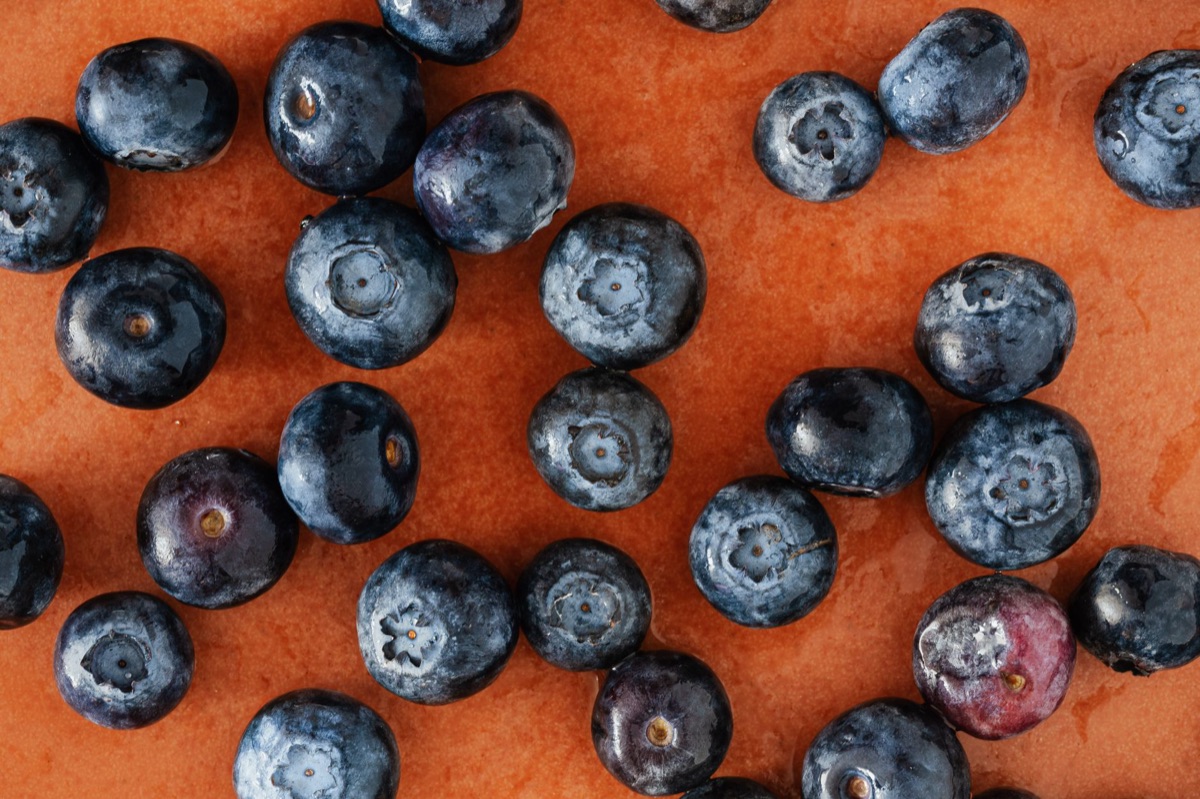
Early in the morning, sitting at a kitchen table as the cool air drifts through the room, you reach for a bowl of freshly washed blueberries. The cold, smooth texture against your fingertips and the thin, waxy bloom on the skin indicate peak freshness.
As you pop one into your mouth, the skin snaps, releasing a burst of sweet-tart juice that coats your tongue in deep purple pigment.
Blueberries are berries that typically measure between 5 and 16 mm in diameter. They transition from a pale greenish hue to a reddish-purple before finally turning a uniform blue when fully ripe. This striking color is the visual evidence of high anthocyanin content.
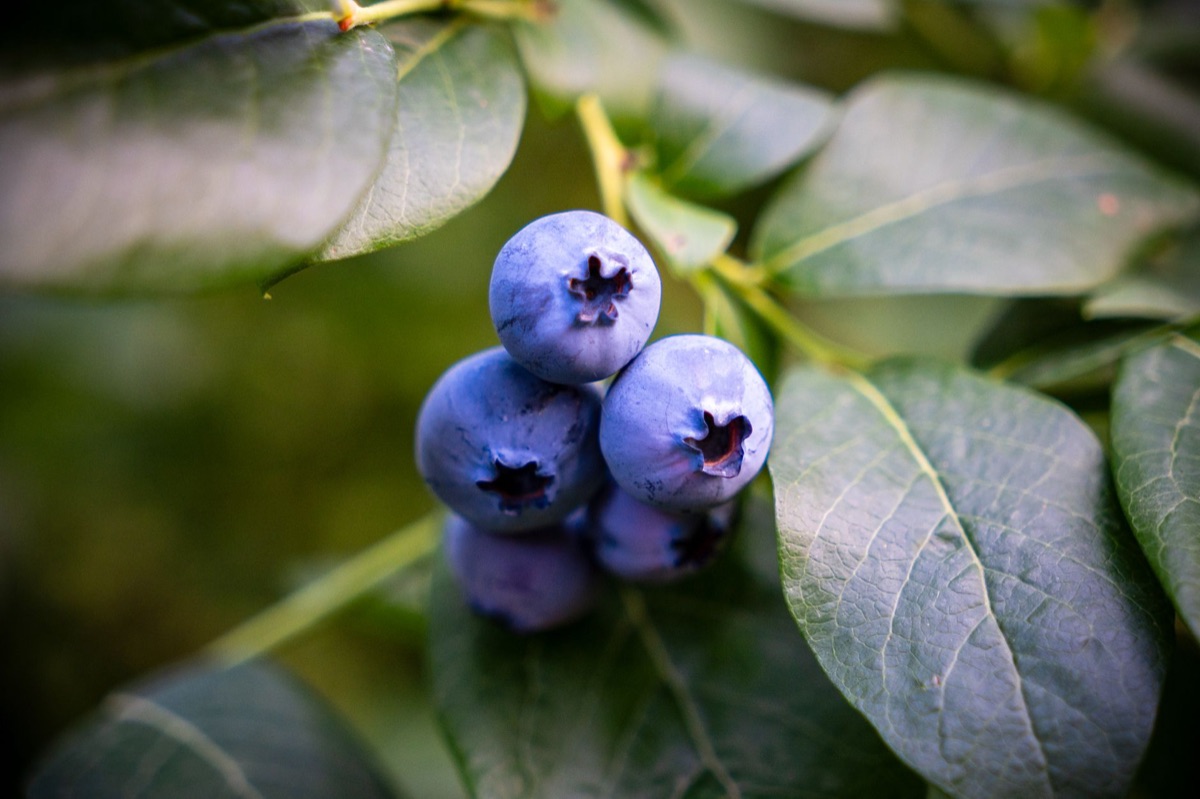
Botanically, blueberries grow as prostrate shrubs that can vary significantly in size, ranging from 4 inches to as tall as 13 feet. Their leaves can be shaped like an egg or a lance, measuring between 0.5 and 3.25 inches long and 0.2 to 1.38 inches wide.
When I first tried a handful of wild blueberries in a local market, I was struck by how much more intense the flavor was compared to the larger supermarket varieties. It was a tiny, flavorful revelation.
These natural wonders have become a staple in kitchens across the globe. The nutritional value of these tiny fruits goes far beyond their flavor.
In the next section, we will look at specific data regarding how these core components interact with our biology.
How do anthocyanins act as a shield for our cells?
In the middle of a busy afternoon, sitting at a desk and leaning into a heavy workload, you might notice your eyes feeling strained or your mind feeling slightly foggy. In those moments, a handful of blueberries might do more than just satisfy a craving.
The anthocyanins that give blueberries their dark color are compounds plants produce to protect themselves from environmental stress. In the human body, these compounds work to neutralize free radicals, helping to prevent cellular damage.
Scientific research suggests that regular consumption of blueberries and anthocyanins can lead to various health benefits.
According to Advances in nutrition (2020), epidemiological studies associate regular, moderate intake of blueberries and/or anthocyanins with reduced risk of cardiovascular disease, death, and type 2 diabetes, and with improved weight maintenance and neuroprotection.
There is also compelling evidence regarding cognitive health. According to The American journal of clinical nutrition (2023), enhanced immediate recall on the auditory verbal learning task, alongside better accuracy on a task-switch task, was found following WBB treatment compared with placebo.
This suggests that berry consumption may provide a measurable boost to brain health and mental agility. If these benefits are so significant, how can we consume them most efficiently?
Signals for cardiovascular health
Walking through a park after dinner, you might think about how the food you eat impacts the internal systems that keep you moving. Your vascular system is the highway of your body, delivering nutrients to every cell, making its health a fundamental pillar of longevity.
The antioxidant properties of blueberries are closely tied to supporting healthy blood vessel function. Maintaining clear, elastic vessels is essential for systemic wellness.
Research published in Nutrients (2022) shows that plasma NO2- levels were improved by 68.66% and 4.34% separately following whole blueberry and blueberry powder supplementations compared to the baseline, whereas the control supplementation reported a decrease of 9.10%, although it was not statistically significant.
This indicates that blueberry consumption can influence biological markers related to vascular health. Weight management is another area of active study.
According to Complementary therapies in medicine (2020), significant weight loss was indicated from studies longer with a follow up of more than 6 weeks or with blueberry powder or freeze-dried blueberry.
With such a wide range of benefits, how do you choose the right fruit for your needs?

How to choose and eat them wisely
Standing in the produce aisle of a local grocery store, it is tempting to grab the largest, most perfect-looking container of berries. However, for maximum nutrition, you need to look beyond the surface and understand the different varieties.
Blueberries are generally categorized into two types: Highbush and Lowbush. Highbush is the variety most commonly found in American supermarkets, while the wild Lowbush variety is often smaller but much more intensely flavored.
| Feature | Highbush Blueberry (Cultivated) | Lowbush Blueberry (Wild) |
|---|---|---|
| Primary Traits | Larger size and juicy texture | Smaller size and very intense aroma |
| Main Production | United States (29% of global highbush supply), British Columbia | Quebec (47% of wild production), Maine |
| Texture | Soft and fleshy | Firm with a distinct "pop" |
| Best Uses | Fresh eating, baking, salads | Jams, juices, dried snacks |
A guide to selection and consumption
To get the most out of your purchase, follow this simple checklist:
- Check for freshness: Look for berries with a consistent waxy bloom on the skin. They should be firm to the touch and free of any visible mold or soft spots.
- Match the variety to your goal: For baking or large fruit salads, the larger Highbush varieties are often preferred. For a concentrated burst of flavor in yogurt or oatmeal, Lowbulsh varieties are excellent.
- Wash carefully: Because anthocyanins are water-soluble, avoid soaking berries in water for long periods. Instead, rinse them quickly under cool, running water just before you plan to eat them.
Choosing the right variety changes the nutritional experience. But what should you watch out for when eating them?
Precautions and safe consumption
Looking at a beautiful bowl of blueberries on the breakfast table, it is easy to assume that more is always better. However, even the healthiest foods require a balanced approach.
Because blueberries are high in fiber, consuming very large amounts in one sitting can lead to digestive upset or loose stools. Additionally, those with specific allergies or those on certain medications should always consult a healthcare professional.
* Allergy Awareness: If you have a known allergy to berries, avoid consumption. * Sugar Content: While natural, blueberries do contain sugar. Those managing diabetes should monitor their portion sizes.
To wrap things up, here are some final tips for maximizing your blueberry intake.
Disclaimer: This article is general information, not medical advice. Consult a qualified healthcare professional before taking any supplement or medication.




Comments 0