Salmon guide: Wild vs farmed nutrition 100 tips
"The depth of the ocean brings a bounty of nutrition, but understanding the difference between wild and farmed varieties is essential for a balanced diet."
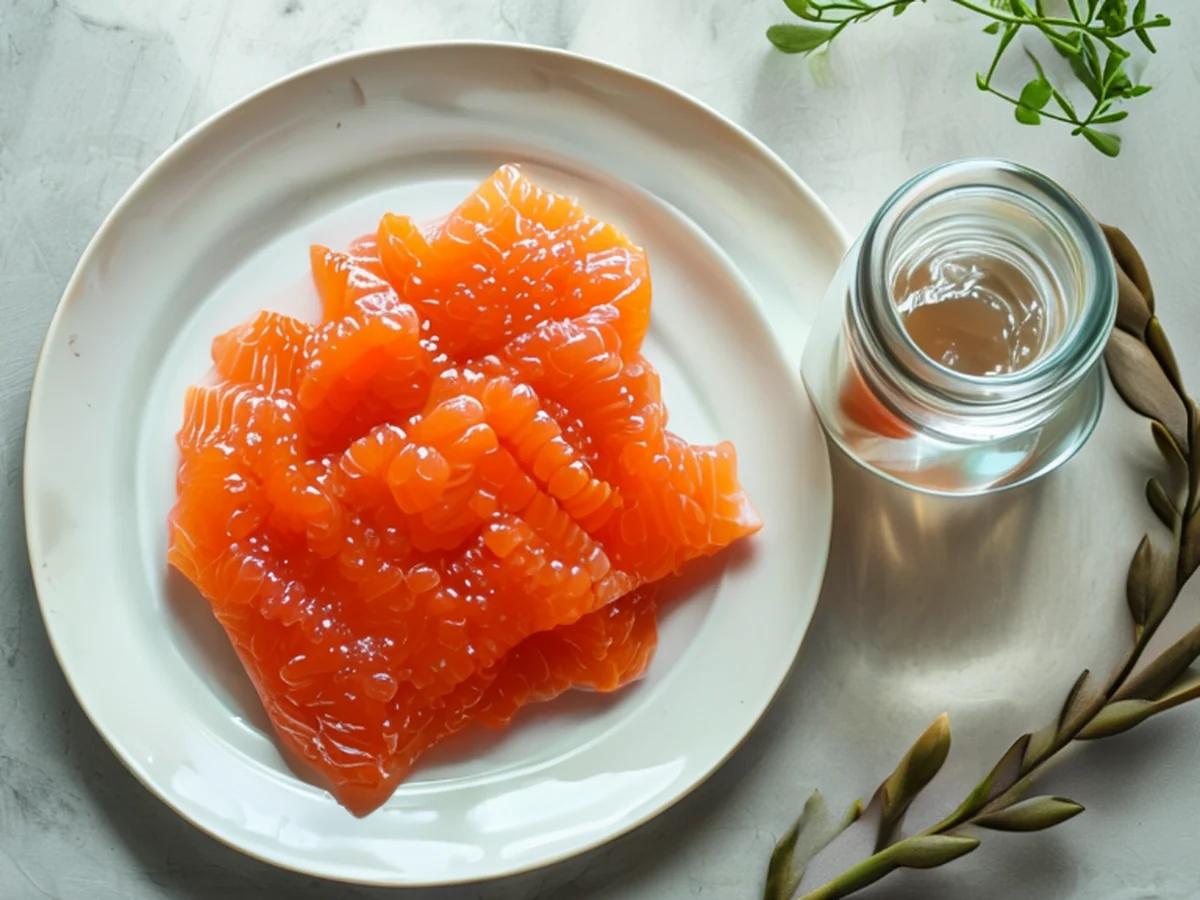
Key takeaways: 1. Farmed Atlantic salmon typically contains higher fat and protein content per 100 grams compared to wild varieties. * Wild Atlantic salmon offers a different profile, including vitamin A and folate. 2. Understanding these nutritional differences helps in tailoring meals to specific dietary needs.
What nutrients am I getting from salmon? At midnight in the dim kitchen, I press my thumb into the oily flesh to feel the dense salmon texture.
The salmon nutrient profile varies significantly depending on whether the fish is wild or farmed. According to USDA FoodData Central, raw farmed Atlantic salmon contains 208kcal of energy and 20.4g of protein per 100g.
In comparison, raw wild Atlantic salmon provides 142 kcal and 19.8g of protein per 100g.
The fat content in farmed salmon is notably higher at 13.4g per 100g, while wild salmon contains 6.34g of fat per 100g. I noticed during my own kitchen preparation that the farmed cuts felt much denser due to this higher fat content.
How do you use a salmon ingredient guide for selection?
A shopper stands in the seafood aisle, comparing two different packages of fish. Using a salmon ingredient guide helps clarify the differences in micronutrients between the two options.
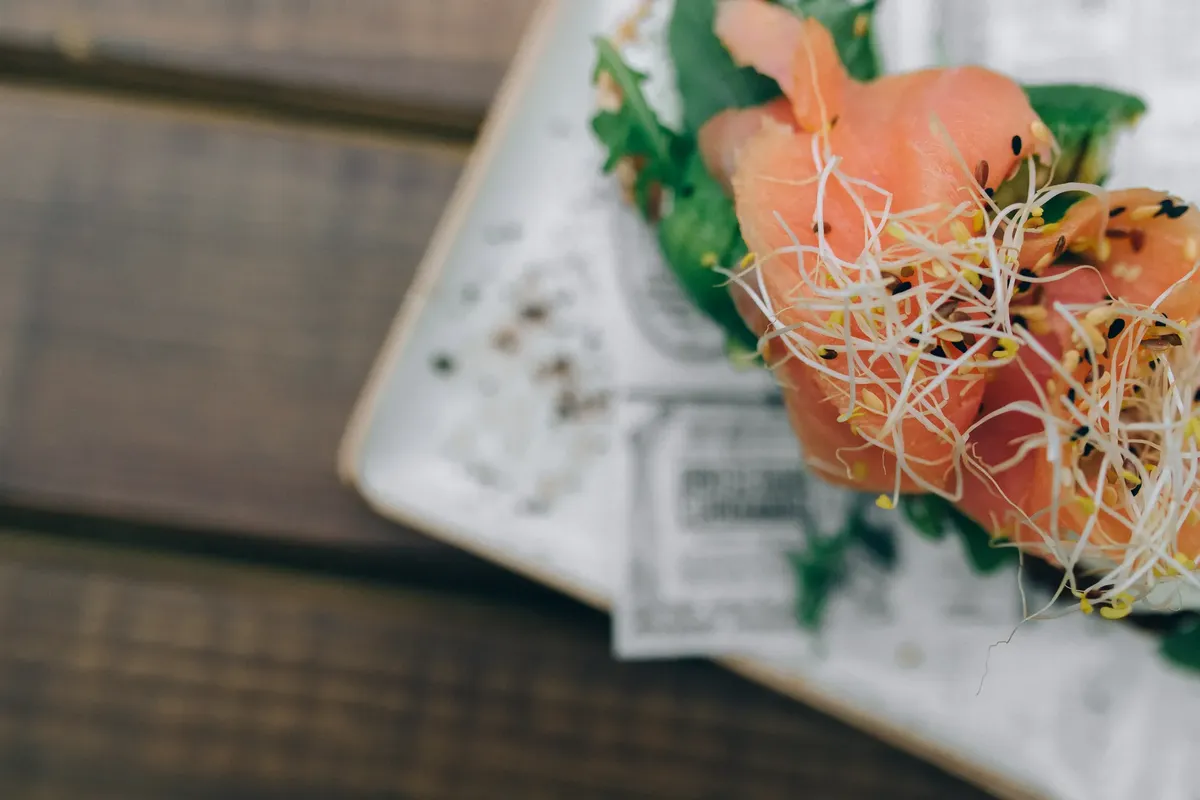
Farmed salmon provides 3.23ug of vitamin B12 and 363mg of potassium per 100g. Wild salmon provides 3.18ug of vitamin B12 and 44mg of sodium per 100g.
Wild salmon also contains 12ug of vitamin A and 25ug of folate per 100g. These specific vitamins and minerals make each variety suitable for different nutritional goals.
When is the best time for me to buy salmon? A person checks the freshness of a fillet by pressing it lightly with a finger. Choosing salmon by season often involves understanding the biological differences between farmed and wild-caught fish.
| Nutrient (per 100g) | Farmed Atlantic (Raw) | Wild Atlantic (Raw) |
|---|---|---|
| Protein | 20.4g | 19.8g |
| Fat | 13.4g | 6.34g |
The table above shows that farmed salmon has more fat, while the protein levels remain relatively close. This comparison is useful when planning calorie-controlled meals.
How to manage salmon mineral content?
A cook measures out spices to season a piece of fish before placing it in a pan. Managing salmon mineral content requires looking at specific elements like calcium, magnesium, and iron.

Farmed salmon offers 9mg of calcium, 27mg of magnesium, and 0.34mg of iron. Wild salmon provides 29mg of magnesium and 0.8mg of iron.
To select the best option, follow these steps: 1. Identify your primary nutritional goal, such as higher protein or higher fat. 2. Compare the micronutrient levels like vitamin B12 and iron. 3. Check the labels for the specific type of salmon to ensure it meets your needs. 4.
Verify the final nutritional data against your dietary requirements.
What are the limitations of these comparisons?
A researcher reviews data tables on a computer screen to ensure accuracy. A limitation of this data is that it only reflects the nutritional content of raw fish and does not account for changes during the cooking process.
According to Scientific reports, independent samples successfully validated the previous observation that tilapia sashimi has a significantly higher proportions of Pseudomonas compared to other fish sashimi (P = 0.0010).
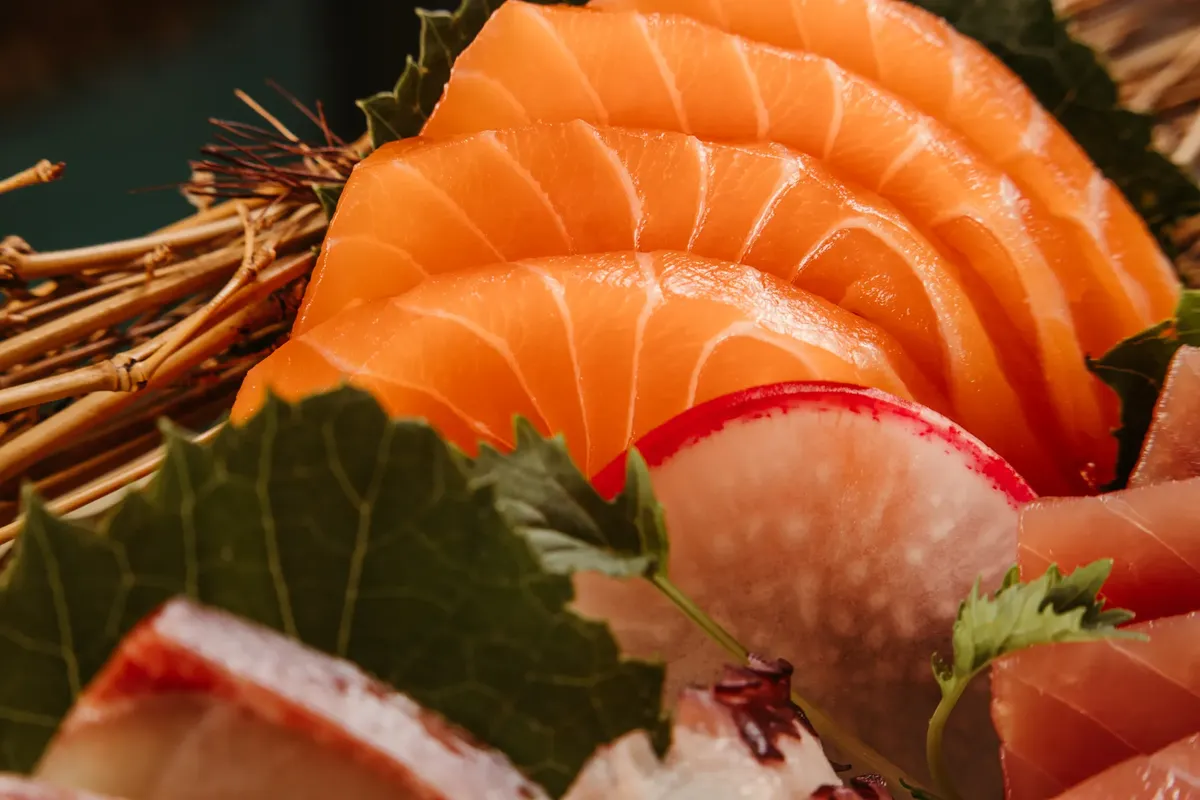
- This guide focuses on distinguishing between different types of Atlantic salmon to make informed dietary choices.
- This guide covers the specific nutrient profiles of farmed versus wild fish, provides a comparison of fat and protein levels, and outlines how to select quality cuts.
- A chef carefully slices a fresh fillet, noting the color and texture of the meat.
Salmon nutrition and season guide
The subject here is Salmon nutrition and season guide.
The same subject is also called Best time to buy salmon.
This part also covers Store salmon properly.
This part also covers Cook salmon recipes.
Related
How does the ocean affect the nutrient profile?
The ocean depth and environment contribute to the different nutritional compositions found in wild versus farmed varieties. Because wild salmon live in the ocean, they possess a different profile, including vitamin A and folate.
According to Chemosphere, Hg bound to beta-actin accounted for approximately 30.2-37.6% of the total Hg in the tuna muscles and was significantly correlated to total Hg in the fish muscles.
When comparing the two, the fat content in farmed salmon is 13.4g per 100g, whereas wild salmon contains 6.34g of fat per 100g. This difference in fat levels results in farmed cuts feeling much denser during preparation.
Should you prioritize protein or fat when selecting salmon?
Choosing between salmon types depends on whether you prioritize higher fat or protein content. If your goal is higher protein, you might compare the 20.4g in farmed salmon to the 19.8g in wild salmon.
If you are planning calorie-controlled meals, you should note that farmed salmon contains 208 kcal per 100g, while wild salmon provides 142 kcal per 100g. You should also consider the magnesium and iron levels when managing mineral content for your specific dietary needs.
Disclaimer: This article is general information, not medical advice. Consult a qualified healthcare professional before taking any supplement or medication.


Comments 0