Boost Nutrition: Lentils Offer Superior Plant Protein
"The humble lentil is often overlooked in a world of processed superfoods, yet it holds a nutritional density that many modern snacks can only dream of."
If you are looking for a way to stay full longer while hitting your protein targets, lentils are one of the most efficient tools in a plant-based pantry. They provide a unique combination of complex carbohydrates and high fiber that stabilizes energy levels.
* High-quality, plant-based protein source with a favorable calorie-to-protein ratio. * Exceptional levels of both soluble and insoluble dietary fiber to promote satiety. * A concentrated source of essential minerals like iron and magnesium. * Highly versatile for various cooking methods to maximize nutrient bioavailability.
Why Lentils Excel Over Other Pulses
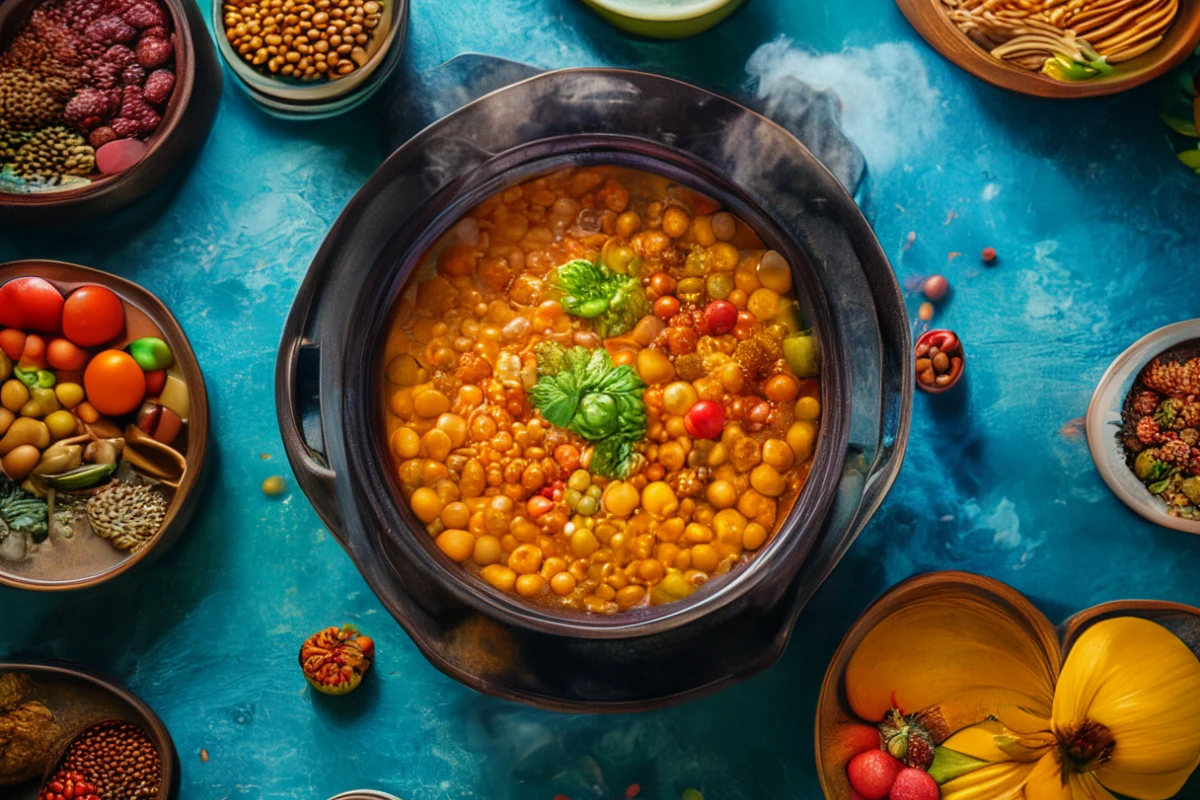
In the quiet warmth of the kitchen, she lifts a heavy wooden spoon to taste the earthy aroma rising from the steaming pot.
A heavy ceramic bowl sits on a wooden table, filled with steaming, earthy-brown lentils. The steam rises in a thin veil, carrying a scent of toasted earth and warmth. According to Acta scientiarum polonorum.
Technologia alimentaria, the sprouting process in 2015 caused significant increases in protein, ash, and crude fiber.
Technologia alimentaria (2015), the sprouting process causes significant increases in protein, ash, and crude fiber.
According to *Acta scientiarum polonorum. Technologia alimentaria*, the sprouting process in 2015 caused significant increases in protein, ash, and crude fiber.
When comparing various legumes, lentils often stand out due to their specific protein density. While many grains provide energy, lentils provide a more concentrated dose of amino acids relative to their total mass.
For example, when looking at dry weight versus cooked weight, the protein concentration remains a significant factor in how the body processes the energy.
The fiber profile of lentils is particularly noteworthy. They contain a dual-action fiber structure: insoluble fiber helps with digestive regularity, while soluble fiber slows the absorption of sugar into the bloodstream.
This prevents the sharp insulin spikes often associated with grain-heavy snacks.
Minerals such as iron, magnesium, and potassium are heavily concentrated in these small pulses. For those following a plant-based lifestyle, these micronutrients are vital for maintaining energy and metabolic health.
To maximize the absorption of non-heme iron found in lentils, it is often recommended to pair them with a source of Vitamin C, such as a squeeze of lemon or a side of bell peppers.
But why do these tiny seeds make such a massive difference in how we feel hours after eating?
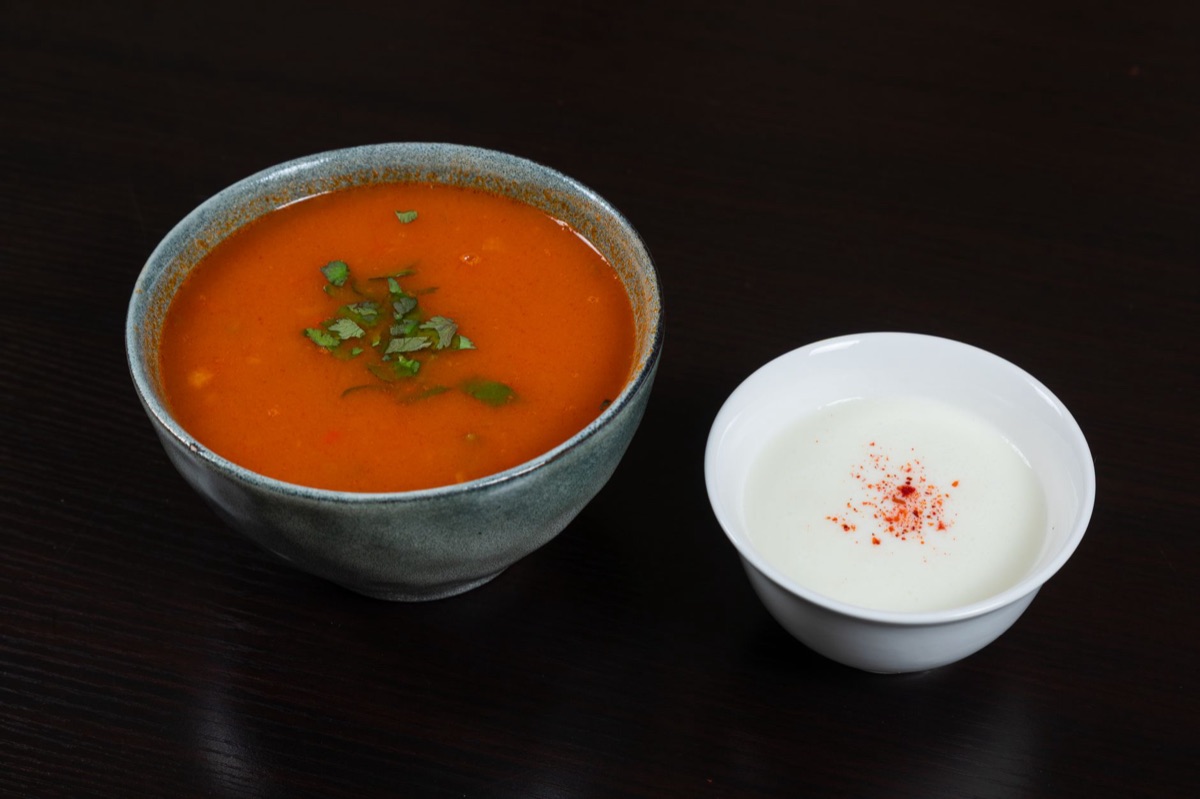
Will fiber or carbs keep me full longer? A person reaches for a handful of roasted lentils instead of a bag of chips, feeling the satisfying crunch against their teeth. As noted in *Plant foods for human nutrition* (Dordrecht, Netherlands), substituting 50% of cereal with legumes increased proteins, minerals, and dietary fiber in 2024.
As noted in Plant foods for human nutrition (Dordrecht, Netherlands), substituting 50% of cereal with legumes increased proteins, minerals, and dietary fiber in 2024.
The relationship between carbohydrates and fiber is the key to why lentils work so well as a "snack" or meal component. While lentils do contain carbohydrates, a significant portion of that total is fiber. This ratio is crucial because it changes how the body perceives fullness.
The presence of high fiber content slows down gastric emptying, meaning the food stays in your stomach longer. This leads to a sustained release of energy rather than a quick burst followed by a crash.
The way we prepare lentils can also change their nutritional profile. For instance, the sprouting process can significantly alter the internal chemistry of the legume.
Research has shown that the sprouting process caused significant increases in moisture, protein, ash, crude fiber, protein solubility, free amino acids, total, reducing and nonreducing sugars.
This suggests that sprouting doesn't just change the texture; it actively enhances the availability of nutrients. However, getting these benefits requires more than just boiling a pot of water.
Are lentils a great mineral source for my diet? A sunlit kitchen counter is covered in various glass jars, each filled with different colored lentils—red, green, and black. As noted in Plant foods for human nutrition (Dordrecht, Netherlands) (2024), substituting 50% of cereal with legumes increased proteins, minerals, and dietary fiber.
For those moving away from meat-centric diets, mineral density becomes a primary concern. Lentils act as a concentrated source of micronutrients that are often harder to obtain in large quantities from purely grain-based diets.
Replacing a portion of your daily grain intake with legumes can significantly shift your nutritional baseline.
According to research, substituting 50% of cereal with legumes increased proteins, minerals, and dietary fiber. This makes lentils an ideal tool for "nutritional upgrading"—using a small amount of a nutrient-dense food to replace a large amount of a less-dense food.
Beyond just protein, the trace elements in lentils support various enzymatic processes in the body. Because plant-based minerals can sometimes have lower bioavailability than those from animal sources, understanding how to prepare them is essential.
Using various cooking methods ensures you are getting the most out of the mineral content without losing it to over-processing.
But how do you transition from a bag of chips to a bowl of legumes without losing the joy of eating?
From Field to Fork: Optimal Preparation & Storage
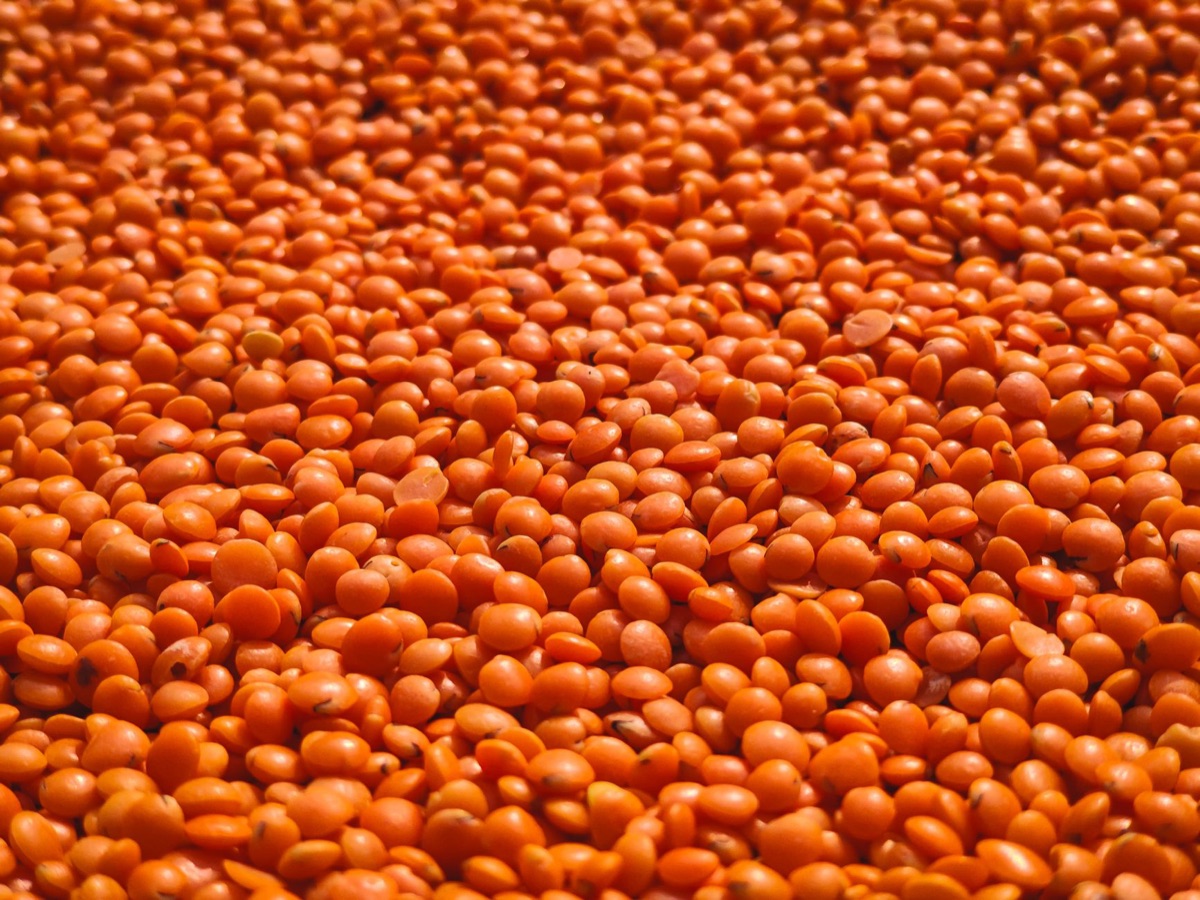
A hand reaches into a pantry to pull out a heavy, airtight container of dried lentils, checking the seal before setting it down.
To get the most out of lentils, you must consider both how you cook them and how you store them. Because they are a dry pulse, they are incredibly stable, but their nutritional integrity depends on proper handling.
| Preparation Method | Primary Benefit | Best For |
|---|---|---|
| Soaking | Reduces anti-nutrients and improves digestion | Large batches/stews |
| Sprouting | Increases protein solubility and fiber | Salads and snacks |
| Pressure Cooking | Retains minerals while softening skins | Quick meals |
| Roasting | Enhances crunch and flavor | High-protein snacking |
For those looking to maximize the "superfood" aspect of lentils, sprouting is a powerful technique. As noted previously, sprouting increases protein solubility and amino acid availability.
For daily use, soaking dry lentils for a few hours before cooking can also help reduce phytic acid, which can otherwise interfere with mineral absorption.
Regarding storage, always keep dry lentils in a cool, dark place in airtight containers to prevent spoore or rancidity of the natural oils. Once cooked, lentils should be refrigerated in airtight containers and consumed within 3–5 days to prevent nutrient degradation and bacterial growth.
If you are ready to start incorporating these into your life, follow this simple routine:
- Select your variety: Choose red lentils for creamy textures or green/black lentils for structure.
- Prep the pulse: Soak your lentils for 2 to 4 hours to improve digestibility.
- Control the heat: Simmer in water or broth until the desired texture is reached.
- Add acidity: Squeeze fresh lemon juice over the finished dish to boost iron absorption.
- t
Beyond the Basics: Lentils in Advanced Plant-Based Cuisine
A large wooden cutting board holds a vibrant salad where lentils are mixed with feta, cucumbers, and red onions.
Lentils are far more than just a soup ingredient; they are a versatile base for complex culinary applications. Because of their ability to hold their shape (especially green and French lentils) or turn creamy (red lentils), they can mimic various textures in cooking.
One of the best ways to use them is as a protein booster in existing dishes. You can mix red lentils into a Bolognese sauce to add bulk and protein without changing the flavor profile significantly.
For a more textural experience, roasted lentils can be used as a crunchy topping for grain bowls or salads.
To achieve a complete amino acid profile, it is a common practice to pair lentils with a grain, such as brown rice or quinoa. While lentils are high in protein, combining them with cereals ensures you are getting a full spectrum of essential amino acids.
This combination is a staple of healthy eating for a reason: it provides a balanced, slow-burning fuel source that keeps the body satisfied for hours.
#




Comments 0