Nutriban Model: 20th Century Fix for Child Malnutrition
"A child's growth is not just measured by height and weight, but by the invisible foundation of micronutrients that fuels every cell."
The Nutriban program was a pioneering effort designed to combat childhood malnutrition in the Philippines through a highly structured, nutrient-focused approach.
By moving beyond mere caloric sufficiency and focusing on specific dietary needs and local food availability, it created a blueprint for community-based nutritional intervention.
Key Takeaways
* Nutrient Density Over Volume: Nutriban prioritized specific micronutrients and protein requirements rather than just increasing total calorie counts. * Cultural and Local Integration: The program utilized locally available ingredients, making the dietary shifts sustainable and scalable for different regions. * Monitoring and Education: Success relied on the dual pillars of monitoring physical growth and educating caregivers on precise nutritional profiles.

How does a global crisis impact my local community? A quiet, invisible struggle often defines the lives of children in developing regions, where the absence of specific vitamins can stunt growth and impair cognitive development long before a child reaches school age.
As noted in the World journal of gastroenterology, 3 children were presented whose EoE-associated feeding dysfunction caused life-altering impacts on growth and development in 2014.
According to the Bulletin of the World Health Organization, the prevalence of malnutrition among under-5-year-olds in Brazil fell by more than 60% between 1975 and 1989.
In the mid-to-late 20th century, many regions faced a reality where children were consuming enough bulk calories to survive, yet remained severely malnourished due to "hidden hunger"—a lack of essential micronutrients.
In the Philippines, during the era when the Nutriban program was being developed and implemented, the nutritional gap was a pressing public health crisis. Children often lacked the necessary vitamins and minerals to support rapid growth and immune function.
While the world was beginning to recognize the scale of the problem, the solutions were often too generalized to address the specific biological needs of growing children.
The challenge was not just a lack of food, but a lack of *functional* food. Modern nutritional science tells us that a diet high in carbohydrates but low in iron or vitamin A can lead to significant developmental delays.
This historical context set the stage for a program that needed to do more than just fill bellies; it needed to rebuild the nutritional foundation of a generation.
But how do you move from abstract science to a child's dinner plate?

Why is nutrient density more important than calories? At a community center in a rural province, a health worker holds a small bowl of fortified porridge and a growth chart, looking intently at a toddler's progress.
As noted in the World journal of gastroenterology, manifestations of EoE associated feeding dysfunction in three children of various ages led to a significant and life altering impact on their growth and development in 2014.
The conversation isn't about how many grams of grain were used, but about the specific vitamins that will help the child's eyes and bones develop.
The core philosophy of the Nutriban program was a shift from generalized feeding to targeted nutrient density. Instead of simply telling parents to "feed more," the program focused on the synergy of nutrients and the specific requirements of children under three years of age.
This addressed the reality that a child's body requires a precise balance of proteins, fats, and micronutrients to thrive.
One of the central pillars was the integration of growth monitoring with dietary education. The program recognized that nutritional status cannot be addressed in a vacuum; it must be tied to the physical reality of a child's development.
This mirrors modern public health strategies where monitoring growth is the primary tool for identifying and intervening in nutritional deficiencies.
By focusing on the specific needs of the youngest and most vulnerable, the program aimed to prevent the long-term consequences of early childhood malnutrition.
However, knowledge alone doesn't feed a child; you need a plan.
Food as Medicine: The Practical Implementation
A mother in a local village kitchen carefully steams leafy greens and prepares a fish-based soup, following a specific recipe designed to maximize iron and vitamin C absorption. She knows that the way she prepares the meal is just as important as the ingredients themselves.
The practical application of Nutriban involved matching local, accessible foods with the specific nutritional requirements of growing children. This was not a "one size fits all" menu. Instead, it was a systematic approach to pairing ingredients to enhance bioavailability.
For example, the program taught that certain local vegetables, when paired with specific proteins, could significantly increase the absorption of iron, a common deficiency in the region.
The implementation followed a structured pairing mechanism: 1. Identification of Needs: Determining the specific deficit (e.g., protein-energy malnutrition or micronutrient deficiency). 2.
Ingredient Selection: Choosing local foods that addressed that deficit (e.g., legumes, local fish, or fortified grains). 3. Nutrient Profiling: Educating caregivers on the specific macro and micronutrient value of the prepared meals. 4.
Preparation Optimization: Teaching cooking methods that preserved vitamins and minerals, such as steaming versus boiling.
By treating food as a precise tool for health, the program turned everyday meals into a form of preventative medicine. This required a deep understanding of how to maintain nutrient integrity during cooking and storage, ensuring that the "medicine" remained potent.
But how do you know if the "medicine" is actually working?
Measuring Success and Scientific Necessity
In a quiet clinic, a community health volunteer records a child's weight and height on a standardized chart, noting a steady upward trend that reflects months of improved nutrition. The data on the page represents more than just numbers; it represents the successful reversal of growth failure.
The impact of such programs is often measured through the stabilization and improvement of growth metrics within the target population.
While specific historical data for every iteration of Nutriban varies, the effectiveness of such community-based models is well-documented in global health literature.
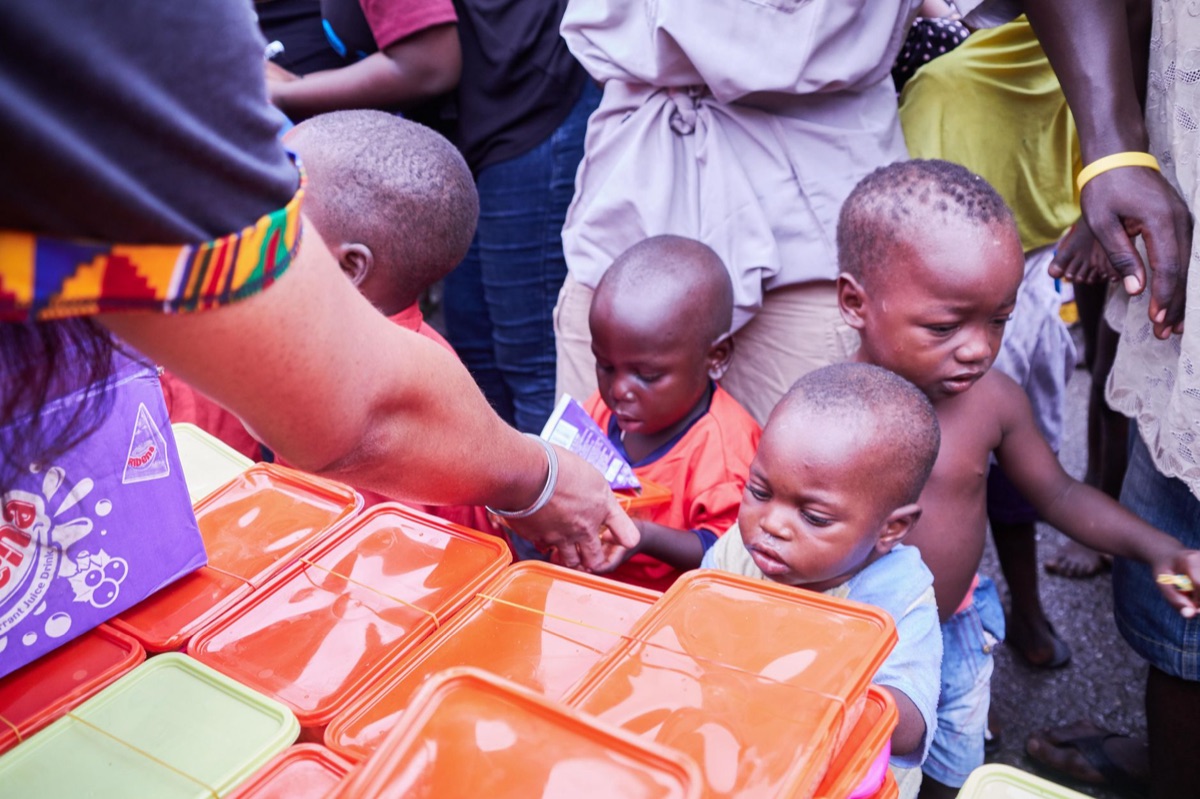
The role of community health volunteers was vital, as they provided the consistent, daily monitoring necessary to sustain nutritional gains and catch issues before they became permanent.
The necessity of this early intervention is underscored by global health findings. For instance, the importance of monitoring the growth of children under 36 months through community volunteers is a recognized standard for improving nutritional status in public health settings.
Furthermore, the critical nature of early intervention is highlighted by the fact that feeding dysfunctions and nutritional deficiencies can lead to significant and life-altering impacts on growth and development.
| Nutrient Category | Primary Function in Children | Nutriban Strategy |
|---|---|---|
| Proteins | Tissue growth and immune function | Integration of local legumes and animal proteins |
| Iron | Oxygen transport and cognitive development | Pairing iron-rich foods with Vitamin C sources |
| Vitamin A | Vision and immune health | Use of orange-fleshed vegetables and local oils |
| Zinc | Growth and cell division | Focus on diverse grain and meat combinations |
While these metrics show progress, they can sometimes be difficult to achieve in environments where food stability is unpredictable.
Lessons for Today: Bridging Past and Present
A modern parent sits at a kitchen table, looking at a nutrition label on a box of cereal and then at a bowl of fresh fruit, considering how to balance the two for their child's breakfast.
According to Maternal & child nutrition, the World Food Summit's 2015 goal to halve malnutrition rates was not accelerating the fall in prevalence.
When I was looking through old community health records, I noticed how the simplest changes—like adding a squeeze of lime to a lentil soup—made a visible difference in the energy levels of the children being monitored. It wasn't about expensive supplements; it was about the chemistry of the plate.
The Nutriban model offers profound lessons for modern dietary habits. The shift from "eating enough" to "eating right" is more relevant today than ever.
As we move through an era of highly processed foods, the principle of nutrient density—getting the most nutrition out of every bite—is a vital tool for health.
To apply these lessons to a modern lifestyle, consider these steps: 1. Prioritize Nutrient Density: When choosing foods, look for those that offer a high concentration of vitamins and minerals relative to their calorie count. 2.
Understand Food Synergy: Learn how certain foods work together, such as eating citrus with iron-rich greens to enhance absorption. 3. Monitor and Adjust: Just as the program used growth charts, use regular health check-ups and nutritional awareness to adjust your family's diet. 4.
Use Local and Seasonal Ingredients: Emulate the program's sustainability by choosing foods that are fresh and available in your own region.
The enduring principle of the Nutriban model is the necessity of pairing food knowledge with scientific understanding. It reminds us that nutrition is not just about satisfying hunger, but about providing the biological building blocks required for a healthy life.
***
Note on Limitations: While the Nutriban model provides a strong framework, its success was heavily dependent on the availability of local ingredients and the presence of trained community volunteers.
In areas where food supply chains are broken or trained personnel are unavailable, the effectiveness of such a model can be significantly diminished.
#





Comments 0