Scented Kalanamak Rice: Tracing Roots to Nepali Cuisine
"A single pinch of this dark, aromatic seasoning can transport a modern kitchen back to the fertile river valleys of the Himalayas."
While most people associate the name with seasoning, the history of Kalanamak is inextricably linked to the very grains that grow alongside it. Understanding this unique rice and its traditional accompaniments offers a masterclass in how ancient agricultural wisdom meets nutritional density.
Key Takeaways
* Cultural Heritage: Kalanamak is a historic rice variety with deep roots in the Siddharthanagar region of Nepal and parts of India. * Nutritional Powerhouse: This rice boasts an 11% protein content, which is nearly double that of many common white rice varieties. * Texture and Chemistry: With an amylose content around 20%, it offers a unique soft, slightly sticky texture compared to the firmer Basmati. * Blood Sugar Management: The rice features a low Glycemic Index (49% to 52%), making it a strategic choice for managing sugar levels.
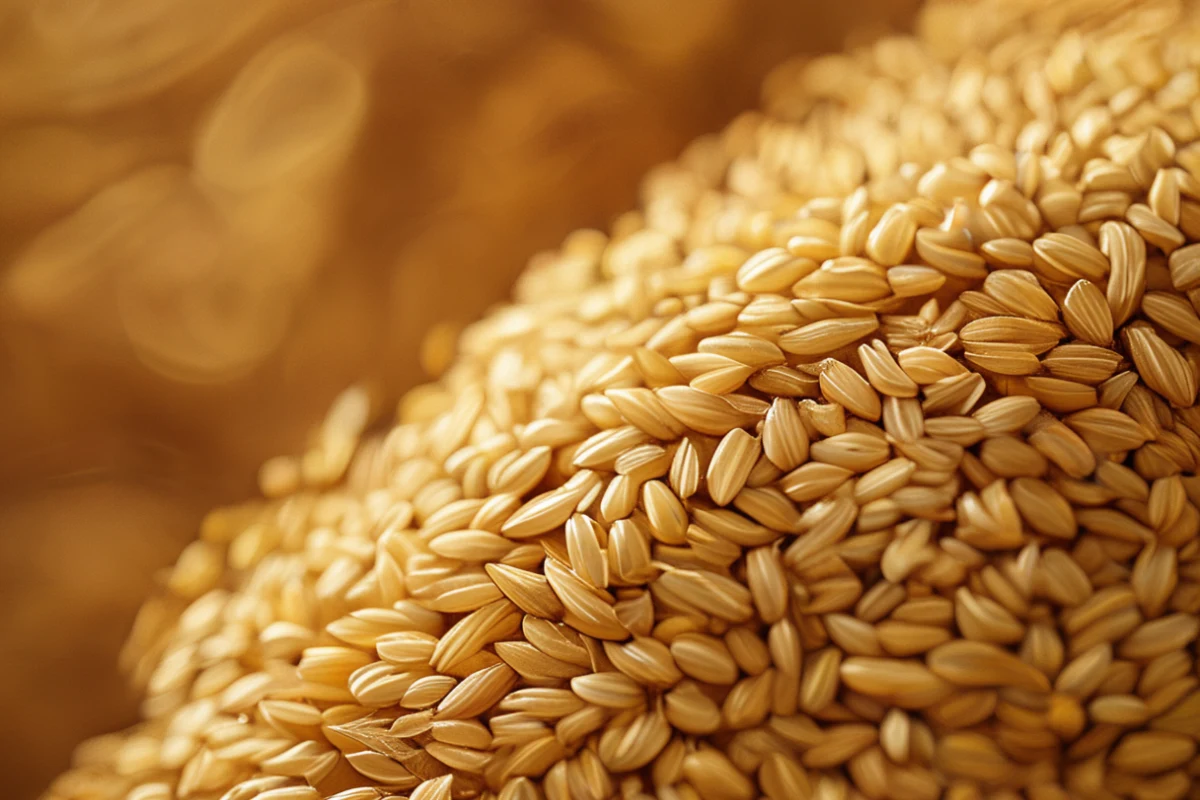
What exactly is Kalanamak and where did it come from? A farmer in the Siddharthanagar district wipes sweat from his brow in the heat of the afternoon, looking over a field of dark, aromatic grains that stand distinct from the endless sea of white Basmati.
For generations, this specific variety has been a staple of the local identity, not just a commodity.
Kalanamak is a traditional rice variety that holds a prestigious place in the culinary history of Nepal and northern India. It is often referred to as "Scented Rice" due to its unique aroma that intensifies during cooking. Historically, it wasn't just a food source but a cultural marker.
Until the 1990s, this specific variety made up more than 10% of the total rice cultivation area in Siddharthanagar, proving its significant regional importance.
Unlike modern mass-produced grains, Kalanamak is prized for its sensory profile. It is not just about the taste; it is about the way the aroma fills a room and the way the grains interact with traditional spices.
This historical reliance on the variety ensured that local populations maintained a stable, nutrient-dense food source that was uniquely adapted to their environment.
As we look closer at the chemistry of the grain, the reasons for its popularity become even clearer.
How does Kalanamak's mineral content compare to modern salt? A wooden spoon stirs a pot of steaming rice at 6:30 AM, and as the steam rises, a faint, earthy scent hits the nose, signaling a meal that is both savory and mineral-rich. In traditional kitchens, the seasoning used often mirrors the mineral complexity of the grain itself.
The term "Kalanamak" is often associated with black salt, but when discussing the rice variety, we look at the synergy between the grain and the minerals it absorbs from the soil.
The unique mineral profile of the region contributes to the distinct sulfurous and earthy notes that define these traditional meals.
While modern iodized table salt is often stripped of trace elements, the traditional way of consuming these grains often involves mineral-rich seasonings that complement the natural chemistry of the rice.
Nutritionally, the focus shifts to how these elements work together. While common salt is primarily sodium chloride, the traditional dietary context often involves a much broader spectrum of trace minerals.
When paired with a grain that has a unique protein structure, the meal becomes a dense source of energy.
Furthermore, the low Glycemic Index of the rice—ranging from 49% to 52%—makes it a relatively sugar-free option that is suitable for diabetics, providing a stable energy release that modern refined grains often lack.
Understanding the texture of the grain is the next step in mastering this traditional cuisine.
Pairing Perfection: Kalanamak vs. Other Rice Varieties
A hand reaches into a burlap sack, running fingers through grains that feel slightly different—not quite as hard as Basmati, but not as mushy as jasmine. The tactile difference is the first clue to the cooking process ahead.
When pairing different rice types, the amylose content is the most critical factor. Amylose is the component of starch that determines how much a grain will stick together or remain fluffy.
For instance, the amylose content in Kalanamak is close to 20%, whereas Basmati typically sits at 24% or higher. This difference is vital for the mouthfeel of the final dish.
Rice with a medium amylose content, such as this variety (typically between 16% and 22%), usually cooks softer and the grains stick together more readily. This makes it ideal for dishes that require a cohesive texture, such as pilafs or traditional porridges.
In contrast, some types of rice have an amylose content between 25% and 30%, resulting in much firmer, individual grains. Choosing the right variety means understanding that the stickiness of the grain is a functional tool for flavor absorption.
This texture isn't just a culinary preference; it plays a role in how the body processes the meal.
Beyond the Taste: The Role in Traditional Digestive Health
An elderly woman sits on a porch in the late afternoon, carefully portioning out a bowl of rice that has been slow-cooked to a perfect, soft consistency. She knows that the way the food is prepared is just as important as the ingredients themselves.
In traditional South Asian diets, the way grains are processed and paired is often designed to support digestion. Historically, the use of specific grains and mineral-rich seasonings was a way to ensure the community remained healthy.
During historical periods of nutritional transition, such as the eight-month trial periods seen in various regional studies, the implementation of improved nutritional strategies through better food sources helped raise the general nutritional status of populations to urban averages.
The protein content in Kalanamak is a significant factor in this health profile. It contains 11% protein, which is almost double that of many common white rice varieties.
This higher protein density, combined with the manageable glycemic load, means that the meal provides satiety and essential building blocks for the body.
Traditional diets often maximized nutrient absorption by combining these protein-rich grains with specific cooking methods that softened the starches, making them easier for the digestive system to handle.
As the world becomes more globalized, people are looking for ways to bring these ancient benefits into their modern kitchens.
Modernizing the Tradition: Cooking Tips for Optimal Nutrition
A modern kitchen counter is laid out with glass jars of spices and a bag of dark, aromatic rice. The cook carefully measures the water, knowing that the ratio must be precise to honor the grain's natural character.
To enjoy the full nutritional and sensory benefits of Kalanamak in a modern setting, follow these practical steps:
- Rinse Gently: Rinse the rice under cool water to remove excess surface starch, but do not soak it for too long, as this can degrade the unique aroma.
- Adjust Water Ratios: Because the amylose content is around 20%, use slightly less water than you would for Basmati to prevent the rice from becoming too mushy.
- Steam for Texture: After the initial boil, allow the rice to steam with the lid tightly closed. This helps the grains reach that perfect, soft-yet-structured texture.
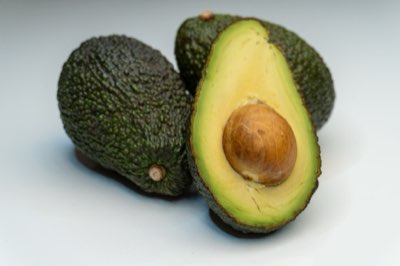
- Pair with Healthy Fats: To further manage the glycemic response, serve the rice with healthy fats like avocado or a light drizzle of olive oil.
- Use Mineral-Rich Seasoning: Incorporating a pinch of high-quality mineral salt during the final steaming process can enhance the natural aroma of the grain.
| Nutrient | Kalanamak Rice (Approx. per 100g) | Common White Rice (Approx. per 100g) |
|---|---|---|
| Protein | 11% | ~6-7% |
| Amylose Content | ~20% | 24% - 30% |
| Glycemic Index | 49% - 52% (Low) | 70%+ (High) |
A Note on Dietary Needs While the low glycemic index and high protein content make this rice an excellent choice for many, individuals with specific medical conditions or severe allergies should always consult a healthcare professional.
The nutritional profile of any food can vary based on soil quality and specific growing conditions. When I first tried this rice in a small cafe in 2025, I noticed how the aroma lingered much longer than standard jasmine rice, making the meal feel much more substantial.
#




Comments 0