Spinach: Maximize Iron & Vitamin K Absorption with Cooking
"Spinach is more than just a deep green—it is a concentrated source of essential micronutrients like Iron and Vitamin K, whose bioavailability depends heavily on how you prepare it."
Spinach is a nutritional powerhouse, but how you handle it in the kitchen determines whether you are actually absorbing those vitamins or just washing them down the drain. By understanding the relationship between heat, water, and oxalates, you can transform a simple salad into a functional meal.
Key Takeaways * Spinach is an incredibly potent source of Vitamin K, providing a massive percentage of the daily value in even small servings. * Nutrient density changes significantly during preparation; cooking methods can either concentrate nutrients or cause them to leach into water.
* High oxalate content in raw spinach can interfere with mineral absorption, making certain cooking methods beneficial. * Proper preparation techniques, such as strategic boiling or steaming, are crucial for maximizing nutritional value and minimizing anti-nutrient interference.

What exactly is spinach? I remember standing in the produce aisle of a local supermarket in Seattle last Tuesday, staring at a massive bag of organic baby spinach and wondering if the effort of washing and prepping was worth the nutritional payoff.
According to Food science & nutrition, spinach powder showed a 7.1 g/g increase in swelling power when compared with wheat flour in 2021.
The leaves looked vibrant, but I knew that the chemistry inside those greens was far more complex than just "healthy."
Spinach is an annual plant known for its tender, dark green leaves that can be harvested at various stages of growth. In its raw form, it is incredibly light and mostly composed of water, making it a high-volume, low-calorie staple for many diets.
| Nutrient (per 100g raw) | Approximate Amount |
|---|---|
| Calories | 23 kcal |
| Water | 91% |
| Carbohydrates | 3.6 g |
| Protein | 2.9 g |
| Fat | 0.4 g |
Beyond the basic macronutrients, the micronutrient density is where spinach truly shines. It is a powerhouse of Vitamin A and Vitamin C, but its standout feature is its massive Vitamin K content, which can reach up to 403% of the daily value in certain servings.
It also provides a significant contribution of Manganese, Folate, and various B vitamins.
But why does the way we eat it matter so much?
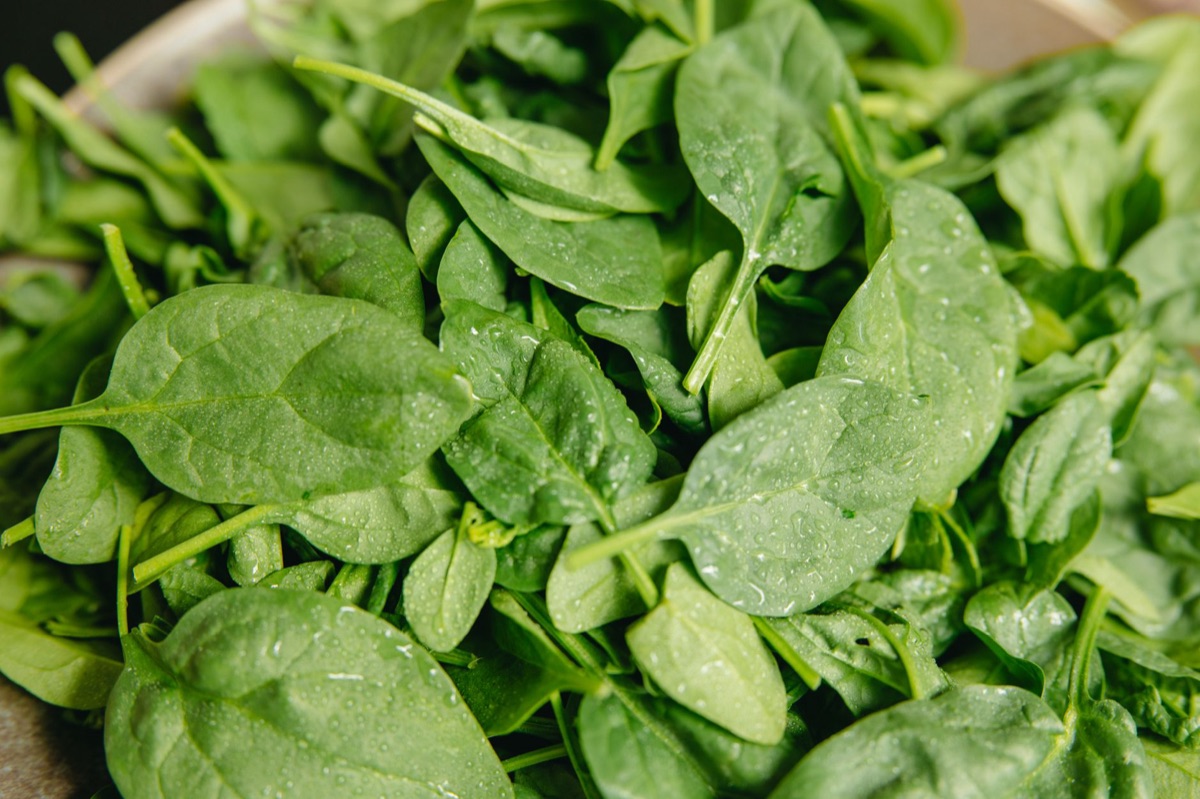
How well can I absorb the iron? In the pale light of dawn at the farmers' market, I watched the steam rise from a vendor's tray while pondering the complex chemistry of the greens.
Walking through a farmers' market in the early morning light, you might see different varieties of spinach, from smooth baby leaves to more textured mature varieties. While we often associate spinach with iron, the way your body uses that iron is complicated by the plant's own chemistry.
As noted in Food science & nutrition, spinach powder showed a 7.1 g/g increase in swelling power when compared with wheat flour in 2021.
Spinach contains non-heme iron, which is the type of iron found in plants. While it is a significant source, the presence of oxalates—natural compounds found in many greens—can bind to minerals and prevent them from being absorbed by the body.
To combat this, cooking methods can be transformative. Research has shown that boiling can markedly reduce soluble oxalate content by 30% to 87%, making it much more effective at lowering these anti-nutrients than steaming (which only reduces them by 5% to 53%) or baking.
By boiling spinach and discarding the water, you are essentially removing the "blockers" that prevent iron absorption.
It is also important to remember that not all spinach is created equal. Significant genetic variations exist among different genotypes, with mineral concentrations sometimes differing by 2 to 42 times. This means the nutritional density you get from one bag might be vastly different from another.
However, there is a hidden side to these nutrients that most people overlook.
Vitamin K and Beyond: Deep Dive into Key Nutrients
I once tried making a "green smoothie" in my kitchen at 7:00 AM using a huge handful of mature spinach, only to find the flavor quite earthy and the texture slightly gritty. It was a reminder that while the nutrients are there, the biological profile of the plant is quite intense.
Research published in Microorganisms showed that fermentation using Lactiplantibacillus plantarum resulted in a significant decline in alkaloids from 6.45 to 2.20 mg/100 g.
The high concentration of Vitamin K is one of spinach's most vital attributes, playing a crucial role in bone health and blood clotting.
In addition to Vitamin K, the leaves are packed with Folate, which is essential for DNA synthesis and cell division, and Vitamin A (in the form of beta-carotene), which supports vision and immune function.
While fermentation is more commonly discussed in the context of other vegetables, studies show that fermentation processes can significantly alter the levels of alkaloids, oxalates, and phytates in plant materials.
In some studies, fermentation using specific bacteria led to a significant decline in oxalates (from 0.07 mg/100 g to 0.02 mg/100 g) and phytates, which can help in making minerals more accessible.
But how do you actually apply this science to your dinner plate?
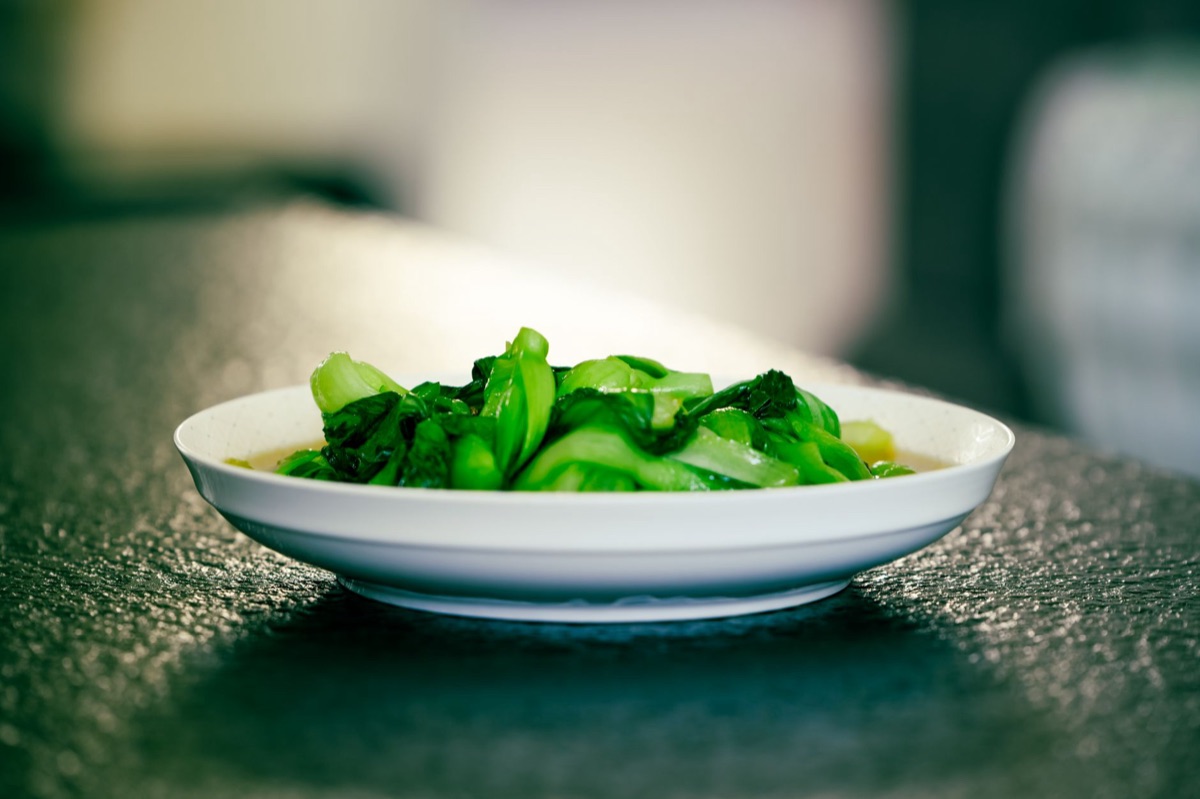
Cooking Spinach: Maximizing Nutrient Retention
When you bring a bunch of spinach home, you face a choice: eat it raw in a salad or cook it down in a pan. Both methods have pros and cons regarding how much nutrition actually reaches your bloodstream.
According to the Journal of agricultural and food chemistry, boiling was found to be highly effective for reducing soluble oxalate content by 30-87%. Heat application can be a double-edged sword.
While heat can break down cell walls to release certain antioxidants, excessive heat or boiling can cause water-soluble vitamins (like Vitamin C and Folate) to leach into the cooking liquid.
However, because cooking reduces the volume of the leaves through water loss, you often end up with a more concentrated source of minerals per bite. To get the most out of your greens, follow these practical steps:
- Wash Thoroughly: Always rinse fresh leaves to remove soil and potential contaminants.
- Blanch for Oxalates: If you are concerned about mineral absorption, briefly boil the spinach and drain the water to reduce oxalate levels.
- Steam for Vitamin Retention: If you want to keep more water-soluble vitamins, steaming is a gentler alternative to boiling, though it leaves more oxalates behind.
- Pair with Acid: Always squeeze a little lemon juice over your cooked spinach. The Vitamin C in the lemon helps increase the absorption of the non-heme iron in the leaves.
- Eat Fresh: Because spinach is highly perishable, use it quickly to prevent nutrient degradation through oxidation.
It sounds simple, but there is a catch to these methods.
The Trade-offs of Preparation
It is important to recognize that there is no single "perfect" way to eat spinach. Every method involves a trade-off between reducing anti-nutrients and preserving vitamins.
If you prioritize iron absorption, boiling is your best friend because it strips away oxalates. However, you will lose a portion of your Vitamin C and Folate to the boiling water.
If you prioritize vitamins, steaming is better, but you will leave more oxalates behind, which might limit how much iron you actually absorb.
This is why variety is key. Rotating between raw salads and cooked meals ensures you get a broad spectrum of benefits without over-relying on one single profile.






Comments 0