Salmon alternative nutrition: Guide to balancing meals
"The deep blue of a ripe berry offers a different kind of sustenance than the rich fats of a fish, yet both play roles in a balanced diet."
Choosing between a protein-heavy meal and a fruit-based snack depends on specific dietary goals, such as managing caloric intake or seeking micronutrients. While salmon provides significant protein and healthy fats, blueberries offer unique antioxidants and dietary variety.
This guide explores the nutritional profiles of these foods, how to balance them, and what to consider when selecting high-quality fruit.
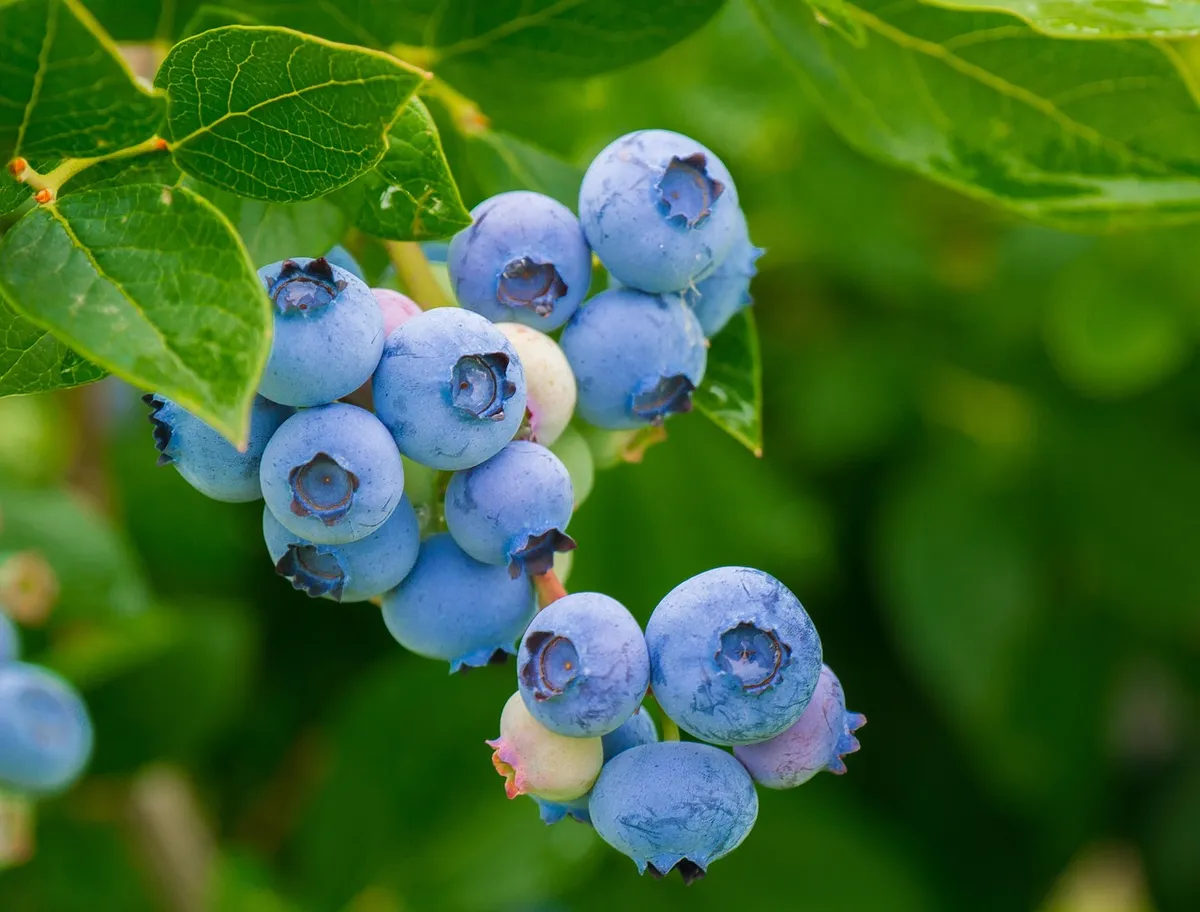
Key takeaways: * Salmon provides high protein and essential fats, while blueberries offer unique phytochemicals. * Wild blueberries have a distinct size and flavor profile compared to cultivated varieties. * Balancing polyunsaturated fats with dietary variety is a common nutritional strategy.
How does salmon compare to blueberries in terms of nutrients?
A person stands in a bright kitchen, weighing a piece of raw salmon on a digital scale before reaching for a container of fresh berries. The scale reads the weight of the Atlantic salmon, which contains 20.4g of protein and 13.4g of fat per 100g of farmed raw fish.
According to USDA FoodData Central, raw farmed Atlantic salmon provides 208kcal and 9mg of calcium per 100g. In contrast, wild-caught Atlantic salmon offers 142kcal and 19.8g of protein per 100g.
While salmon is a dense source of protein and fats, blueberries serve as a different category of nutrient-dense food.
A shopper looks at the nutritional labels of different foods, checking the protein content of a salmon fillet against the fiber and vitamin content of berries. This comparison helps in understanding how to meet daily caloric and macronutrient needs.
In this comparison, the second point is the most detailed.
What are the health benefits of blueberry consumption? Salmon alternative nutrition
In the quiet study at dusk, I swallow a spoonful of sweet berries while thinking about how they complement a heavy salmon dinner.
A researcher sits at a desk, reviewing various epidemiological studies on plant-based nutrition and chronic disease. The quiet room is filled with the soft light of a late afternoon.
Epidemiological studies associate regular, moderate intake of blueberries and/or anthocyanins with reduced risk of cardiovascular disease, death, and type 2 diabetes, and with improved weight maintenance and neuroprotection, according to Advances in nutrition (2020).

These studies suggest that the phytochemicals in berries contribute to long-term health maintenance.
The search for a salmon alternative nutrition strategy often leads to plant-based options to balance fat intake. Using berries can provide a different type of micronutrient support that complements a protein-rich diet.
How can I balance taste and nutrition in my meals?
A cook prepares a breakfast bowl, gently folding fresh blueberries into a mixture of yogurt and nuts. The aroma of fresh fruit fills the kitchen.
To achieve a blueberry vs salmon nutrition balance, one can follow these steps: 1. Incorporate high-protein sources like salmon for satiety and essential fatty acids. 2. Add blueberries to meals to introduce antioxidants and natural sweetness without excessive calories. 3.
Use a variety of food groups to ensure a wide spectrum of vitamins and minerals are consumed.
I find that adding berries to a meal provides a refreshing contrast to the savory profile of fish. This helps in managing a berry nutrient comparison when planning weekly menus.
A person prepares a meal, carefully weighing ingredients to ensure they meet their specific dietary requirements. They consider how to integrate both animal and plant-based foods effectively.
What should I look for when selecting the best blueberry choice?
A gardener walks through a field of lowbush shrubs, touching the small, dark fruits hanging from the branches. The sun warms the morning air. As reported by the Canadian Space Agency, samples were sent to NASA's food lab, and in April 2007, the Canadian Space Agency presented the product to NASA.
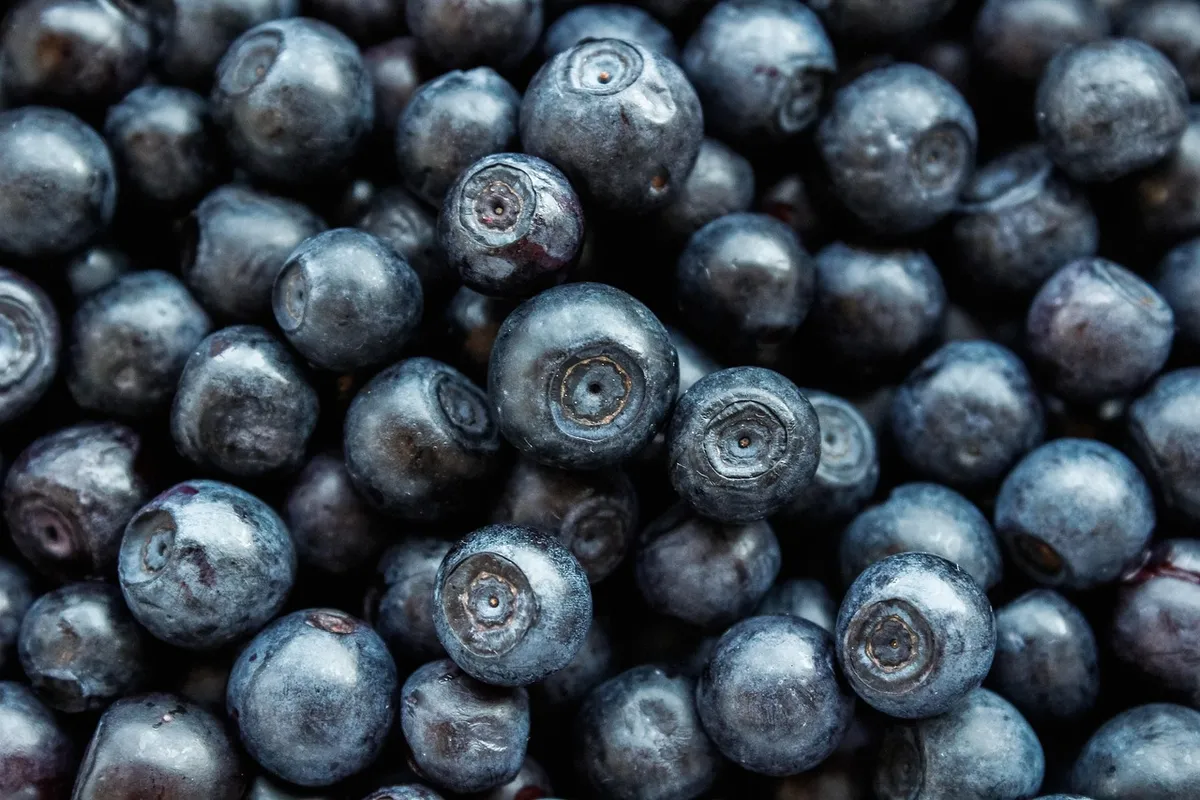
The berry nutrient profile varies significantly between wild and cultivated varieties. Wild (lowbush) blueberries have an average mature weight of 0.3 grams (1⁄128 oz). For those seeking a specific texture, knowing the size and physical characteristics of the fruit is essential.
The fruit is a berry 5–16 mm (3⁄16–5⁄8 in) in diameter with a flared crown at the end; they are pale greenish at first, then reddish-purple, and finally uniformly blue when ripe. This berry health benefits profile is often sought by those looking for natural, whole-food snacks.
A consumer examines a carton of berries, looking for consistent size and color. They check the firmness of the fruit to ensure freshness.
- Inspect the firmness of the fruit.
- Check for vibrant, deep colors.
- Ensure the skin is intact and free of bruising.
How do different blueberry varieties differ?
A botanist examines the leaves and stems of a blueberry shrub under a magnifying glass in a greenhouse. The humidity is high, and the air smells of damp earth.
The physical characteristics of blueberries vary by type. Blueberries are usually prostrate shrubs that can vary in size from 10 centimeters (4 inches) to 4 meters (13 feet) in height.
The leaves of highbush blueberries can be either deciduous or evergreen, ovate to lanceolate, and 1–8 cm (1⁄2–3+1⁄4 in) long and 0.5–3cm (1⁄4–1+3⁄8 in) broad.
| Feature | Wild (Lowbush) | Highbush |
|---|---|---|
| Average Weight | 0.3 grams | Larger than 0.3g |
| Typical Growth | Prostrate shrubs | Up to 4 meters |
I noticed that the smaller wild berries often have a more intense flavor than the larger cultivated varieties. This berry nutrient comparison is useful when choosing between different types of fruit.
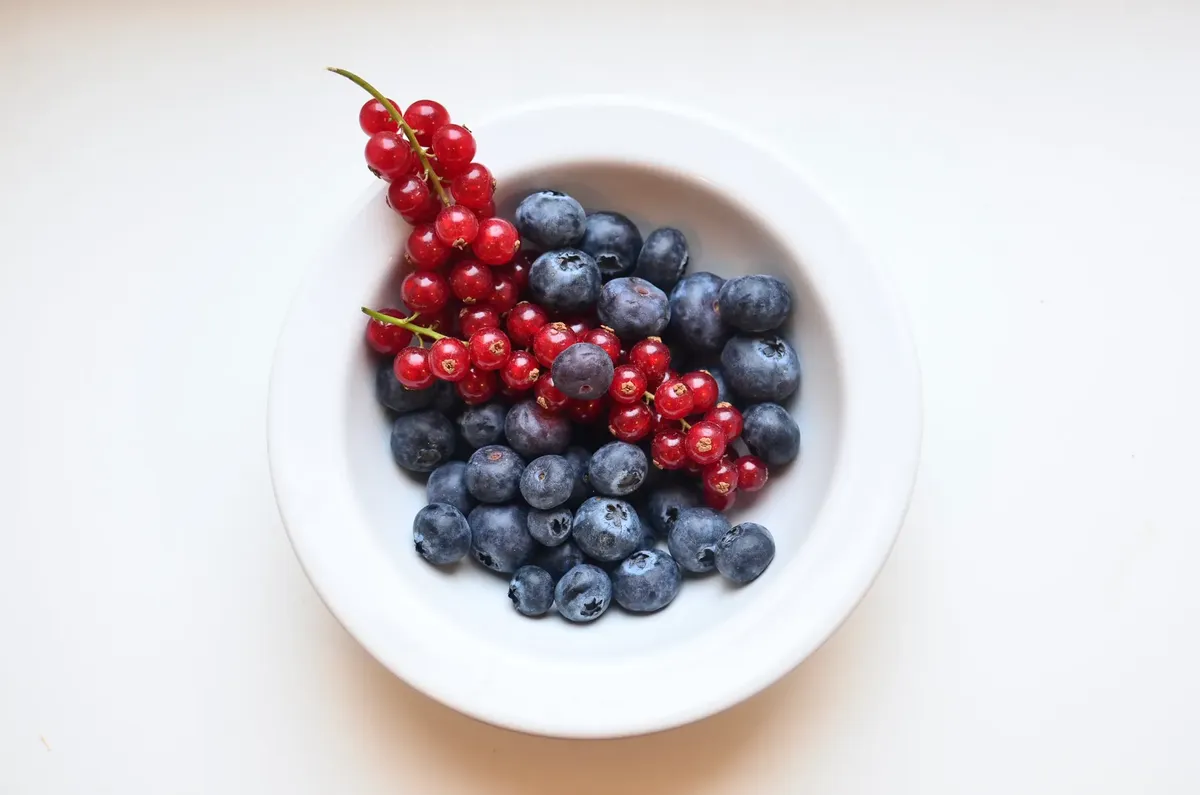
A person selects different berry varieties at a local market, noting the differences in size and leaf structure. They consider how these traits might affect the flavor and texture of their meals.
What are the limitations of using berries as a primary nutrient source?
A nutritionist reviews a plate containing only fruit, noting the lack of protein and fats compared to a balanced meal. The room is quiet as they make notes.
While berries are nutrient-dense, they do not provide the high protein or fat levels found in salmon. For example, wild salmon provides 19.8g of protein per 100g, which is a significant source of macronutrients that berries cannot replicate.
A single limitation is that berries alone cannot meet the high protein requirements of an active individual without being paired with other food sources.
This part also covers Blueberry cooking ideas.
This part also covers Balancing taste nutrition.
Blueberry cooking ideas
Related
- Fall fruit guide: Select fruit using color and size tips
- Salmon vs fish protein: Guide to nutrient density
Disclaimer: This article is general information, not medical advice. Consult a qualified healthcare professional before taking any supplement or medication.


Comments 0