How does temperature affect meat quality and absorption?
"The way we prepare our food can change its chemical nature entirely, turning a simple meal into a complex source of nutrition or unintended compounds."
Choosing the right meat involves balancing protein density with the chemical changes that occur during heat application. This guide examines how temperature and preparation methods influence nutrient retention and the formation of harmful compounds.
You will learn about temperature thresholds, the role of fat in flavor, and how to manage cooking times to maintain food quality.
How does temperature affect meat quality and absorption?
At midnight in the dim kitchen, I touch the searing pan to see how the heat does change the texture of the steak.
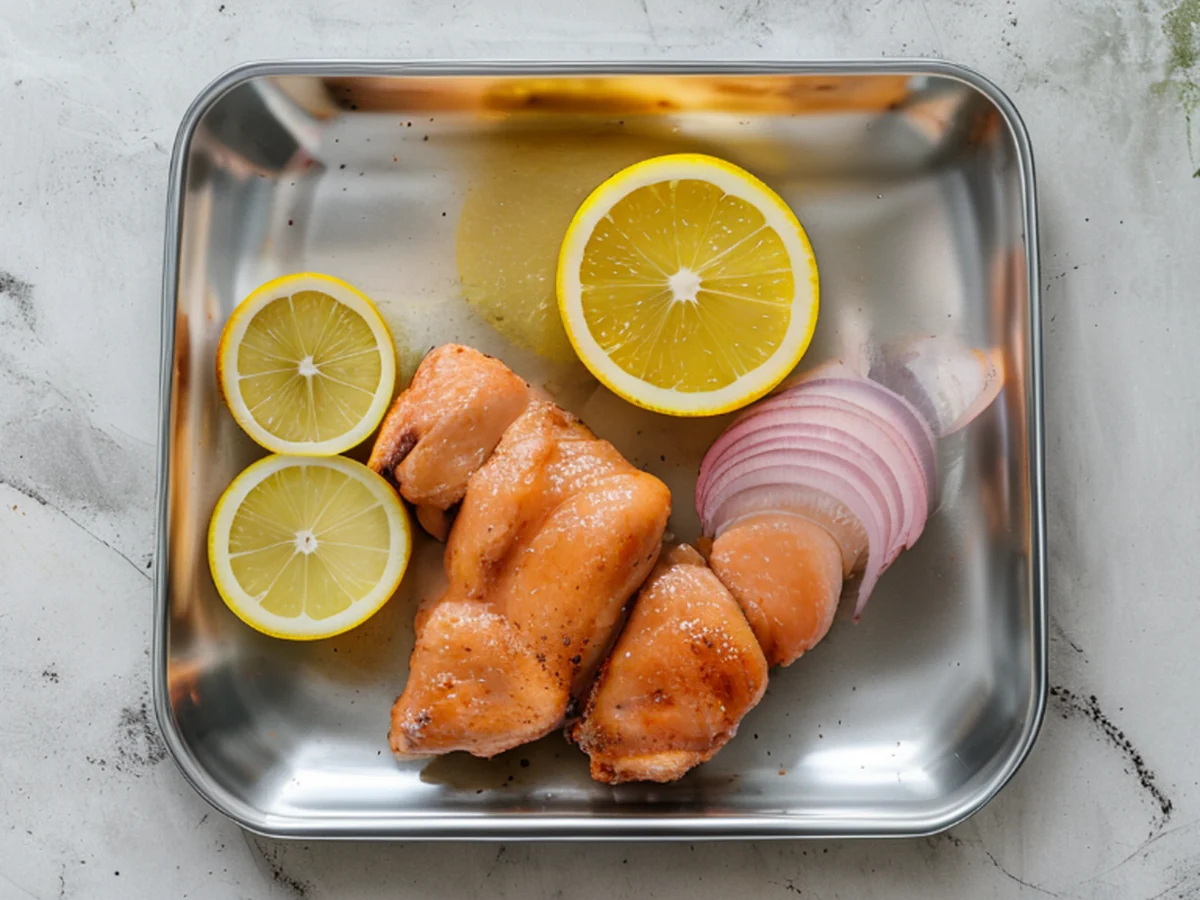
A chef stands over a hot pan, watching as the surface of a steak browns while the center remains pink. Understanding how cooking affects nutrients is essential for anyone looking to maximize the health benefits of their meals.
The chemical composition of muscle changes significantly when heat is applied. According to the National Cancer Institute, cooking meat below 212 °F (100 °C) creates "negligible amounts" of heterocyclic amines (HCAs).
This temperature threshold is a critical factor in managing the risk of chemical byproducts during preparation.
Maintaining control over heat prevents the rapid degradation of muscle proteins. While high heat is often used for flavor, managing the thermal environment helps preserve the integrity of the meat. This balance is key to ensuring that the protein remains the primary focus of the meal.
What is the role of fat in meat quality? Meat choice nutrition guide
In the dim kitchen at dusk, I watch how the melting marbling does coat my tongue with a rich sensation.
A person slices into a marbled ribeye, noting how the small white streaks of fat melt into the meat. Determining the best meat for health involves understanding how intramuscular fat contributes to the eating experience.
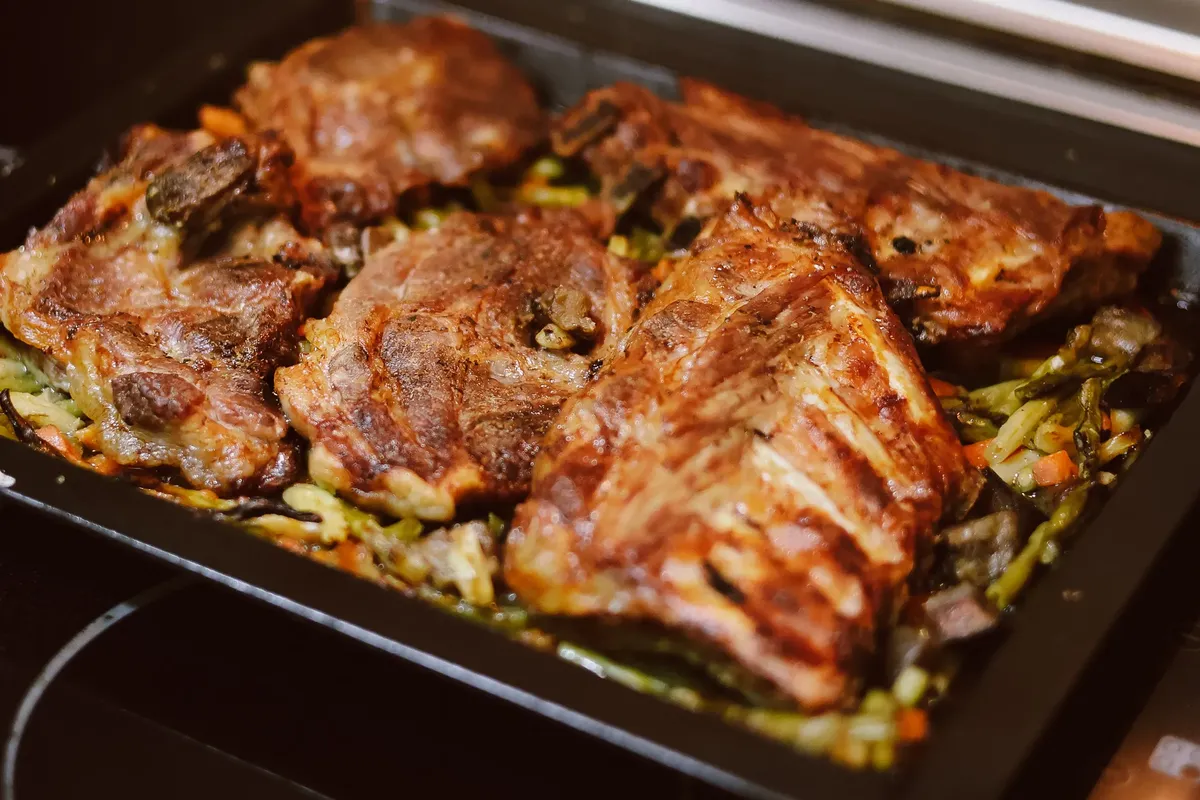
Intramuscular fat, often referred to as marbling, plays a significant role in the sensory aspects of meat. Small amounts—in the range of 3% to 7%—of fat deposited near the muscle fibers can slightly improve perceived flavor, juiciness, and tenderness.
However, these fats contribute no more than about 5% to overall palatability.
While fat adds flavor, it is only one component of the meat's profile. The remaining protein and water content provide the bulk of the nutritional value. Managing fat intake while seeking flavor requires a careful selection of cuts.
How can we manage protein in meat cooking?
A cook carefully measures out portions of lean meat to ensure an even distribution of nutrients across several meals. When focusing on protein in meat cooking, the goal is to provide sustenance without excessive additives.
The composition of adult mammalian muscle is largely consistent, consisting of roughly 75 percent water, 19 percent protein, 2.5 percent intramuscular fat, 1.2 percent carbohydrates, and 2.3 percent other soluble substances.
This high protein-to-weight ratio makes meat a concentrated source of amino acids.
To maintain this protein, one must consider the solubility of muscle proteins. Sarcoplasmic proteins make up about 11.5 percent of total muscle mass, while myofibrillar proteins account for about 5.5 percent. These proteins react differently to heat and moisture during the cooking process.
Can we reduce chemical risks through specific preparation?

A person uses a microwave to slightly warm a piece of meat before transferring it to a grill. Learning how cooking alters nutrients can lead to safer and more efficient kitchen habits.
According to the Association website IARC Monographs Q&A Archived, there is an IARC Monographs Q&A on the carcinogenicity of the consumption of red meat and processed meat.
One effective way to manage chemical formation is to reduce the total time meat spends at extremely high temperatures. For instance, microwaving meat before cooking may reduce HCAs by 90% by reducing the time needed for the meat to be cooked at high heat.
This technique allows for the desired sear without prolonged exposure to extreme temperatures.
Managing the "danger zone" is also vital for safety. Food spoilage bacteria proliferate in the temperature range from 40 to 140 °F (4 to 60 °C); therefore, food should not be stored in this temperature range. Proper cooling and heating are just as important as the cooking process itself.
What are the steps for safe meat preparation?
A kitchen worker organizes various tools, from thermometers to sharp knives, to prepare for a large meal. Following a structured approach ensures both safety and quality.
To prepare meat effectively, follow these three steps:
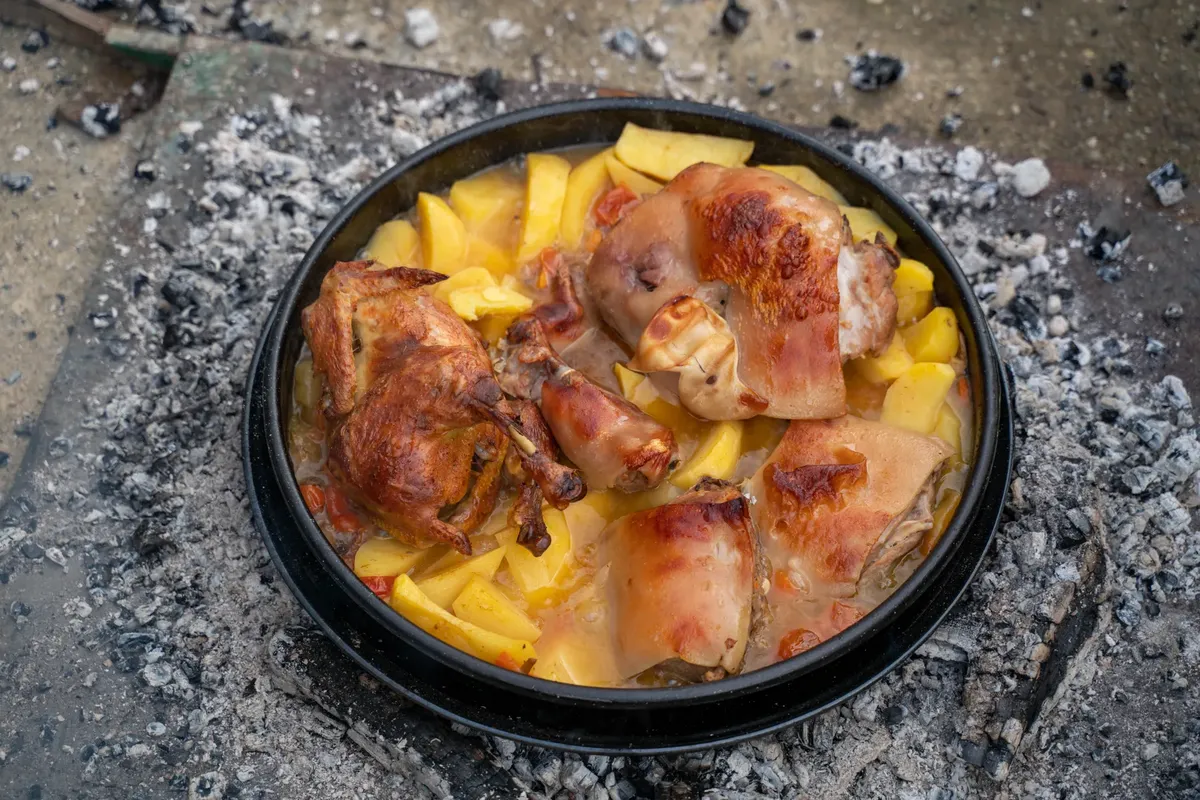
- Regulate temperature: Use a meat thermometer to ensure the meat reaches safe internal temperatures while staying mindful of the 212 °F threshold to minimize HCAs. 2. Manage moisture: Account for the 18 g per kg of remaining glycogen, which increases the water-holding capacity and tenderness of cooked meat. 3. Control timing: Use methods like pre-microwaving to shorten high-heat exposure.
After completing these steps, always perform a final check of the internal temperature to ensure the meat is cooked through but not overdone. I once prepared a large batch of poultry using these temperature-controlled methods to ensure consistency across all pieces.
How does meat aging affect the final product?
A butcher carefully inspects a hanging carcass in a temperature-controlled room. Understanding the relationship between fat, vitamin, and mineral meat content requires looking at how meat changes over time.
Under certain conditions, meat can undergo an aging process that increases its tenderness and flavor. Without other treatment, meat can be stored at above its freezing point (−1.5 °C) for about six weeks without spoilage. This period allows enzymes to break down connective tissues.
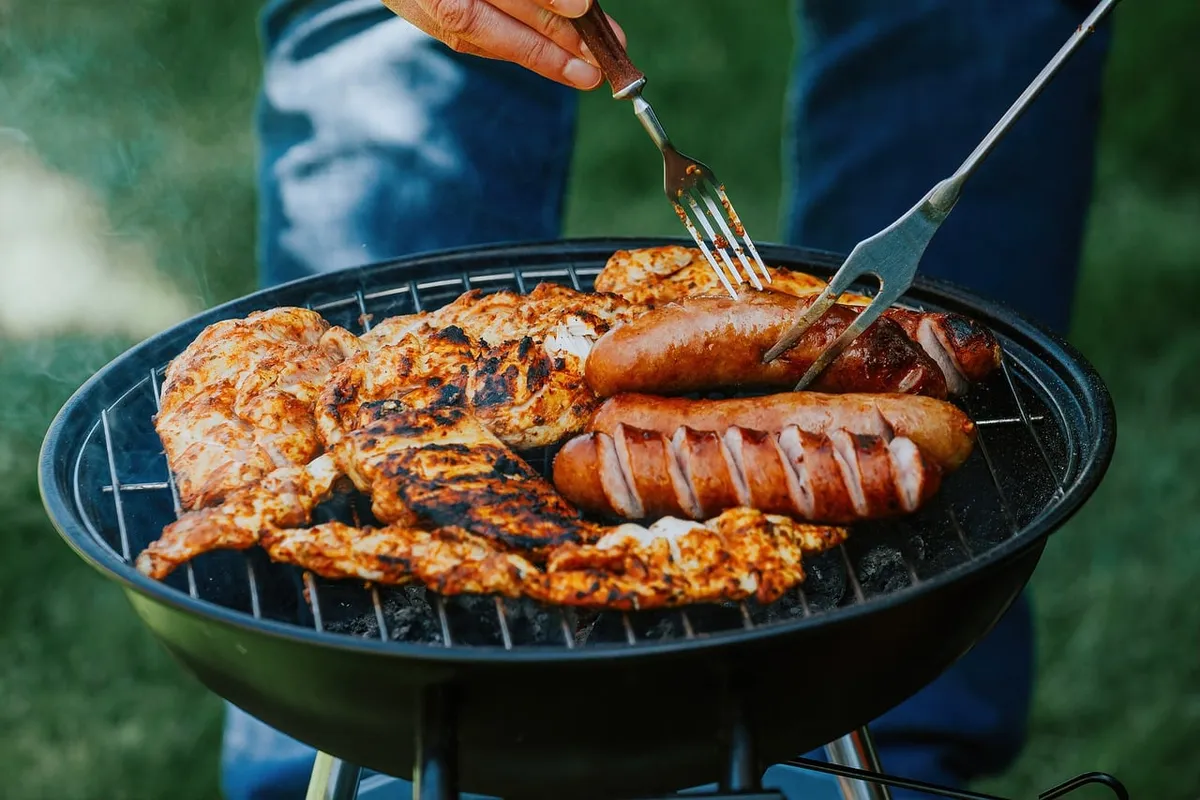
The limitations of this process depend heavily on the initial state of the meat and the environment. For example, the presence of specific toxins in other foods, like the phytohaemagglutinin in raw kidney beans, highlights why heat-based inactivation is necessary for food safety.
| Feature | Impact on Palatability/Quality |
|---|---|
| Marbling (3%–7% fat) | Improves perceived flavor, juiciness, and tenderness |
| Glycogen (18 g/kg) | Increases water-holding capacity and tenderness |
Wikipedia: Meat Based on the retained excerpt mentioning Translational Genomics Research Institute: A 2011 study by the Translational Genomics Research Institute showed that nearly half (47%) of the meat and poultry in U.S.
- How does temperature affect meat quality and absorption?
- What is the role of fat in meat quality?
- How can we manage protein in meat cooking?
The subject here is Meat choice nutrition guide.
The same subject is also called Fat vitamin mineral meat.
The same subject is also called Cooking affects nutrient.
This part also covers Optimal meat preparation.
Related



Comments 0