Fall nutrient foods: Guide to fiber-rich autumn meals
Selecting the right ingredients during the transition to cooler weather can significantly impact your daily nutrition. This guide explores how to leverage seasonal changes to optimize your diet through fiber-rich and fermented options.
Key takeaways: * Prioritize fiber-dense grains and bran to support digestive health. * Incorporate fermented vegetables to maintain traditional nutritional values. * Understand the relationship between ingredient composition and fiber content.
Why focus on fall nutrient foods?
As the temperature begins to fall, I stand in my warm kitchen and run my fingers through a basket of harvest grains.
A person stands in a kitchen, sorting through a basket of autumnal grains and vegetables. Selecting high-quality ingredients is the first step in building a healthy seasonal diet.
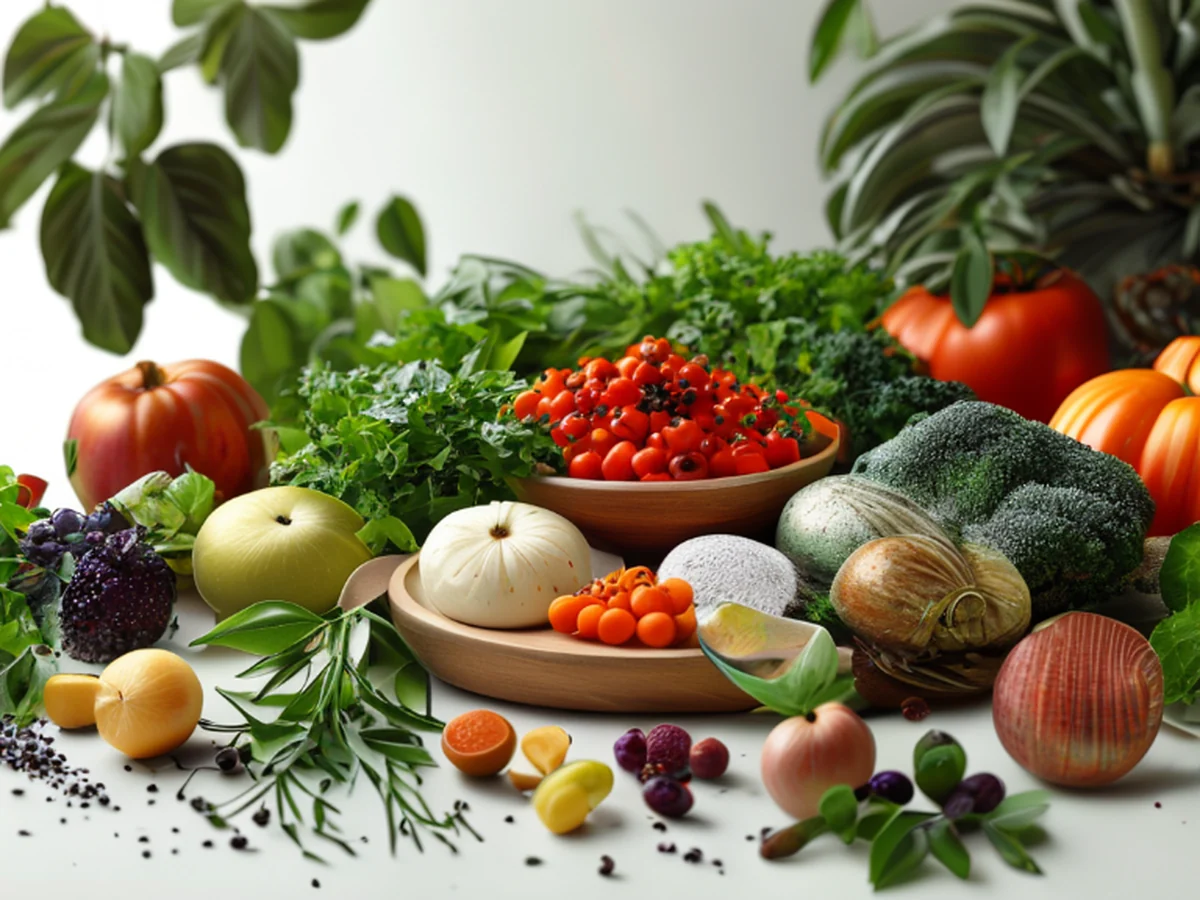
According to Frontiers in nutrition, significant differences were observed among meal groups for both carbon and water footprints ( p < 0.001).
Focusing on fall nutrient foods allows for a natural shift toward more substantial, fiber-rich meals as temperatures drop. Autumn healthy foods often provide the sustained energy needed for changing activity levels.
By choosing seasonal nutrient foods, you can tap into ingredients that are naturally more abundant during this time of year. Using these fall superfood options helps maintain a balanced diet.
How much fiber is in seasonal grains?
An individual carefully measures out a serving of cereal, checking the nutrition label for fiber content. Comparing different grain products helps in understanding how much dietary fiber is actually being consumed.
The fiber content varies significantly between different grain-based products. For example, one type of cereal contains 33% fiber, which represents 78% of natural wheat bran's 43% content. Another variety contains only 15% fiber, which is equivalent to 34% of wheat bran.
These differences are crucial when planning a diet intended to increase fiber intake.
| Product Type | Fiber Content |
|---|---|
| High-fiber cereal | 33% |
| Standard cereal | 15% |
I noticed that choosing the 33% fiber option provides a much more substantial nutritional boost during my morning routine.
What are the steps for fermenting vegetables?
A cook carefully stirs a mixture of salted vegetables in a large ceramic jar. Proper fermentation techniques ensure that the nutritional integrity of the vegetables is preserved.
To prepare fermented vegetables effectively, follow these steps:
- Prepare the vegetables through a salting process, which can use 5–7% salt for 12 hours or 15% salt for 3–7 hours. 2. Pack the brined vegetables into airtight jars. 3. Leave the jars to ferment at room temperature for 24 to 48 hours.
A final check of the pH and salt levels ensures the environment is correct for beneficial microorganisms.
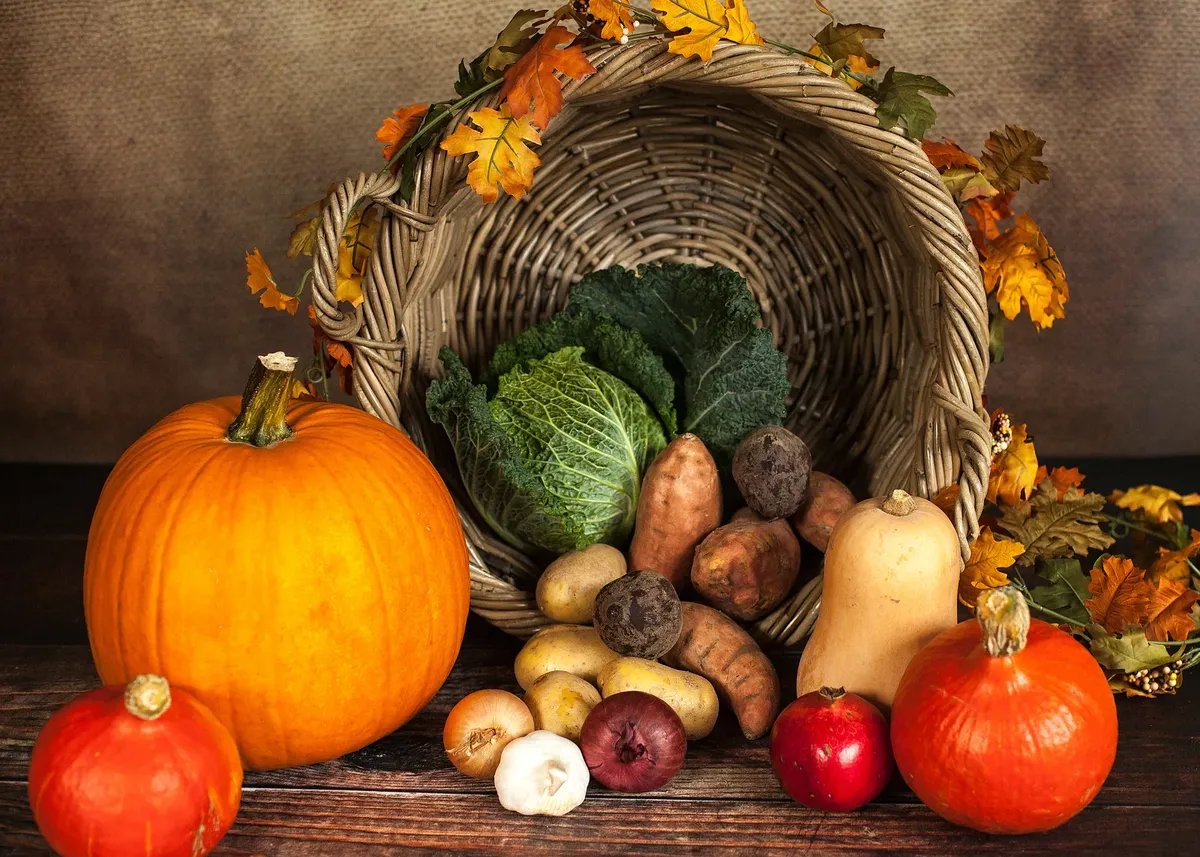
- Prepare the vegetables by cleaning and slicing them.
- Mix the vegetables with salt to draw out moisture.
- Pack the mixture tightly into a clean jar.
In this sequence, the second step is the longest.
How do salt levels affect fermentation?
A scientist examines a jar of fermenting vegetables, checking the salinity and temperature. Maintaining the correct environment is essential for successful microbial growth.
The ideal salt concentration during fermentation is about 3%. However, during different stages, microorganisms might require different conditions; for instance, they may prefer to be kept at low temperatures of about 10 °C, a pH of 4.2-4, and in the presence of 1.5% – 4% NaCl.
These specific conditions allow anaerobic microorganisms to increase in number during the middle stages of fermentation.
What is the role of fiber in a fall diet?
A person prepares a bowl of breakfast, mixing different grains to reach a specific nutritional goal. Understanding the composition of ingredients helps in managing daily fiber intake.
Integrating high fiber fall foods into a routine can help manage satiety. Fall vitamins minerals are often found in more complex carbohydrates that provide steady energy. A balanced approach using protein fat carb fall combinations ensures a complete nutritional profile.
All-Bran Buds is similar to natural wheat bran with added psyllium, featuring a 39% fiber analysis. In contrast, the second highest ingredient in some bran products, after wheat bran, is sugar at 18%.
How much kimchi is typically consumed?
A family sits around a dinner table, sharing a large plate of traditional fermented vegetables. Understanding common consumption patterns provides context for nutritional habits.
Historical data provides insight into traditional eating habits. A 2003 article stated that South Koreans consume 18 kg (40 lbs) of kimchi per person annually. Currently, adult Koreans eat between 50 grams (0.11 lb) and 200 grams (0.44 lb) of kimchi a day.
Which fiber content is higher?
Is 33% fiber or 15% fiber better for a high-fiber diet?
The 33% fiber option is higher, representing 78% of natural wheat bran's 43% content.
How much sugar is in the bran product?
What is the sugar content in the cereal mentioned?
The second highest ingredient, after wheat bran, is sugar at 18%.
While seasonal ingredients provide various benefits, the specific nutritional impact depends on the exact composition of the products chosen.
Considering the Selecting the right ingredients?
Selecting the right ingredients during the transition to cooler weather is a proactive health measure. This conscious choice dictates the nutritional quality of the meals consumed as the seasons change.
The initial selection process sets the stage for a diet that supports the body through seasonal shifts.
The relationship between ingredient composition and fiber content is a critical factor for digestive wellness. Recognizing this relationship allows individuals to consciously manage their fiber intake throughout the day.
This awareness contributes to the overall success of the seasonal dietary shift.
Maintaining the benefits of fermenting?
Maintaining the benefits of fermenting requires adherence to specific environmental controls. The initial preparation dictates the subsequent microbial activity in the jar. These conditions are necessary for the preservation of nutrients found in the vegetables.
The anaerobic microorganisms thrive when the salt concentration is maintained within a certain range. This controlled environment allows the beneficial bacteria to flourish and contribute to the food's unique profile.
Proper management of the jar's contents ensures the fermentation process remains beneficial.
How does the initial ingredient selection influence the final product?
The initial ingredient selection dictates the microbial environment for the vegetables. This early stage sets the stage for the subsequent anaerobic activity. Selecting the right ingredients ensures that the desired beneficial microorganisms have a substrate to thrive upon.
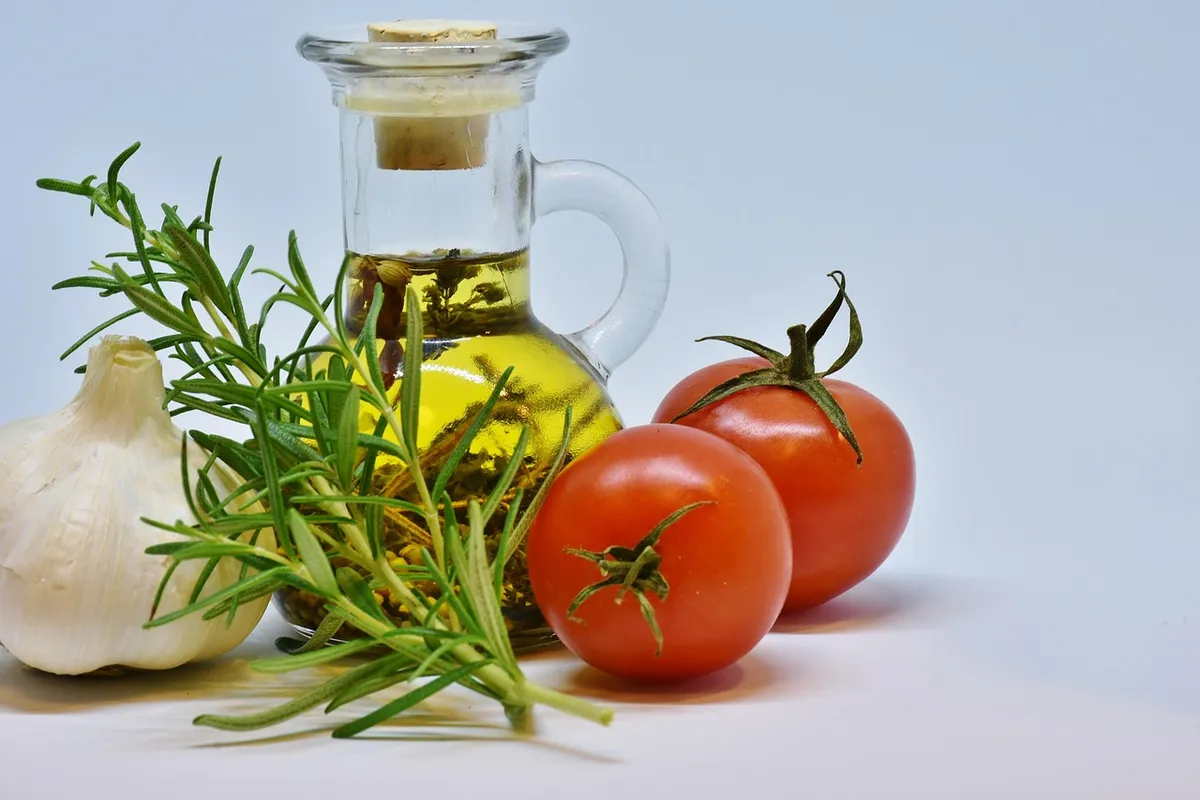
The relationship between ingredient composition and fiber content is established during this initial phase. If the base vegetables lack certain components, the final fermented product may not achieve its full nutritional potential.
Therefore, the initial choices carry significant weight for the outcome.
What cautions should be observed when selecting the right ingredients?
Selecting the right ingredients requires attention to the base material's inherent qualities. The quality of the starting material affects the entire fermentation trajectory. This initial assessment is crucial for successful preservation and microbial development.
The fiber content of the chosen grains must be considered alongside the vegetable base. A mismatch in composition might lead to suboptimal fermentation conditions. Therefore, the initial selection must align with the desired end-product profile.
Related



Comments 0